
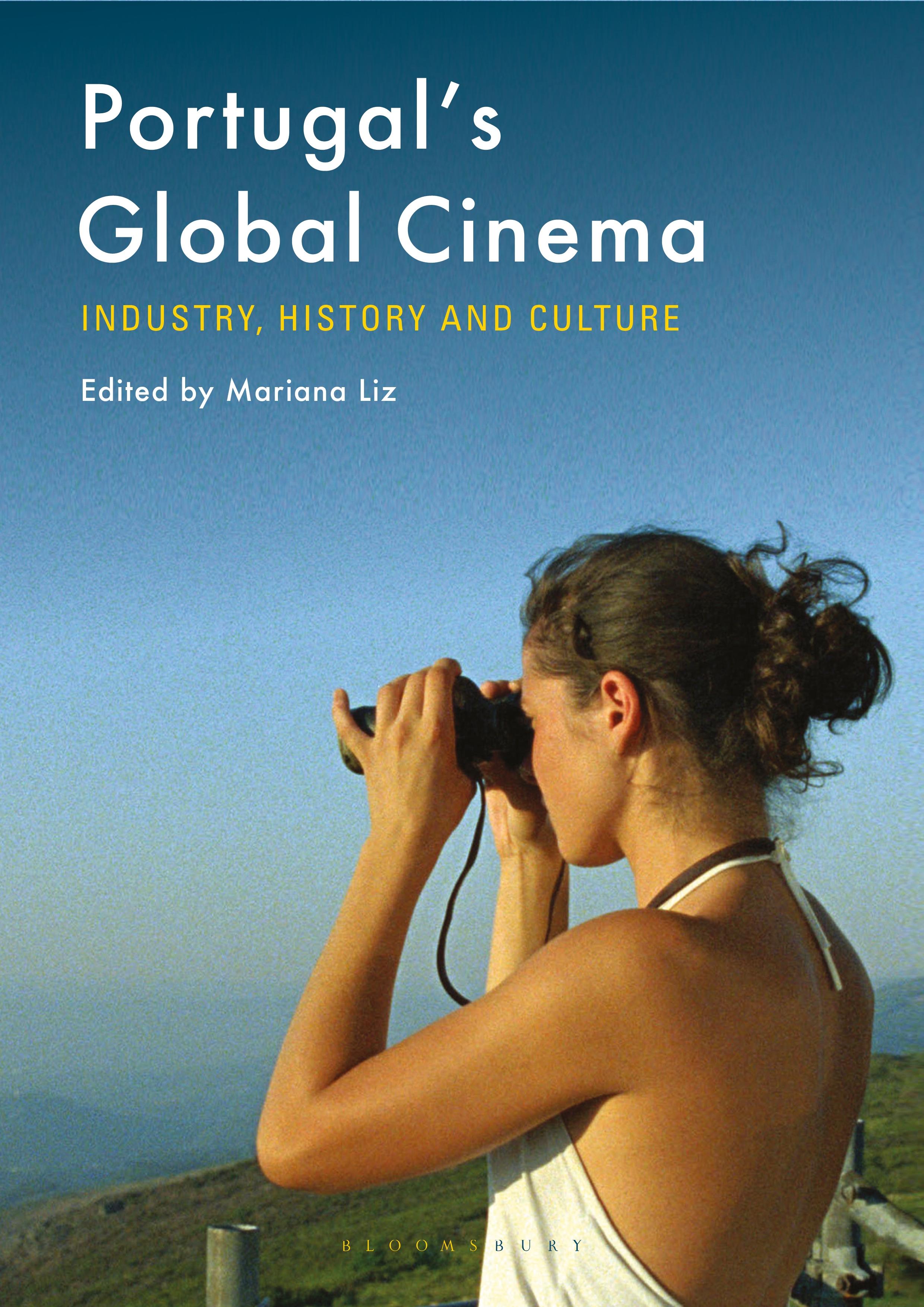
Portuguese cinema has become increasingly prominent on the international film festival circuit, proving the country's size belies its cultural impact. From the prestige of directors Manoel de Oliveira, Pedro Costa and Miguel Gomes, to box-office hit La Cage Doree, aspects of Portuguese national cinema are widely visible although the output is comparatively small compared to European players like the UK, Germany and France. Considering this strange discrepancy prompts the question: how can Portuguese cinema be characterised and thought about in a global context?
Accumulating expertise from an international group of scholars, this book investigates the shifting significance of the nation, Europe and the globe for the way in which Portuguese film is managed on the international stage. Chapters argue that film industry professionals and artisans must navigate complex globalised systems that inform their filmmaking decisions. Expectations from multi-cultural audiences, as well as demands from business investors and the criteria for critical accolades put pressure on Portuguese cinema to negotiate, for example, how far to retain national identities on screen and how to interact with `popular' and `art' film tropes and labels. Exploring themes typical of Portuguese visual culture - including social exclusion and unemployment, issues of realism and authenticity, and addressing Portugal's postcolonial status - this book is a valuable study of interest to the ever-growing number of scholars looking outside the usual canons of European cinema, and those researching the ongoing implications of national cinema's global networks.
Accumulating expertise from an international group of scholars, this book investigates the shifting significance of the nation, Europe and the globe for the way in which Portuguese film is managed on the international stage. Chapters argue that film industry professionals and artisans must navigate complex globalised systems that inform their filmmaking decisions. Expectations from multi-cultural audiences, as well as demands from business investors and the criteria for critical accolades put pressure on Portuguese cinema to negotiate, for example, how far to retain national identities on screen and how to interact with `popular' and `art' film tropes and labels. Exploring themes typical of Portuguese visual culture - including social exclusion and unemployment, issues of realism and authenticity, and addressing Portugal's postcolonial status - this book is a valuable study of interest to the ever-growing number of scholars looking outside the usual canons of European cinema, and those researching the ongoing implications of national cinema's global networks.
Maksa helposti kortilla, Klarnalla, Apple Paylla tai Google Paylla. Etkö ole tyytyväinen? Sinulla on aina 14 päivän palautusoikeus. Lue lisää ehdoistamme. Jos sinulla on kysyttävää, lähetä meille sähköpostia osoitteeseen hello@memmo.org.
Memmo tekee opiskelusta helpompaa – missä päin maailmaa ikinä oletkin. Meillä yhdistät kurssikirjat ja fiksut opiskelutyökalut yhteen paikkaan: tiivistelmät, visat, podcastit ja muistikortit. Ja sitten Ted, opiskelukaverisi, joka vastaa kaikkeen, mitä ikinä mietitkin. Yli 50 000 opiskelijaa opiskelee jo täällä – rakennettu auttamaan sinua oppimaan nopeammin ja stressaamaan vähemmän.