
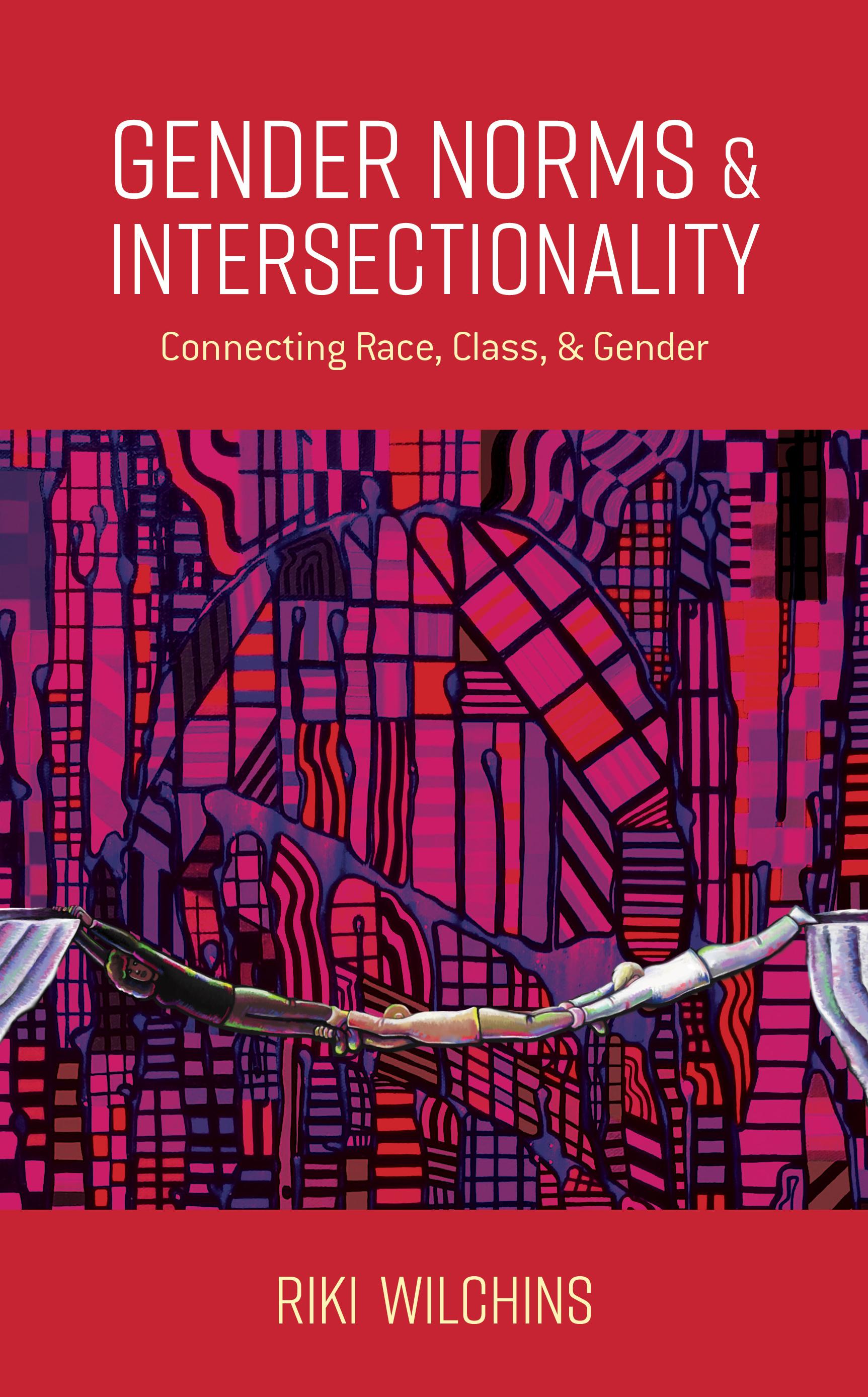
There have been few, if any, attempts to translate the immense library of academic studies on gender norms for a lay audience, or to illustrate practical ways in which their insights could (and should) be applied. Similarly, there have been few attempts to build the case for gender in diverse fields like health, education, and economic security within a single book, one which also uses an intersectional lens to address issues of race and class. This book not only looks at the impact of rigid gender norms on young people who internalize them, but also shows how the health, educational, and criminal justice systems with which young people interact are also highly gendered systems that relentlessly police and sustain very narrow ideas of masculinity and femininity, particularly among youth.
Current treatments of a “gender lens” or “gender analysis” both at home and abroad usually conflate gender with women and/or trans. Gender Norms and Intersectionality shows conclusively how this is both inadequate and wrong-headed. It documents why gender norms must be moved to the center of the discourses aimed at improving life outcomes for at-risk communities. And it does so while acknowledging the insights of queer theorists about bodies, power, and difference.
This book provides a starting point for a long overdue movement to elevate “applied gender studies,” providing both a reference and guide for researchers, students, policymakers, funders, non-profit leaders, and grassroots advocates. It aims to transform readers’ view of a broad array of familiar social problems, such as basic wellness and reproductive health; education; economic security; and partner, male-on-male, and school violence—showing how gender norms are an integral if overlooked key to understanding each.
Current treatments of a “gender lens” or “gender analysis” both at home and abroad usually conflate gender with women and/or trans. Gender Norms and Intersectionality shows conclusively how this is both inadequate and wrong-headed. It documents why gender norms must be moved to the center of the discourses aimed at improving life outcomes for at-risk communities. And it does so while acknowledging the insights of queer theorists about bodies, power, and difference.
This book provides a starting point for a long overdue movement to elevate “applied gender studies,” providing both a reference and guide for researchers, students, policymakers, funders, non-profit leaders, and grassroots advocates. It aims to transform readers’ view of a broad array of familiar social problems, such as basic wellness and reproductive health; education; economic security; and partner, male-on-male, and school violence—showing how gender norms are an integral if overlooked key to understanding each.
Maksa helposti kortilla, Klarnalla, Apple Paylla tai Google Paylla. Etkö ole tyytyväinen? Sinulla on aina 14 päivän palautusoikeus. Lue lisää ehdoistamme. Jos sinulla on kysyttävää, lähetä meille sähköpostia osoitteeseen hello@memmo.org.
Memmo tekee opiskelusta helpompaa – missä päin maailmaa ikinä oletkin. Meillä yhdistät kurssikirjat ja fiksut opiskelutyökalut yhteen paikkaan: tiivistelmät, visat, podcastit ja muistikortit. Ja sitten Ted, opiskelukaverisi, joka vastaa kaikkeen, mitä ikinä mietitkin. Yli 50 000 opiskelijaa opiskelee jo täällä – rakennettu auttamaan sinua oppimaan nopeammin ja stressaamaan vähemmän.