
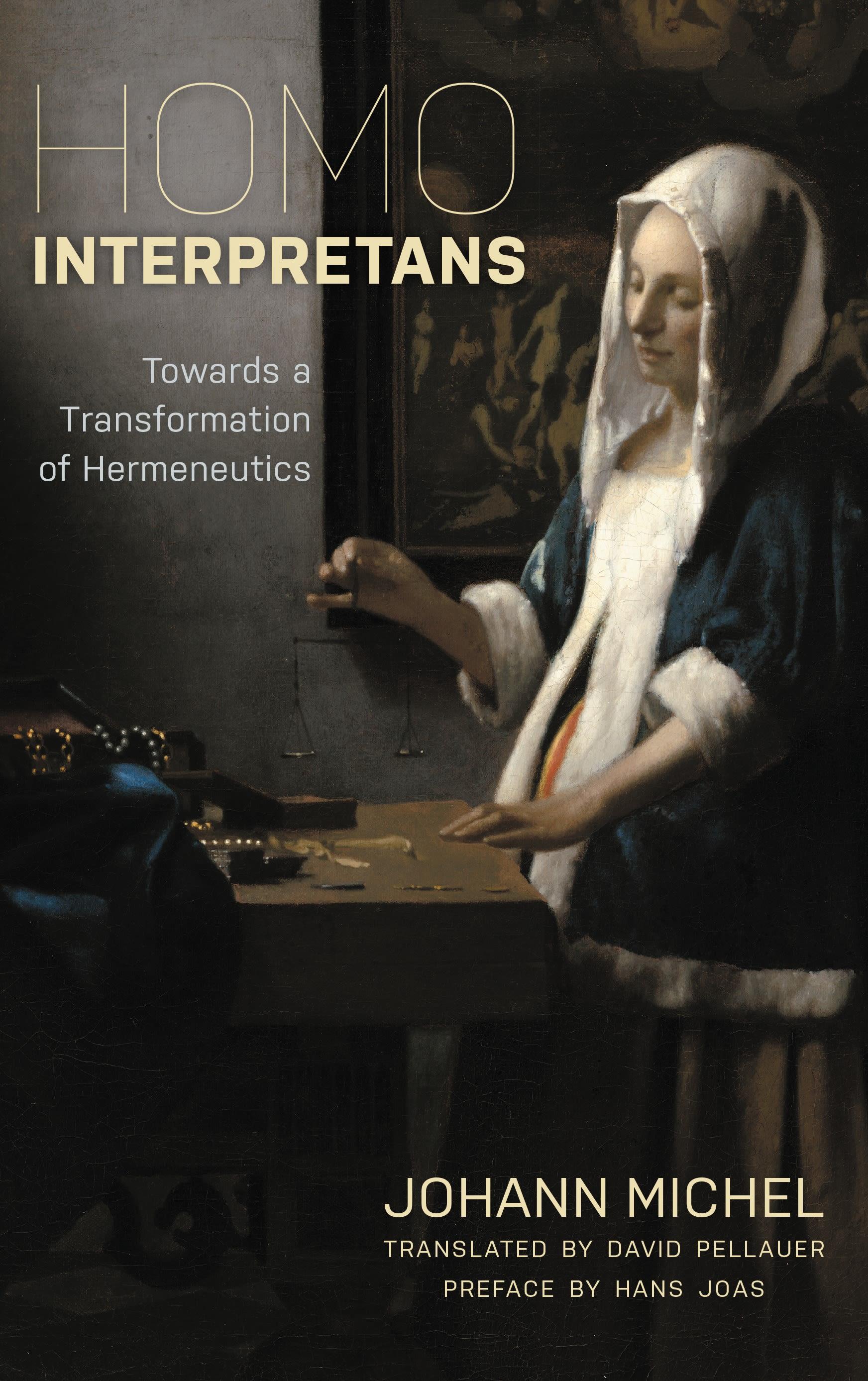
When do we interpret? That is the question at the heart of this important new work by Johann Michel. The human being does not spend his time interpreting in everyday life. We interpret when we are confronted with a blurred, confused, problematic sense. Such is the originality of the author's perspective which removes the anthropological interdict that has hampered hermeneutics since Heidegger. Michel proposes an anthropology of homo interpretans as the first and founding principle of fundamental ontology (relating to the meaning of being) as well as of the theory of knowledge (relating to interpretation in the human sciences). He argues that the root of hermeneutics lies in ordinary interpretative techniques (explication, clarification, unveiling), rather than as a set of learned technologies applied to specific fields (texts, symbols, actions).
Maksa helposti kortilla, Klarnalla, Apple Paylla tai Google Paylla. Etkö ole tyytyväinen? Sinulla on aina 14 päivän palautusoikeus. Lue lisää ehdoistamme. Jos sinulla on kysyttävää, lähetä meille sähköpostia osoitteeseen hello@memmo.org.
Memmo tekee opiskelusta helpompaa – missä päin maailmaa ikinä oletkin. Meillä yhdistät kurssikirjat ja fiksut opiskelutyökalut yhteen paikkaan: tiivistelmät, visat, podcastit ja muistikortit. Ja sitten Ted, opiskelukaverisi, joka vastaa kaikkeen, mitä ikinä mietitkin. Yli 50 000 opiskelijaa opiskelee jo täällä – rakennettu auttamaan sinua oppimaan nopeammin ja stressaamaan vähemmän.