
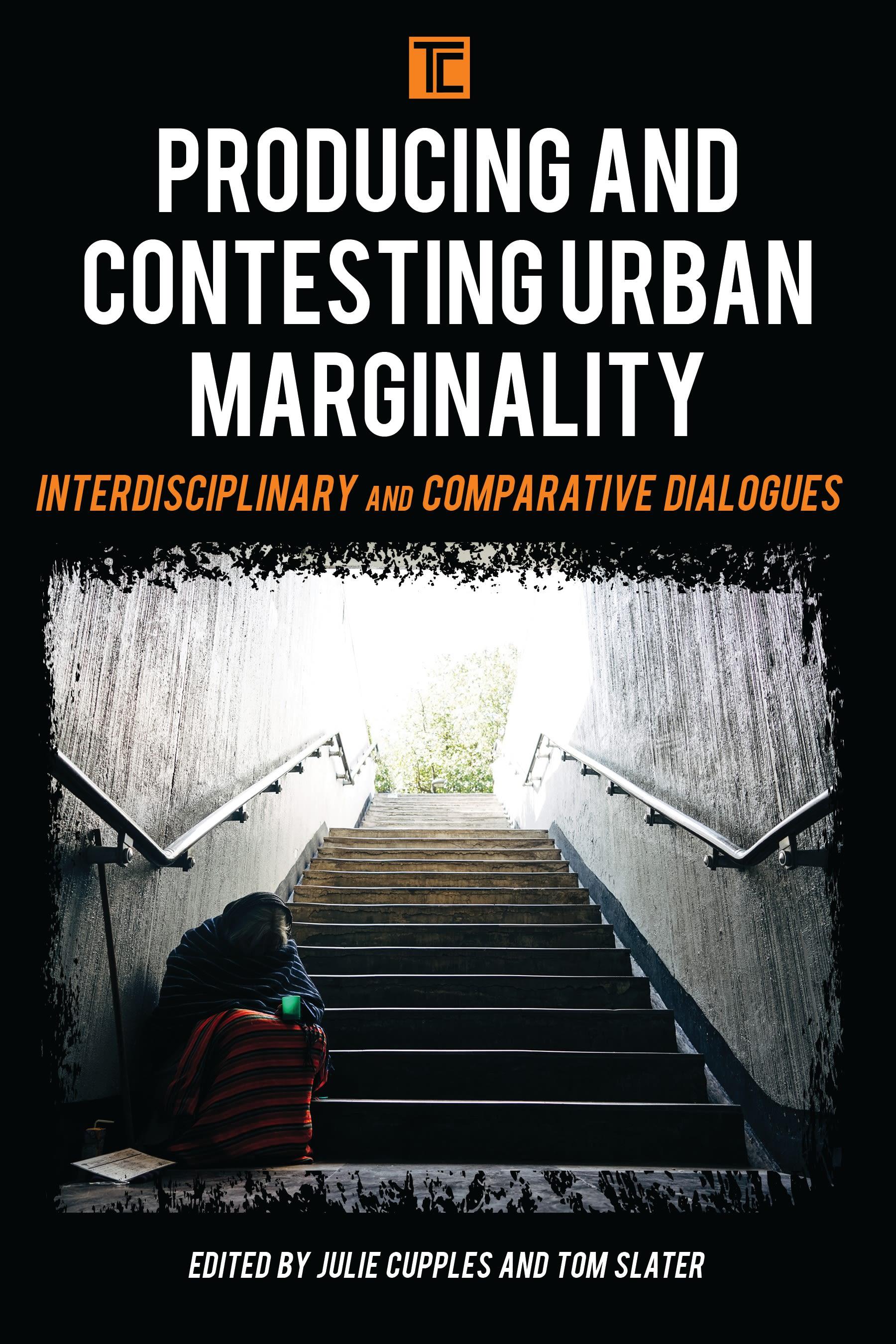
In Mexico City, as in many other large cities worldwide, contemporary modes of urban governance have overwhelmingly benefited affluent populations and widened social inequalities. Disinvestment from social housing and rent-seeking developments by real estate companies and land speculators have resulted in the displacement of low-income populations to the urban periphery. Public social spaces have been eliminated to make way for luxury apartments and business interests. Low-income neighbourhoods are often stigmatized by dominant social forces to justify their demolition.
The urban poor have however negotiated and resisted these developments in a range of ways. This text explores these urban dynamics in Mexico City and beyond, looking at the material and symbolic mechanisms through which urban marginality is produced and contested. It seeks to understand how things might be otherwise, how the city might be geared towards more inclusive forms of belonging and citizenship.
The urban poor have however negotiated and resisted these developments in a range of ways. This text explores these urban dynamics in Mexico City and beyond, looking at the material and symbolic mechanisms through which urban marginality is produced and contested. It seeks to understand how things might be otherwise, how the city might be geared towards more inclusive forms of belonging and citizenship.
Maksa helposti kortilla, Klarnalla, Apple Paylla tai Google Paylla. Etkö ole tyytyväinen? Sinulla on aina 14 päivän palautusoikeus. Lue lisää ehdoistamme. Jos sinulla on kysyttävää, lähetä meille sähköpostia osoitteeseen hello@memmo.org.
Memmo tekee opiskelusta helpompaa – missä päin maailmaa ikinä oletkin. Meillä yhdistät kurssikirjat ja fiksut opiskelutyökalut yhteen paikkaan: tiivistelmät, visat, podcastit ja muistikortit. Ja sitten Ted, opiskelukaverisi, joka vastaa kaikkeen, mitä ikinä mietitkin. Yli 50 000 opiskelijaa opiskelee jo täällä – rakennettu auttamaan sinua oppimaan nopeammin ja stressaamaan vähemmän.