
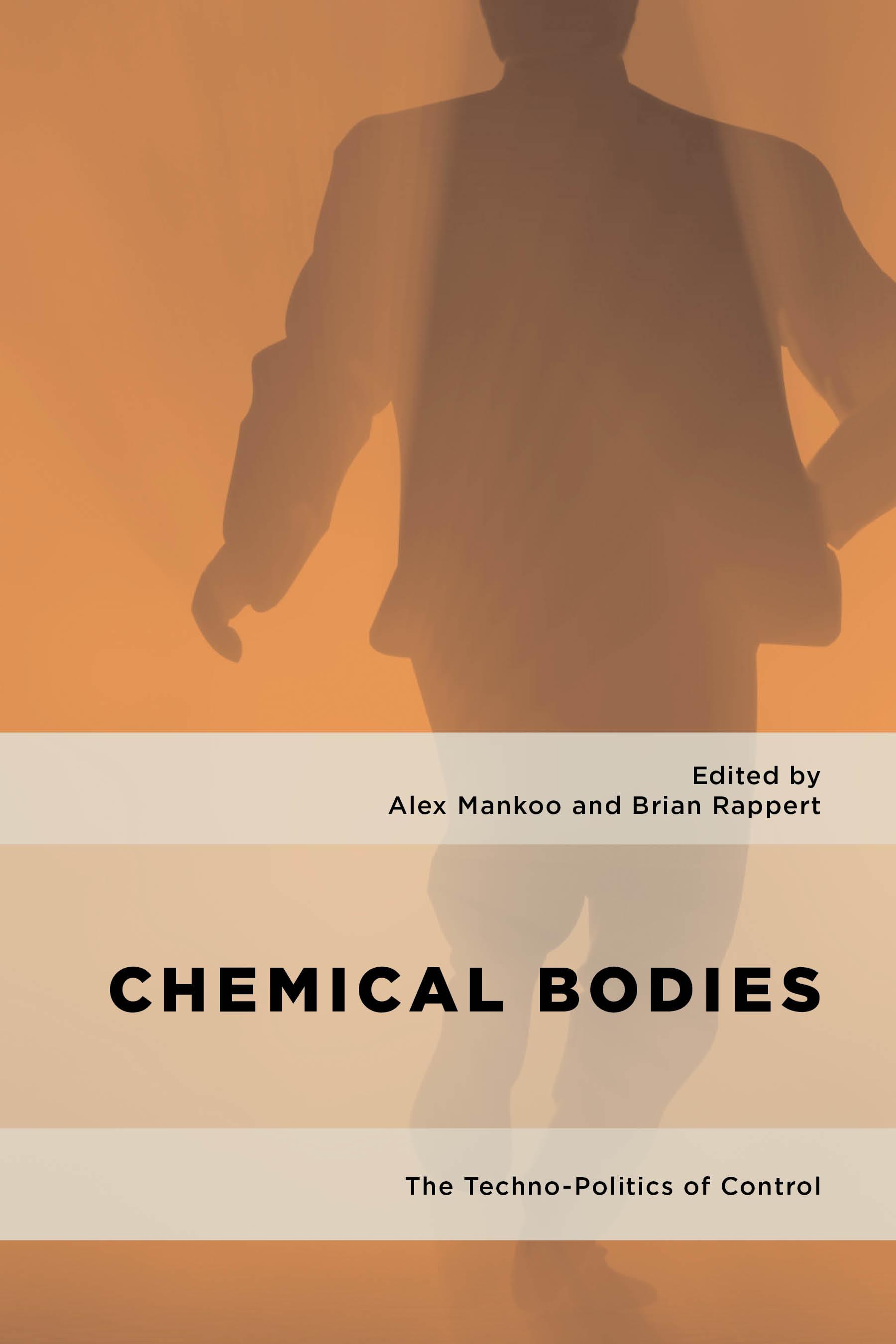
In warfare, civil unrest, and political protest, chemicals have served as means of coercion, suppression, and manipulation. This book examines how chemical agents have been justified, utilised and resisted as means of control. Through attending to how, when, and for whom bodies become rendered as sites of intervention, Chemical Bodies demonstrates the inter-relations between geopolitical transformations and the technological, spatial and social components of local events.
The chapters draw out some of the insidious ways in which chemical technologies are damaging, and re-open discussion regarding their justification, role and regulation. In doing so the contributors illustrate how certain instances of force gain prominence (or fade into obscurity), how some individuals speak and others get spoken for, how definitions of what counts as ‘success’ and ‘failure’ are advanced, and how the rights and wrongs of violence are contested.
The chapters draw out some of the insidious ways in which chemical technologies are damaging, and re-open discussion regarding their justification, role and regulation. In doing so the contributors illustrate how certain instances of force gain prominence (or fade into obscurity), how some individuals speak and others get spoken for, how definitions of what counts as ‘success’ and ‘failure’ are advanced, and how the rights and wrongs of violence are contested.
Maksa helposti kortilla, Klarnalla, Apple Paylla tai Google Paylla. Etkö ole tyytyväinen? Sinulla on aina 14 päivän palautusoikeus. Lue lisää ehdoistamme. Jos sinulla on kysyttävää, lähetä meille sähköpostia osoitteeseen hello@memmo.org.
Memmo tekee opiskelusta helpompaa – missä päin maailmaa ikinä oletkin. Meillä yhdistät kurssikirjat ja fiksut opiskelutyökalut yhteen paikkaan: tiivistelmät, visat, podcastit ja muistikortit. Ja sitten Ted, opiskelukaverisi, joka vastaa kaikkeen, mitä ikinä mietitkin. Yli 50 000 opiskelijaa opiskelee jo täällä – rakennettu auttamaan sinua oppimaan nopeammin ja stressaamaan vähemmän.