
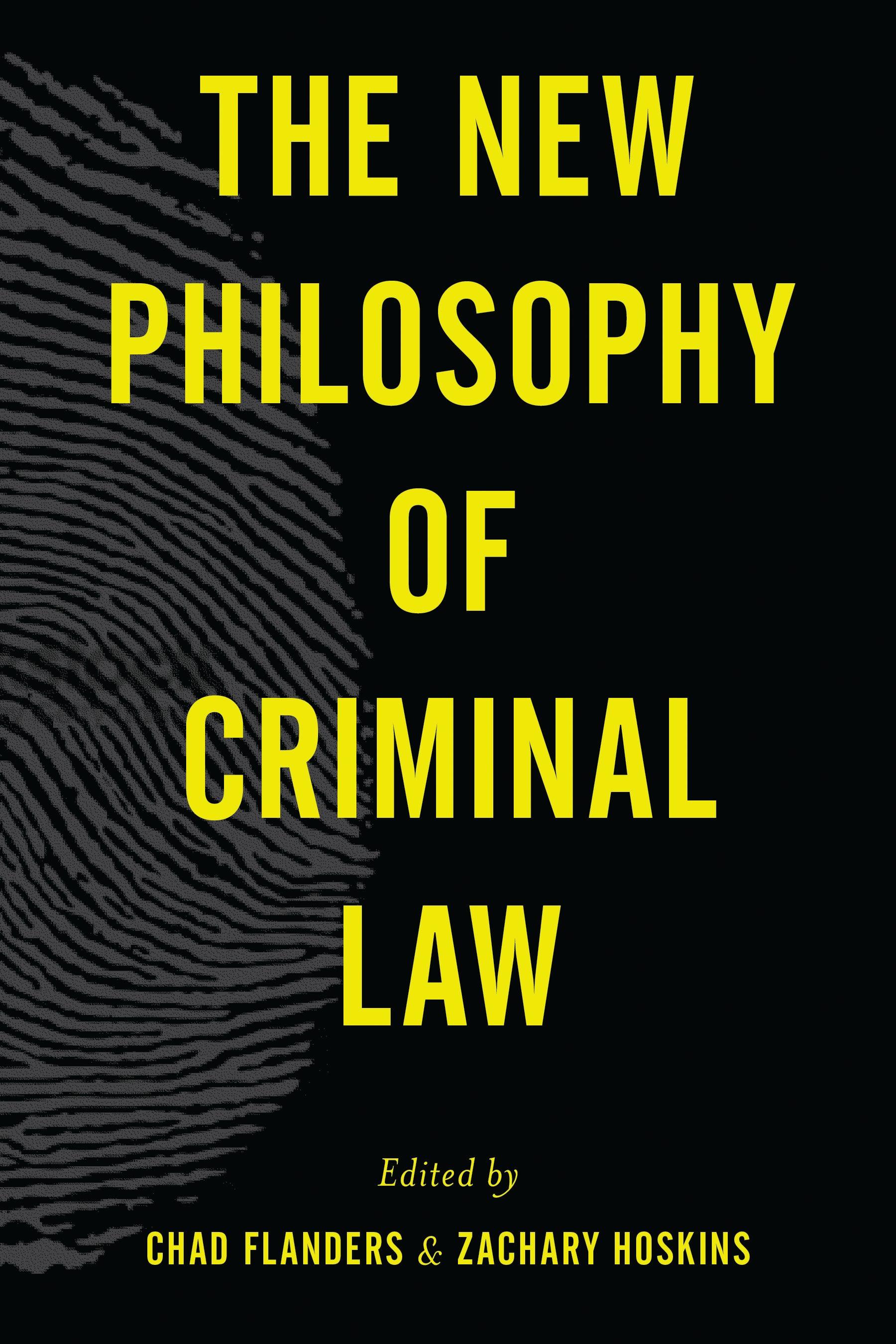
There is no more vivid example of a state’s power over its citizens than the criminal law. By criminalizing various behaviours, the state sets boundaries on what we can and cannot do. And the criminal law is in many ways unique in the harshness of its sanctions. But traditional criminal law theory has for too long focussed on the questions, “what is a crime?” and “what is the justification of punishment?” The significance of the criminal law extends beyond these questions; indeed, critical philosophical questions underlie all aspects of the criminal justice system. The criminal law engages us not just as offenders or potential offenders, but also as victims, suspects, judges and jurors, prosecutors and defenders—and as citizens.
The authors in this volume go beyond traditional questions to challenge our conventional understandings of the criminal law. In doing so, they draw from a number of disciplines including philosophy, history, and social science.
The authors in this volume go beyond traditional questions to challenge our conventional understandings of the criminal law. In doing so, they draw from a number of disciplines including philosophy, history, and social science.
Maksa helposti kortilla, Klarnalla, Apple Paylla tai Google Paylla. Etkö ole tyytyväinen? Sinulla on aina 14 päivän palautusoikeus. Lue lisää ehdoistamme. Jos sinulla on kysyttävää, lähetä meille sähköpostia osoitteeseen hello@memmo.org.
Memmo tekee opiskelusta helpompaa – missä päin maailmaa ikinä oletkin. Meillä yhdistät kurssikirjat ja fiksut opiskelutyökalut yhteen paikkaan: tiivistelmät, visat, podcastit ja muistikortit. Ja sitten Ted, opiskelukaverisi, joka vastaa kaikkeen, mitä ikinä mietitkin. Yli 50 000 opiskelijaa opiskelee jo täällä – rakennettu auttamaan sinua oppimaan nopeammin ja stressaamaan vähemmän.