
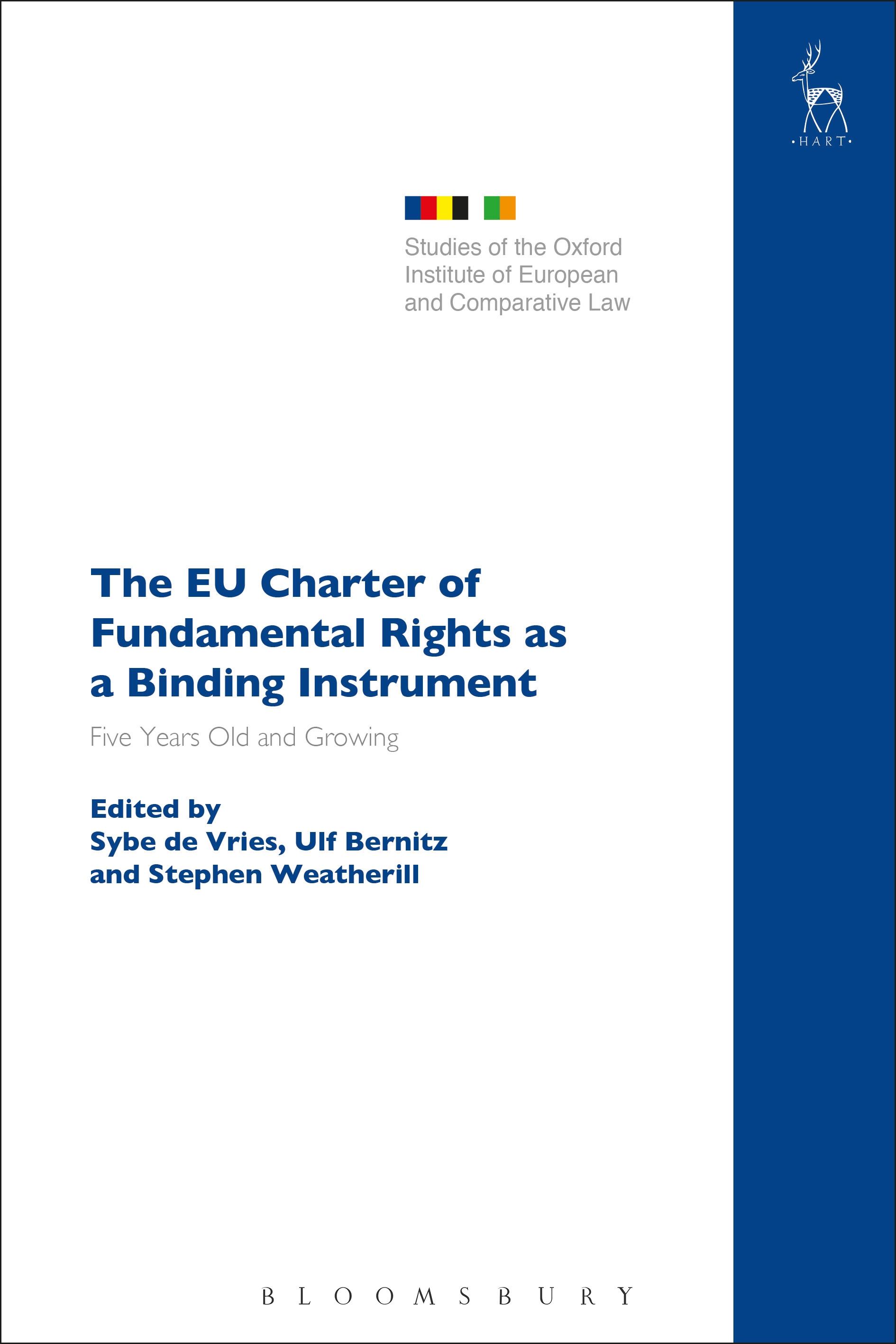
The entry into force of the Treaty of Lisbon in 2009 caused the EU's Charter of Fundamental Rights to be granted binding effect. This raised a host of intriguing questions. Would this transform the EU's commitment to fundamental rights? Should it transform that commitment? How, if at all, can we balance competing rights and principles? (The interaction of the social and the economic spheres offers a particular challenge). How deeply does the EU conception of fundamental rights reach into and bind national law and practice? How deeply does it affect private parties? How much flexibility has been left to the Court in making these interpretative choices? What is the likely effect of another of the reforms achieved by the Lisbon Treaty, the commitment of the EU to accede to the ECHR? This book addresses all of these questions in the light of five years of practice under the Charter as a binding instrument.
Maksa helposti kortilla, Klarnalla, Apple Paylla tai Google Paylla. Etkö ole tyytyväinen? Sinulla on aina 14 päivän palautusoikeus. Lue lisää ehdoistamme. Jos sinulla on kysyttävää, lähetä meille sähköpostia osoitteeseen hello@memmo.org.
Memmo tekee opiskelusta helpompaa – missä päin maailmaa ikinä oletkin. Meillä yhdistät kurssikirjat ja fiksut opiskelutyökalut yhteen paikkaan: tiivistelmät, visat, podcastit ja muistikortit. Ja sitten Ted, opiskelukaverisi, joka vastaa kaikkeen, mitä ikinä mietitkin. Yli 50 000 opiskelijaa opiskelee jo täällä – rakennettu auttamaan sinua oppimaan nopeammin ja stressaamaan vähemmän.