
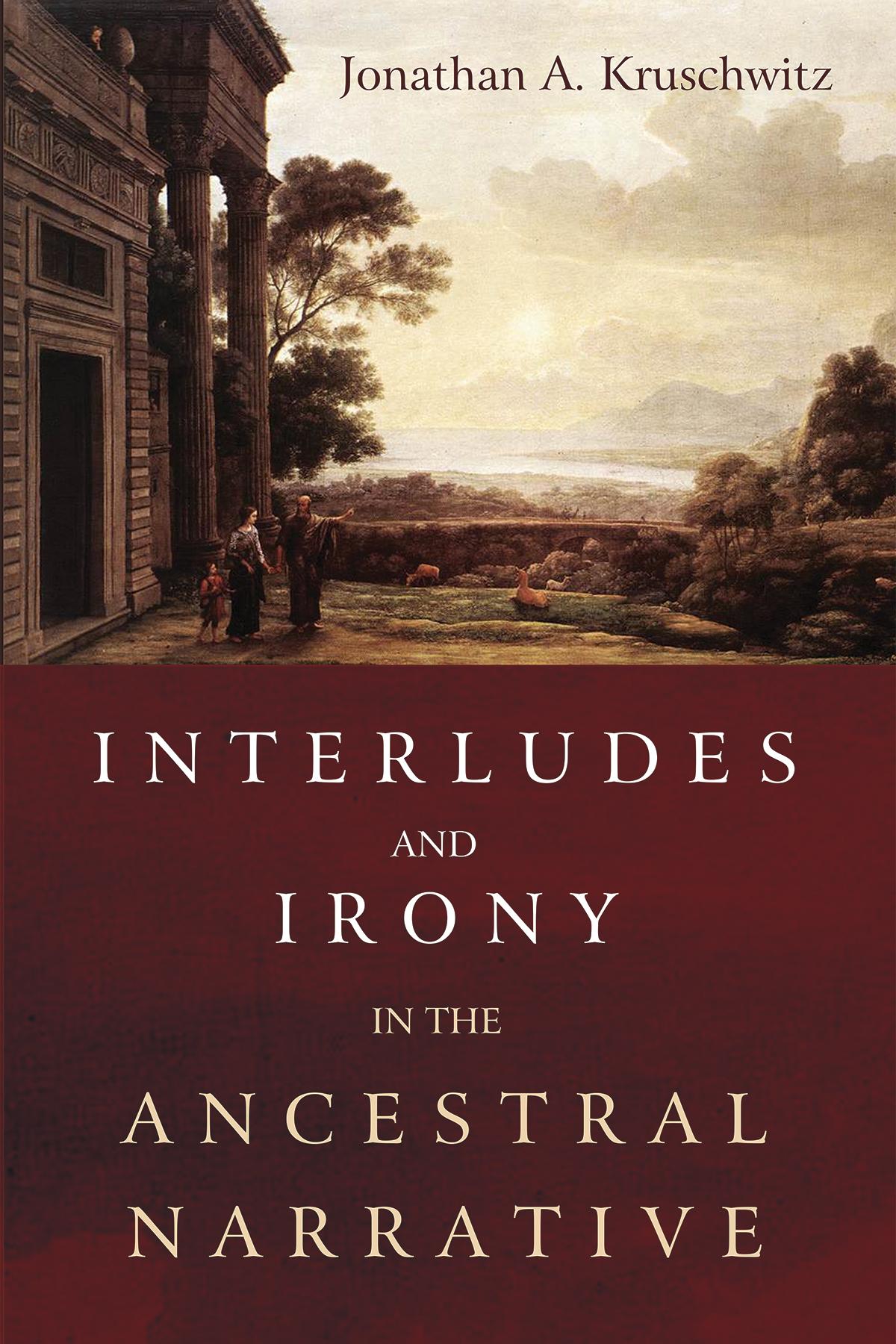
The stories of Hagar, Dinah, and Tamar stand out as strangers in the ancestral narrative. They deviate from the main plot and draw attention to the interests and fates of characters who are not a part of the ancestral family. Readers have traditionally domesticated these strange stories. They have made them "familiar"--all about the ancestral family. Thus Hagar's story becomes a drama of deselection, Shechem and the Hivites become emblematic for ancestral conflict with the people of the land, and Tamar becomes a lens by which to read providence in the story of Joseph.
This study resurrects the question of these stories' strangeness. Rather than allow the ancestral narrative to determine their significance, it attends to each interlude's particularity and detects ironic gestures made toward the ancestral narrative. These stories contain within them the potential to defamiliarize key themes of ancestral identity: the ancestral-divine relationship, ancestral relations to the land and its inhabitants, and ancestral self-identity. Perhaps the ancestral family are not the only privileged partners of God, the only heirs to the land, or the only bloodline fit to bear the next generation.
Maksa helposti kortilla, Klarnalla, Apple Paylla tai Google Paylla. Etkö ole tyytyväinen? Sinulla on aina 14 päivän palautusoikeus. Lue lisää ehdoistamme. Jos sinulla on kysyttävää, lähetä meille sähköpostia osoitteeseen hello@memmo.org.
Memmo tekee opiskelusta helpompaa – missä päin maailmaa ikinä oletkin. Meillä yhdistät kurssikirjat ja fiksut opiskelutyökalut yhteen paikkaan: tiivistelmät, visat, podcastit ja muistikortit. Ja sitten Ted, opiskelukaverisi, joka vastaa kaikkeen, mitä ikinä mietitkin. Yli 50 000 opiskelijaa opiskelee jo täällä – rakennettu auttamaan sinua oppimaan nopeammin ja stressaamaan vähemmän.
Saatat pitää myös näistä
Osta kirja0