
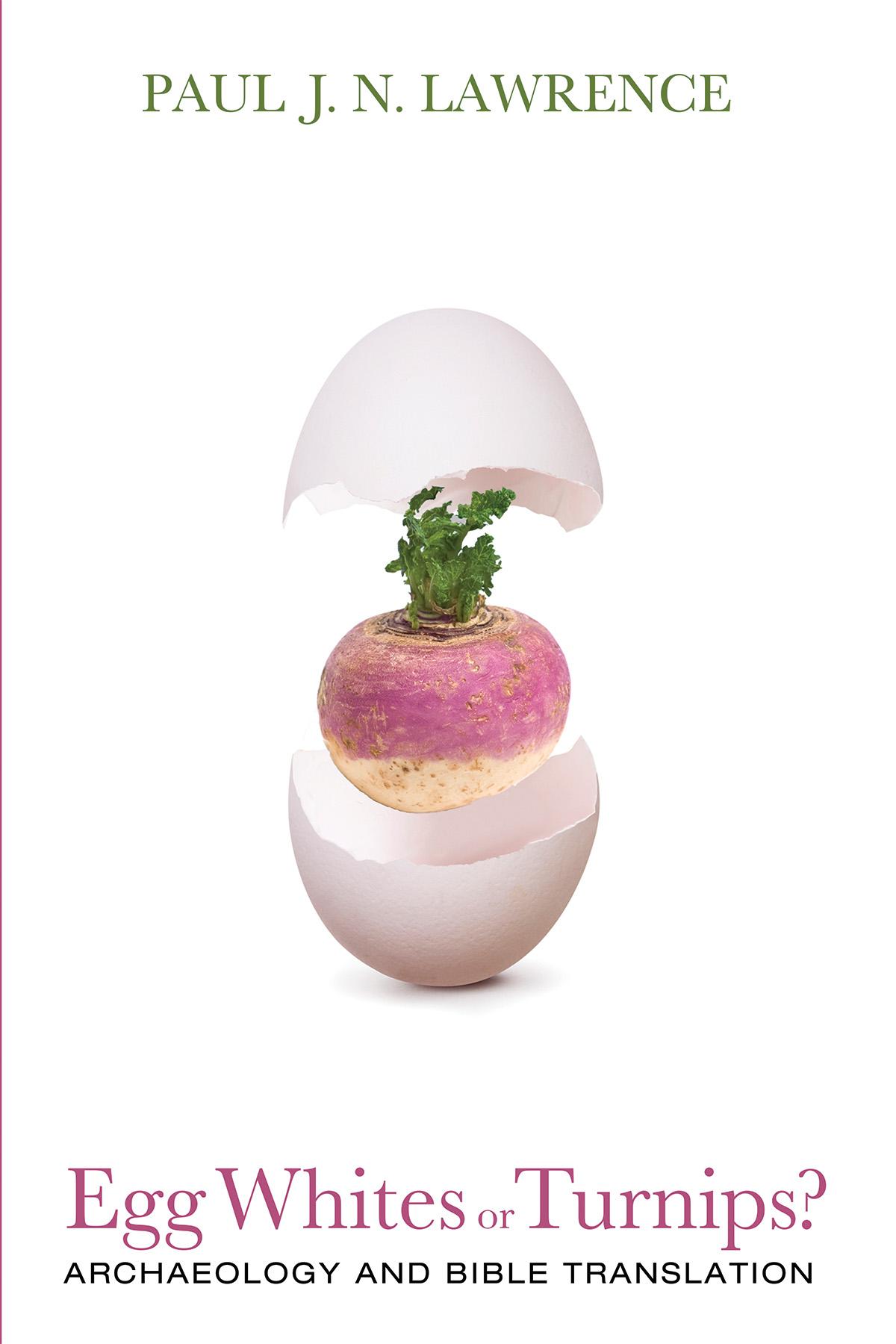
Why are Bible translations so different from each other in places? Don't Bible translators know whether it was peacocks or baboons that King Solomon brought into Israel? Why has "sapphire" been replaced by "lapis lazuli" in some more modern versions? What animal provided the leather for the tabernacle? A badger? A sea cow? Or did the term in question simply mean "leather"?
Can archaeology tell us what David's harp looked like? What is the evidence for leprosy in Bible times? Is there evidence for cotton, silk, and chickens at the time of the Bible?
Answers to these and many other questions are given in this book.
But how are such questions to be answered? Essentially the answer is "from the ground"--what can be called "archaeology." This book explores how, over the past two centuries, archaeology has shed its light on the text of the Bible.
Maksa helposti kortilla, Klarnalla, Apple Paylla tai Google Paylla. Etkö ole tyytyväinen? Sinulla on aina 14 päivän palautusoikeus. Lue lisää ehdoistamme. Jos sinulla on kysyttävää, lähetä meille sähköpostia osoitteeseen hello@memmo.org.
Memmo tekee opiskelusta helpompaa – missä päin maailmaa ikinä oletkin. Meillä yhdistät kurssikirjat ja fiksut opiskelutyökalut yhteen paikkaan: tiivistelmät, visat, podcastit ja muistikortit. Ja sitten Ted, opiskelukaverisi, joka vastaa kaikkeen, mitä ikinä mietitkin. Yli 50 000 opiskelijaa opiskelee jo täällä – rakennettu auttamaan sinua oppimaan nopeammin ja stressaamaan vähemmän.
Saatat pitää myös näistä
Osta kirja0