
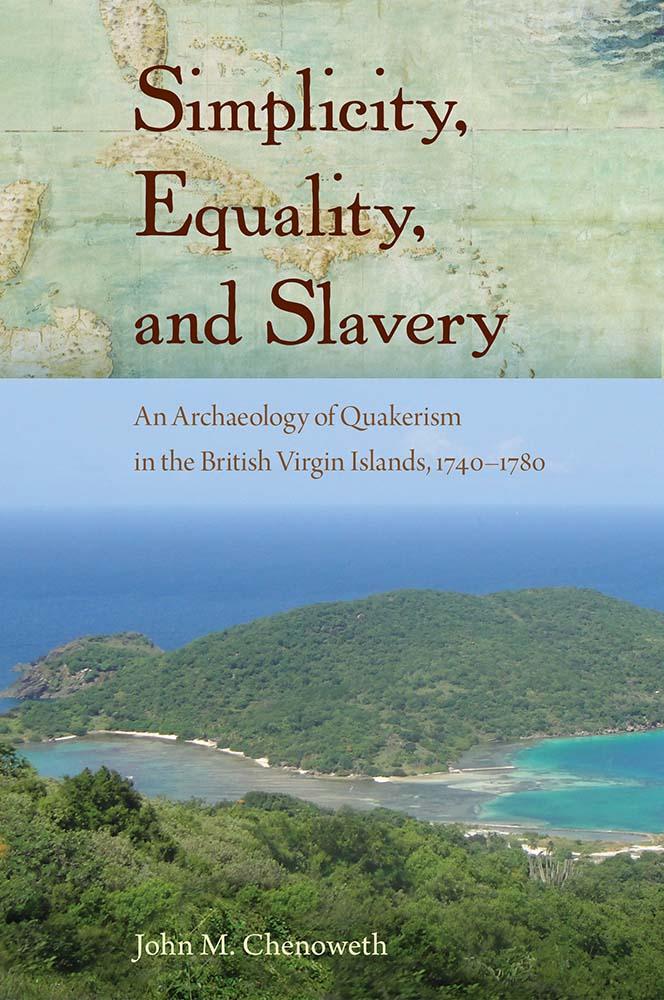
Inspired by the Quaker ideals of simplicity, equality, and peace, a group of white planters formed a community in the British Virgin Islands during the eighteenth century. Yet they lived in a slave society, and nearly all their members held enslaved people. In this book, John Chenoweth examines how the community navigated the contradictions of Quakerism and plantation ownership.
Using archaeological and archival information, Chenoweth reveals how a web of connections led to the community's establishment, how Quaker religious practices intersected with other aspects of daily life in the Caribbean, and how these practices were altered to fit a slavery-based economy and society. He also examines how dissent and schism eventually brought about the end of the community after just one generation. This is a fascinating study of the ways religious ideals can be interpreted in everyday practice to adapt to different local contexts.
A volume in the Florida Museum of Natural History: Ripley P. Bullen SeriesMaksa helposti kortilla, Klarnalla, Apple Paylla tai Google Paylla. Etkö ole tyytyväinen? Sinulla on aina 14 päivän palautusoikeus. Lue lisää ehdoistamme. Jos sinulla on kysyttävää, lähetä meille sähköpostia osoitteeseen hello@memmo.org.
Memmo tekee opiskelusta helpompaa – missä päin maailmaa ikinä oletkin. Meillä yhdistät kurssikirjat ja fiksut opiskelutyökalut yhteen paikkaan: tiivistelmät, visat, podcastit ja muistikortit. Ja sitten Ted, opiskelukaverisi, joka vastaa kaikkeen, mitä ikinä mietitkin. Yli 50 000 opiskelijaa opiskelee jo täällä – rakennettu auttamaan sinua oppimaan nopeammin ja stressaamaan vähemmän.