
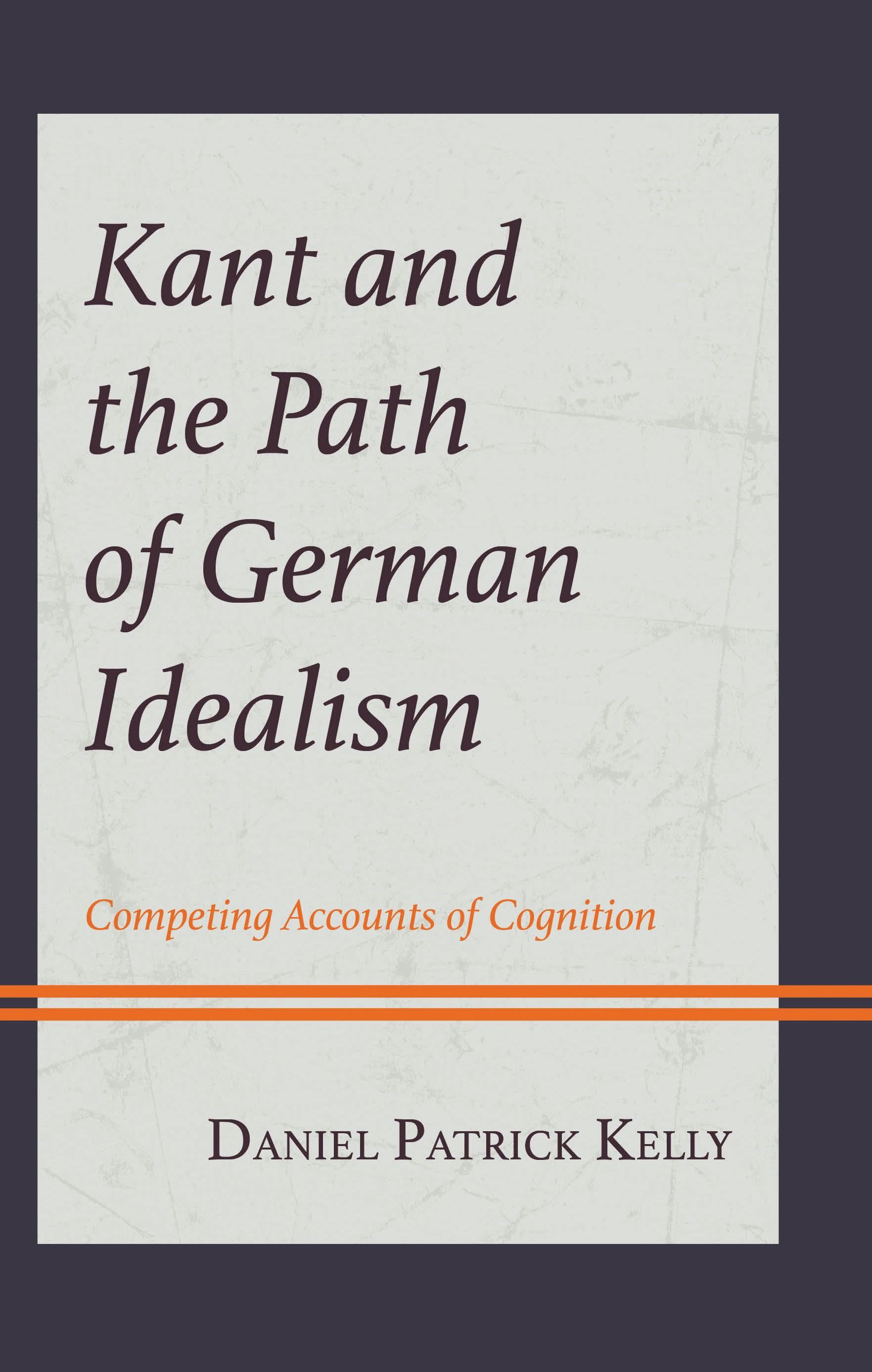
Kant's critical philosophy emerged within a philosophical landscape ripe for change, and it provided an unprecedented blueprint for how to scientifically, ethically, and spiritually reconcile subjective experience within the unique realities of modernity. Nevertheless, Kant's critical system encountered numerous challenges along its path toward influence. Drawing upon key texts from the Golden Age of philosophical scholarship from Kant to Hegel, Kant and the Path of German Idealism illuminates the trajectory of Kant's critical foundation as it was initially received, developed, and ostensibly usurped. What emerges from Daniel Patrick Kelly's reading of this philosophical period is the fundamental centrality of Kant's discursive account of cognition. Kelly contends that the early and steady erosion of the Kantian discursive foundation-which is theoretically central to the strength, integrity, and applicability of the Kantian system-was largely due to persistent Neo-Spinozist developments, misunderstandings of Kant's radical ideas, and the inability of Kant himself to sufficiently defend and further explicate his epistemology. This book also examines the revisionist developments of the immanent systems of Kant's German Idealist successors, presenting their systematic efforts as cautionary tales in their coice to reject Kant's epistemic wisdom.
Maksa helposti kortilla, Klarnalla, Apple Paylla tai Google Paylla. Etkö ole tyytyväinen? Sinulla on aina 14 päivän palautusoikeus. Lue lisää ehdoistamme. Jos sinulla on kysyttävää, lähetä meille sähköpostia osoitteeseen hello@memmo.org.
Memmo tekee opiskelusta helpompaa – missä päin maailmaa ikinä oletkin. Meillä yhdistät kurssikirjat ja fiksut opiskelutyökalut yhteen paikkaan: tiivistelmät, visat, podcastit ja muistikortit. Ja sitten Ted, opiskelukaverisi, joka vastaa kaikkeen, mitä ikinä mietitkin. Yli 50 000 opiskelijaa opiskelee jo täällä – rakennettu auttamaan sinua oppimaan nopeammin ja stressaamaan vähemmän.