
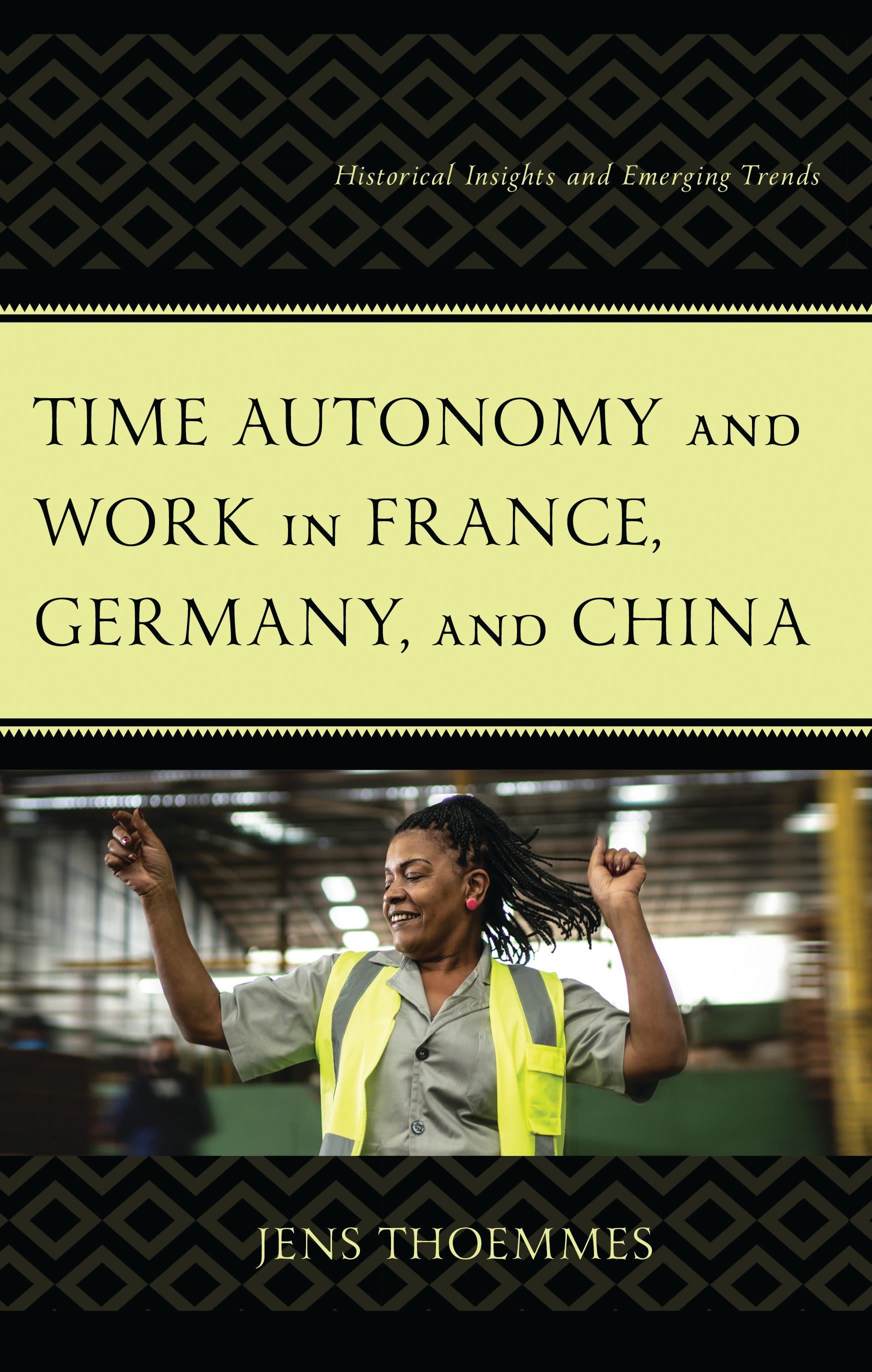
Drawing on case studies from France, Germany, and China, this book argues that the dynamic interactions between time and autonomy have fundamentally reshaped the evolution of work. Jens Thoemmes details how time autonomy transitioned from early efforts to reduce working hours to today’s complex debates about managing work time. Initially focused on reclaiming time from employers during the nineteenth century, time autonomy has broadened to encompass how work integrates into overall social time. Beginning in the late 1960s, new tools like flexitime, time-savings accounts, and telecommuting began aligning employee aspirations with production demands, marking a shift towards more flexible work arrangements. Placing work environments from France, Germany, and China in comparative perspective, this book explores the way time autonomy varies in different workplaces and socioeconomic contexts as well as the conditions, opportunities, and risks involved.
Maksa helposti kortilla, Klarnalla, Apple Paylla tai Google Paylla. Etkö ole tyytyväinen? Sinulla on aina 14 päivän palautusoikeus. Lue lisää ehdoistamme. Jos sinulla on kysyttävää, lähetä meille sähköpostia osoitteeseen hello@memmo.org.
Memmo tekee opiskelusta helpompaa – missä päin maailmaa ikinä oletkin. Meillä yhdistät kurssikirjat ja fiksut opiskelutyökalut yhteen paikkaan: tiivistelmät, visat, podcastit ja muistikortit. Ja sitten Ted, opiskelukaverisi, joka vastaa kaikkeen, mitä ikinä mietitkin. Yli 50 000 opiskelijaa opiskelee jo täällä – rakennettu auttamaan sinua oppimaan nopeammin ja stressaamaan vähemmän.