
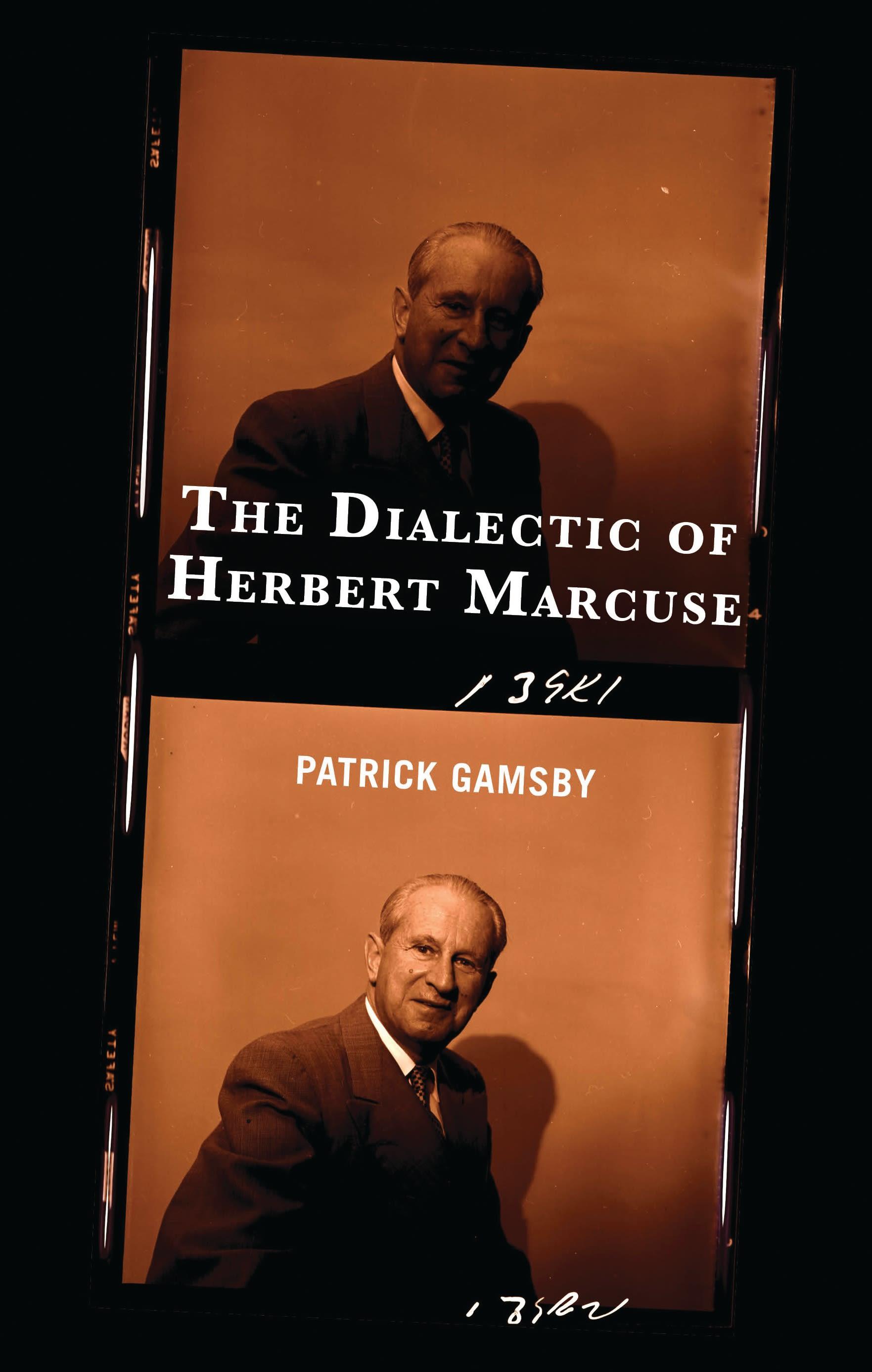
Herbert Marcuse (1898–1979) was one of the most recognizable and controversial public intellectuals throughout the 1960s until his death in the late 1970s, but today Marcuse’s work largely stands in the shadows of other Frankfurt School members and critical thinkers. Despite having once held a prominent and influential position amongst scholars, activists, and readers in the twentieth century, it is argued that Marcuse’s work nevertheless remains largely misunderstood. The Dialectic of Herbert Marcuse offers a new interpretation of Marcuse, one that attempts to show how Marcuse’s work has so often been turned into something else—into its opposite. In shining a light on parts of the unknown Marcuse, through the use of archival material and published works, this book reveals Marcuse’s Critical Theory to be one of hope, not one of pessimism, as it is so often portrayed to be. Ultimately, it is argued that Marcuse’s Critical Theory remains a vital and important body of work for present-day society and ought to be revisited.
Maksa helposti kortilla, Klarnalla, Apple Paylla tai Google Paylla. Etkö ole tyytyväinen? Sinulla on aina 14 päivän palautusoikeus. Lue lisää ehdoistamme. Jos sinulla on kysyttävää, lähetä meille sähköpostia osoitteeseen hello@memmo.org.
Memmo tekee opiskelusta helpompaa – missä päin maailmaa ikinä oletkin. Meillä yhdistät kurssikirjat ja fiksut opiskelutyökalut yhteen paikkaan: tiivistelmät, visat, podcastit ja muistikortit. Ja sitten Ted, opiskelukaverisi, joka vastaa kaikkeen, mitä ikinä mietitkin. Yli 50 000 opiskelijaa opiskelee jo täällä – rakennettu auttamaan sinua oppimaan nopeammin ja stressaamaan vähemmän.