
A 2023 Choice Reviews Outstanding Academic Title
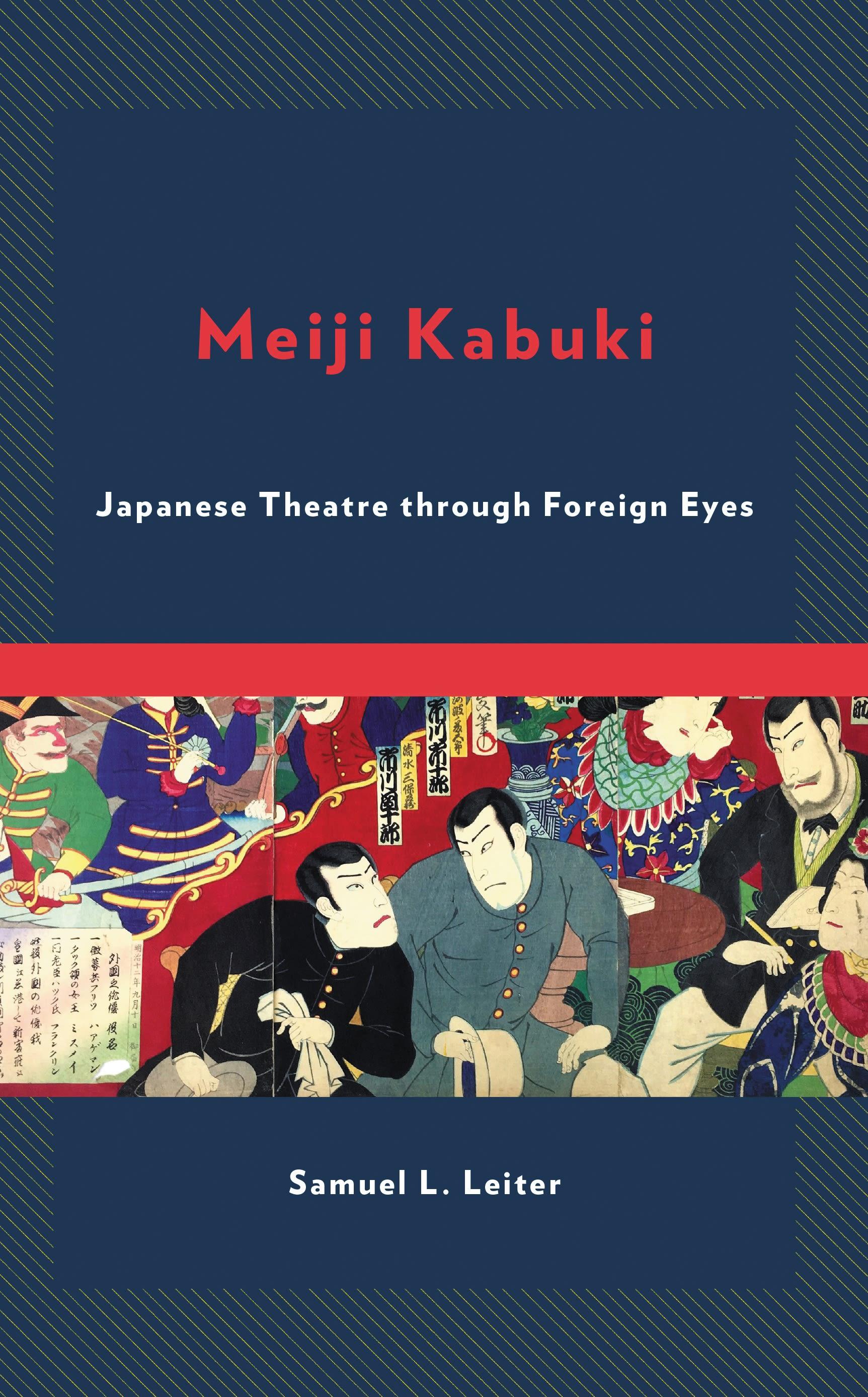
This book is an annotated collection of English-language documents by foreigners writing about Japan’s kabuki theatre in the half-century after the country was opened to the West in 1853. Using memoirs, travelogues, diaries, letters, and reference books, it contains all significant writing about kabuki by foreigners—resident or transient—during the Meiji period (1868–1912), well before the first substantial non-Japanese book on the subject was published. Its chronologically organized chapters contain detailed introductions. Twenty-seven authors, represented by edited versions of their essays, are supplemented by detailed summaries of thirty-five others. The author provides insights into how Western visitors—missionaries, scholars, diplomats, military officers, adventurers, globetrotters, and even a precocious teenage girl—responded to a world-class theatre that, apart from a tiny number of pre-Meiji encounters, had been hidden from the world at large for over two centuries. It reveals prejudices and misunderstandings, but also demonstrates the power of great theatre to bring together people of differing cultural backgrounds despite the barriers of language, artistic convention, and the very practice of theatergoing. And, in Ichikawa Danjuro IX, it presents an actor knowledgeable foreigners considered one of the finest in the world.
This book is an annotated collection of English-language documents by foreigners writing about Japan’s kabuki theatre in the half-century after the country was opened to the West in 1853. Using memoirs, travelogues, diaries, letters, and reference books, it contains all significant writing about kabuki by foreigners—resident or transient—during the Meiji period (1868–1912), well before the first substantial non-Japanese book on the subject was published. Its chronologically organized chapters contain detailed introductions. Twenty-seven authors, represented by edited versions of their essays, are supplemented by detailed summaries of thirty-five others. The author provides insights into how Western visitors—missionaries, scholars, diplomats, military officers, adventurers, globetrotters, and even a precocious teenage girl—responded to a world-class theatre that, apart from a tiny number of pre-Meiji encounters, had been hidden from the world at large for over two centuries. It reveals prejudices and misunderstandings, but also demonstrates the power of great theatre to bring together people of differing cultural backgrounds despite the barriers of language, artistic convention, and the very practice of theatergoing. And, in Ichikawa Danjuro IX, it presents an actor knowledgeable foreigners considered one of the finest in the world.
Maksa helposti kortilla, Klarnalla, Apple Paylla tai Google Paylla. Etkö ole tyytyväinen? Sinulla on aina 14 päivän palautusoikeus. Lue lisää ehdoistamme. Jos sinulla on kysyttävää, lähetä meille sähköpostia osoitteeseen hello@memmo.org.
Memmo tekee opiskelusta helpompaa – missä päin maailmaa ikinä oletkin. Meillä yhdistät kurssikirjat ja fiksut opiskelutyökalut yhteen paikkaan: tiivistelmät, visat, podcastit ja muistikortit. Ja sitten Ted, opiskelukaverisi, joka vastaa kaikkeen, mitä ikinä mietitkin. Yli 50 000 opiskelijaa opiskelee jo täällä – rakennettu auttamaan sinua oppimaan nopeammin ja stressaamaan vähemmän.