
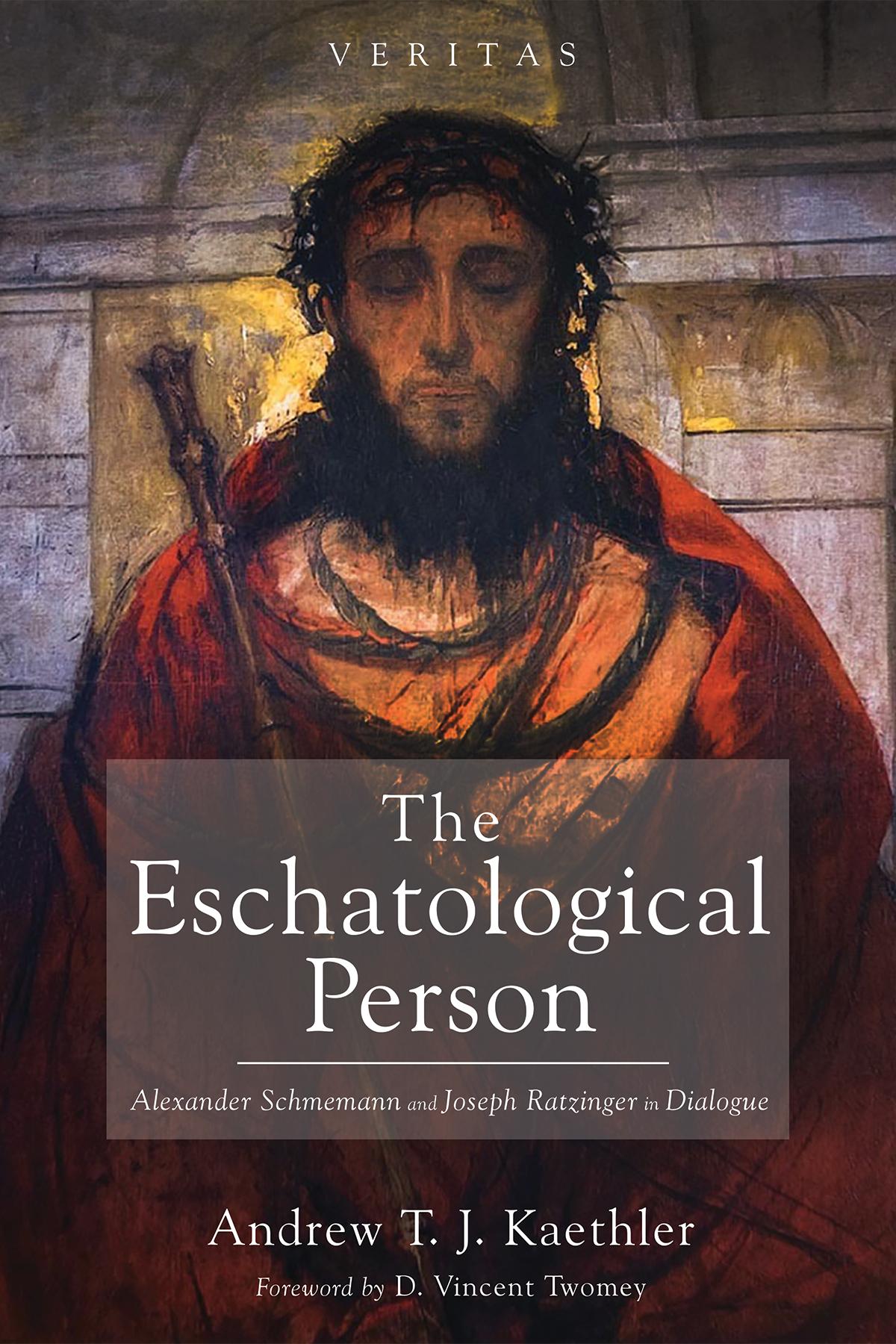
Both Alexander Schmemann and Joseph Ratzinger insist that the human person remains shrouded in mystery without God's self-disclosure in the person of Jesus Christ. Like us, Jesus lived in a particular time and location, and therefore time and temporality must be part of the ontological question of what it means to be a human person. Yet, Jesus, the one who has time for us, ascended to the Father, and the bride of Christ awaits his return, and therefore time and temporality are conditioned by the eschatological. With this in mind, the ontological question of personhood and temporality is a question that concerns eschatology: how does eschatology shape personhood? Bringing together Schmemann and Ratzinger in a theological dialogue for the first time, this book explores their respective approaches and answers to the aforementioned question. While the two theologians share much in common, it is only Ratzinger's relational ontological approach that, by being consistently relational from top to bottom, consistently preserves the meaningfulness of temporal existence.
Maksa helposti kortilla, Klarnalla, Apple Paylla tai Google Paylla. Etkö ole tyytyväinen? Sinulla on aina 14 päivän palautusoikeus. Lue lisää ehdoistamme. Jos sinulla on kysyttävää, lähetä meille sähköpostia osoitteeseen hello@memmo.org.
Memmo tekee opiskelusta helpompaa – missä päin maailmaa ikinä oletkin. Meillä yhdistät kurssikirjat ja fiksut opiskelutyökalut yhteen paikkaan: tiivistelmät, visat, podcastit ja muistikortit. Ja sitten Ted, opiskelukaverisi, joka vastaa kaikkeen, mitä ikinä mietitkin. Yli 50 000 opiskelijaa opiskelee jo täällä – rakennettu auttamaan sinua oppimaan nopeammin ja stressaamaan vähemmän.
Saatat pitää myös näistä
Osta kirja0