
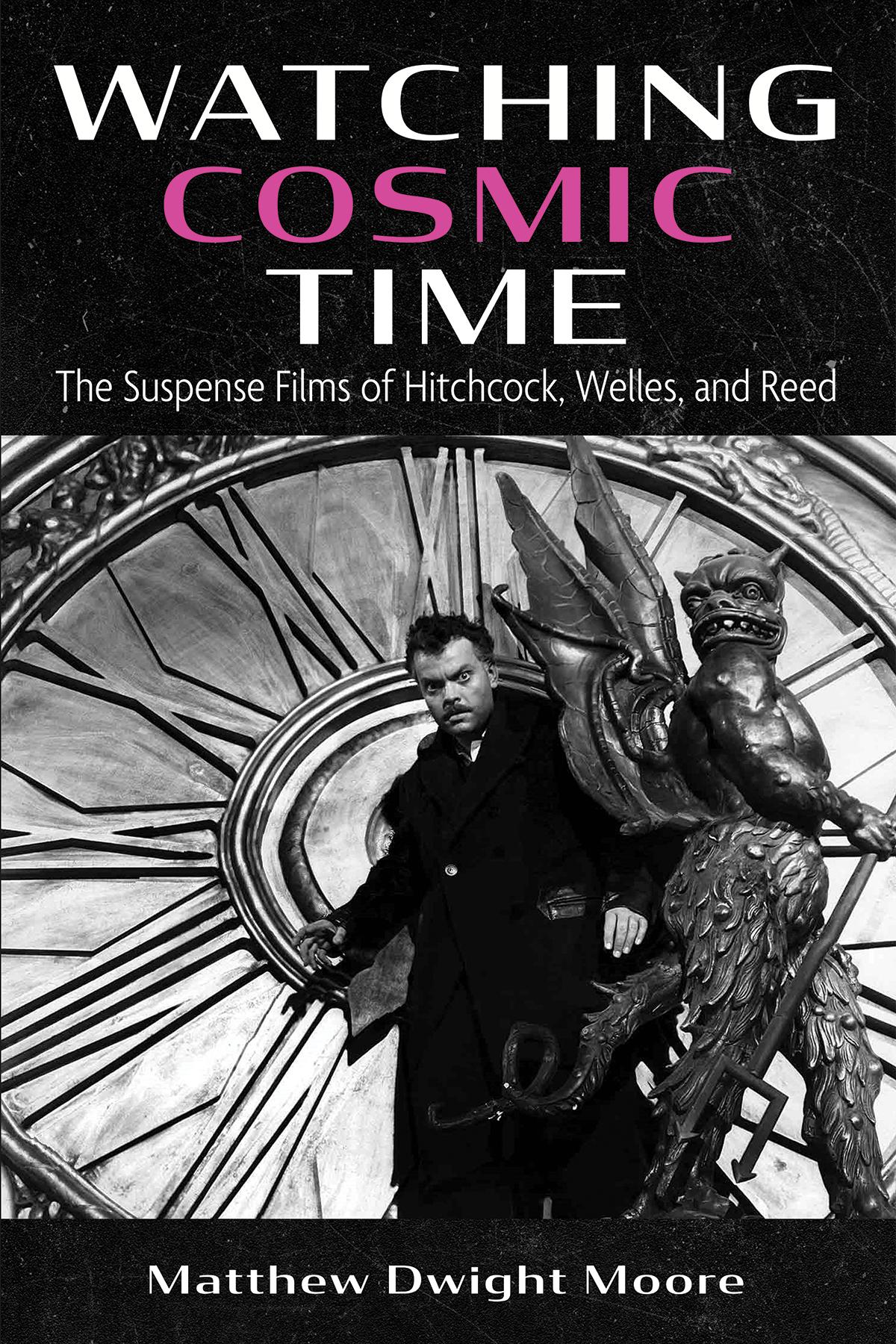
How do the suspense films of Alfred Hitchcock, Orson Welles, and Carol Reed allow us special insight into the popular mentality of their contemporaries--contemporaries who went to war against the forces of Adolf Hitler? How did midcentury films that fetishized clocks and time-keeping devices as diverse as Peter Pan, High Noon, Rear Window, Shadow of a Doubt, The Stranger, and Odd Man Out produce unique experiences that invited audiences to literally watch cosmic time? What role did cinema audiences play in perpetuating the presumption that order exists in the universe--and how have the polyvalent institutions of church and state implicated human agency in such perpetuation? This full-length academic treatment of the topic employs formal film analysis that is situated squarely within historical studies and addresses these cinematic and phenomenological questions--and more.
Maksa helposti kortilla, Klarnalla, Apple Paylla tai Google Paylla. Etkö ole tyytyväinen? Sinulla on aina 14 päivän palautusoikeus. Lue lisää ehdoistamme. Jos sinulla on kysyttävää, lähetä meille sähköpostia osoitteeseen hello@memmo.org.
Memmo tekee opiskelusta helpompaa – missä päin maailmaa ikinä oletkin. Meillä yhdistät kurssikirjat ja fiksut opiskelutyökalut yhteen paikkaan: tiivistelmät, visat, podcastit ja muistikortit. Ja sitten Ted, opiskelukaverisi, joka vastaa kaikkeen, mitä ikinä mietitkin. Yli 50 000 opiskelijaa opiskelee jo täällä – rakennettu auttamaan sinua oppimaan nopeammin ja stressaamaan vähemmän.
Saatat pitää myös näistä
Osta kirja0