
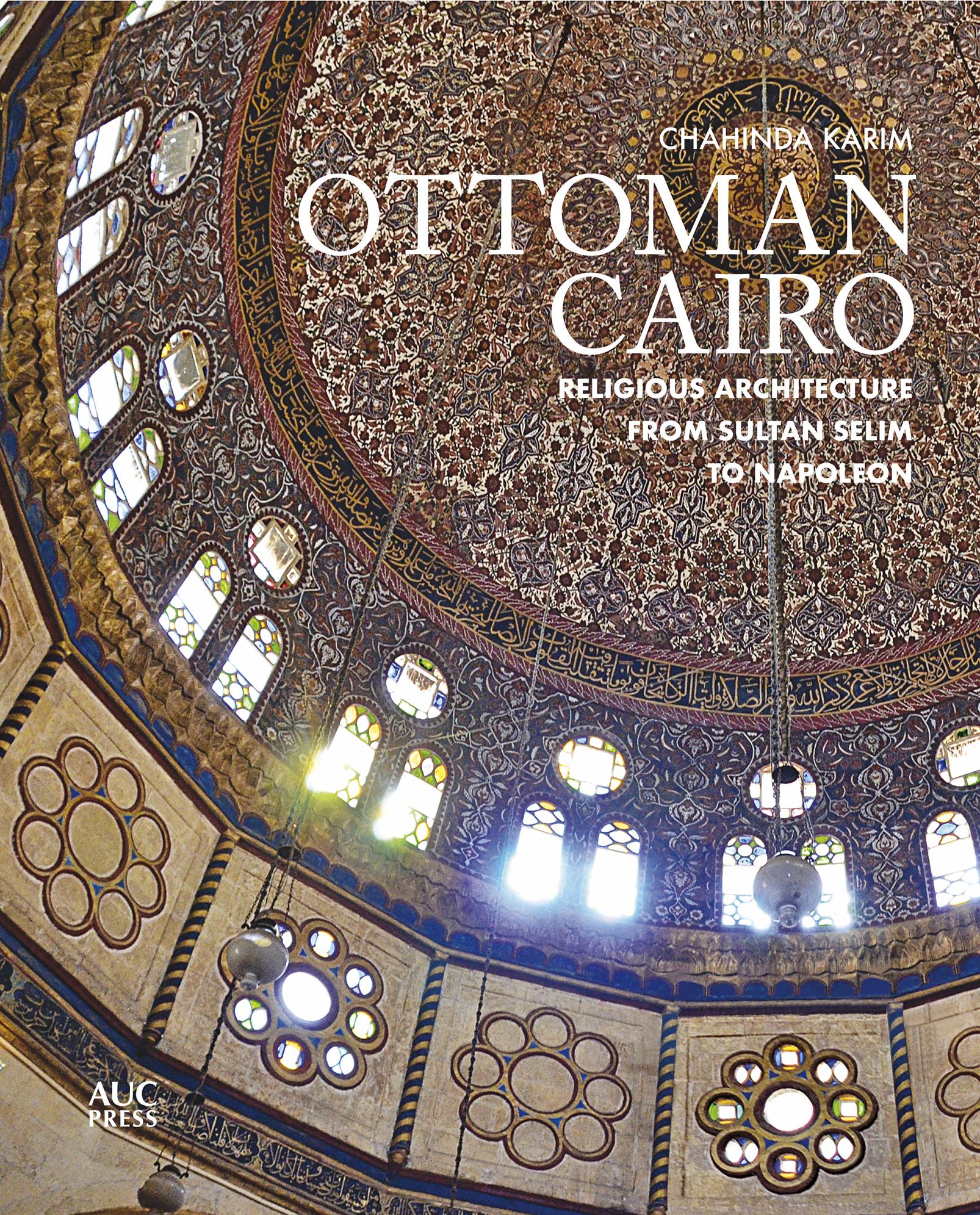
A unique, richly illustrated study of Ottoman religious buildings standing today in Cairo
With the conquest in 1517 CE of Egypt by the Ottomans, Cairo lost its position as the capital of the Islamic empire to Istanbul but it retained an eminent position as the second most important city, with Egypt still regarded as one of the wealthiest provinces of the new empire. Round minarets with pointed hoods, as symbols of the new rulers, began filling the landscape alongside the octagonal minarets with pavilion tops of the Mamluks, new mosques, zawiyas, and madrasas/takiyas were built to emphasize the continuation of Sunni Islamic rule, while the use of tiles imported from Turkey introduced new decorative styles to the city’s existing rich carvings and marble paneling.
This book invites readers and students to revisit a long-overlooked era of Cairo’s architectural evolution, offering a unique, comprehensive study of Ottoman religious buildings still standing today. It provides detailed descriptions and walk-throughs of the buildings covered, visually, through its rich collection of plans, line drawings, and photographs, and through the narrative that infuses each image with life, shedding light on the continuous evolution of architecture in Cairo even after the city had ceased to be the capital of the Islamic empire.
Maksa helposti kortilla, Klarnalla, Apple Paylla tai Google Paylla. Etkö ole tyytyväinen? Sinulla on aina 14 päivän palautusoikeus. Lue lisää ehdoistamme. Jos sinulla on kysyttävää, lähetä meille sähköpostia osoitteeseen hello@memmo.org.
Memmo tekee opiskelusta helpompaa – missä päin maailmaa ikinä oletkin. Meillä yhdistät kurssikirjat ja fiksut opiskelutyökalut yhteen paikkaan: tiivistelmät, visat, podcastit ja muistikortit. Ja sitten Ted, opiskelukaverisi, joka vastaa kaikkeen, mitä ikinä mietitkin. Yli 50 000 opiskelijaa opiskelee jo täällä – rakennettu auttamaan sinua oppimaan nopeammin ja stressaamaan vähemmän.