
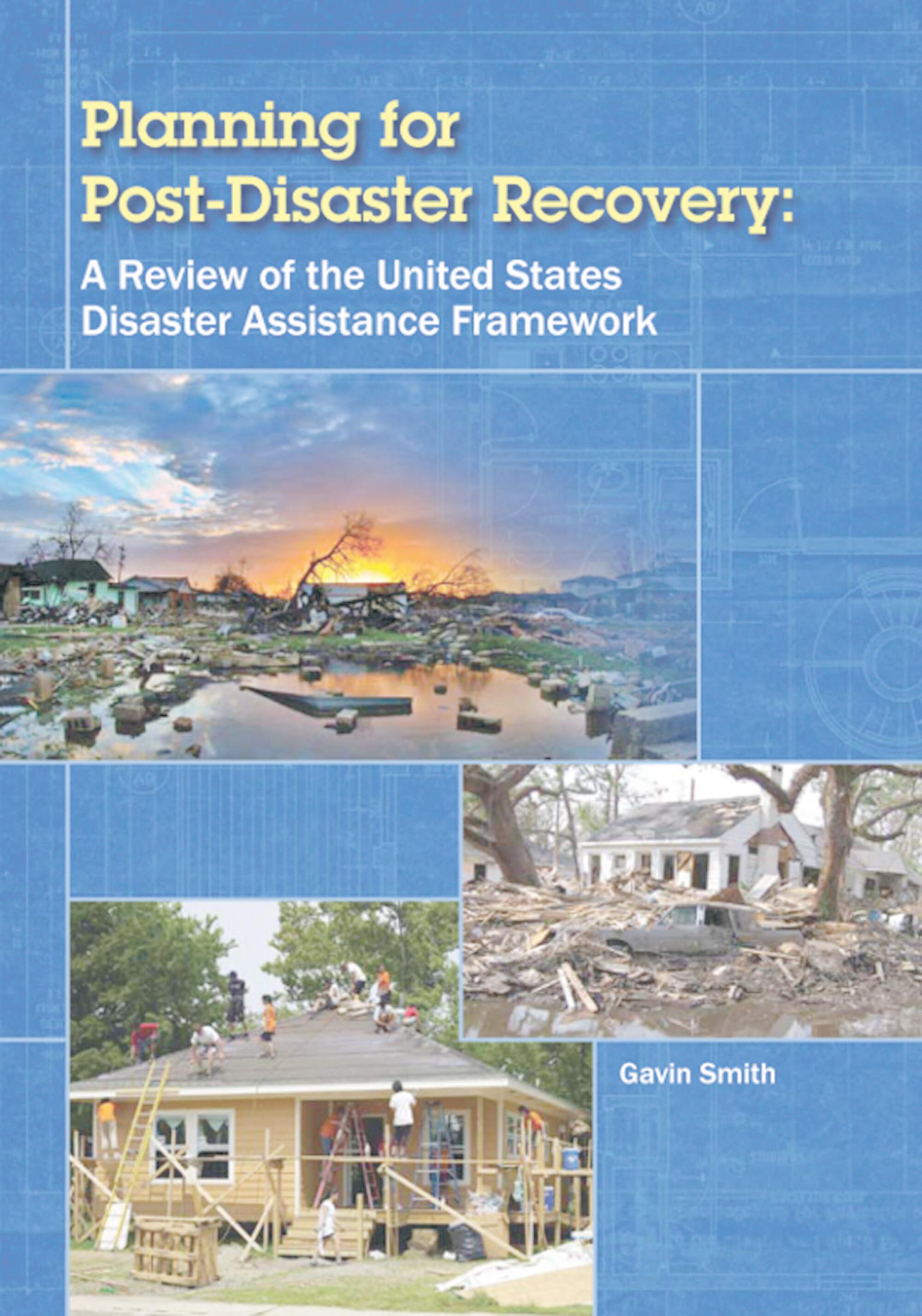
The failure to plan for disaster recovery results in a process of rebuilding that often presages the next disaster. It also limits the collective maximization of governmental, nonprofit, and private resources, including those resources that are available at the community level. As individuals, groups, communities, and organizations routinely struggle to recover from disasters, they are beset by a duplication of efforts, poor interorganizational coordination, the development and implementation of policies that are not shaped by local needs, and the spread of misinformation. Yet investment in pre-event planning for post-disaster recovery remains low.
Although researchers pointed to this problem at least twenty-five years ago, an unfortunate reality remains: disaster recovery is the least understood aspect of emergency management among both scholars and practitioners. In addition, the body of knowledge that does exist has not been effectively disseminated to those who engage in disaster recovery activities.
Planning for Post-Disaster Recoveryblends what we know about disaster recovery from the research literature with an analysis of existing practice to uncover problems and recommend solutions. It is intended for hazard scholars, practitioners, and others who have not assimilated or acted upon the existing body of knowledge, or who are unexpectedly drawn into the recovery process following a disaster.
Maksa helposti kortilla, Klarnalla, Apple Paylla tai Google Paylla. Etkö ole tyytyväinen? Sinulla on aina 14 päivän palautusoikeus. Lue lisää ehdoistamme. Jos sinulla on kysyttävää, lähetä meille sähköpostia osoitteeseen hello@memmo.org.
Memmo tekee opiskelusta helpompaa – missä päin maailmaa ikinä oletkin. Meillä yhdistät kurssikirjat ja fiksut opiskelutyökalut yhteen paikkaan: tiivistelmät, visat, podcastit ja muistikortit. Ja sitten Ted, opiskelukaverisi, joka vastaa kaikkeen, mitä ikinä mietitkin. Yli 50 000 opiskelijaa opiskelee jo täällä – rakennettu auttamaan sinua oppimaan nopeammin ja stressaamaan vähemmän.