
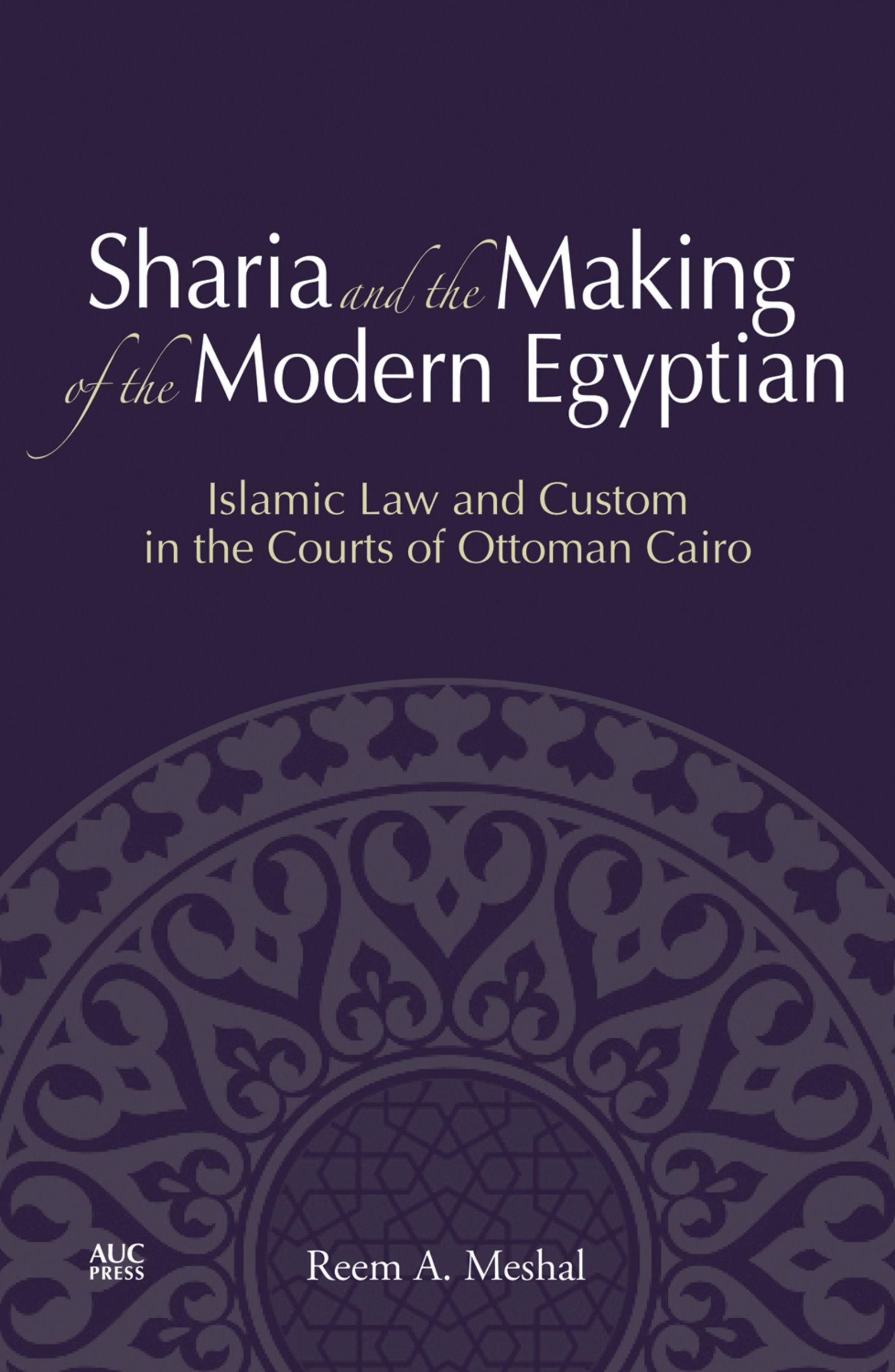
In this book, the author examines sijills, the official documents of the Ottoman Islamic courts, to understand how sharia law, society and the early-modern economy of sixteenth- and seventeenth-century Ottoman Cairo related to the practice of custom in determining rulings. In the sixteenth century, a new legal and cultural orthodoxy fostered the development of an early-modern Islam that broke new ground, giving rise to a new concept of the citizen and his role. Contrary to the prevailing scholarly view, this work adopts the position that local custom began to diminish and decline as a source of authority.
These issues resonate today, several centuries later, in the continuing discussions of individual rights in relation to Islamic law.
Maksa helposti kortilla, Klarnalla, Apple Paylla tai Google Paylla. Etkö ole tyytyväinen? Sinulla on aina 14 päivän palautusoikeus. Lue lisää ehdoistamme. Jos sinulla on kysyttävää, lähetä meille sähköpostia osoitteeseen hello@memmo.org.
Memmo tekee opiskelusta helpompaa – missä päin maailmaa ikinä oletkin. Meillä yhdistät kurssikirjat ja fiksut opiskelutyökalut yhteen paikkaan: tiivistelmät, visat, podcastit ja muistikortit. Ja sitten Ted, opiskelukaverisi, joka vastaa kaikkeen, mitä ikinä mietitkin. Yli 50 000 opiskelijaa opiskelee jo täällä – rakennettu auttamaan sinua oppimaan nopeammin ja stressaamaan vähemmän.
Saatat pitää myös näistä
Osta kirja0