
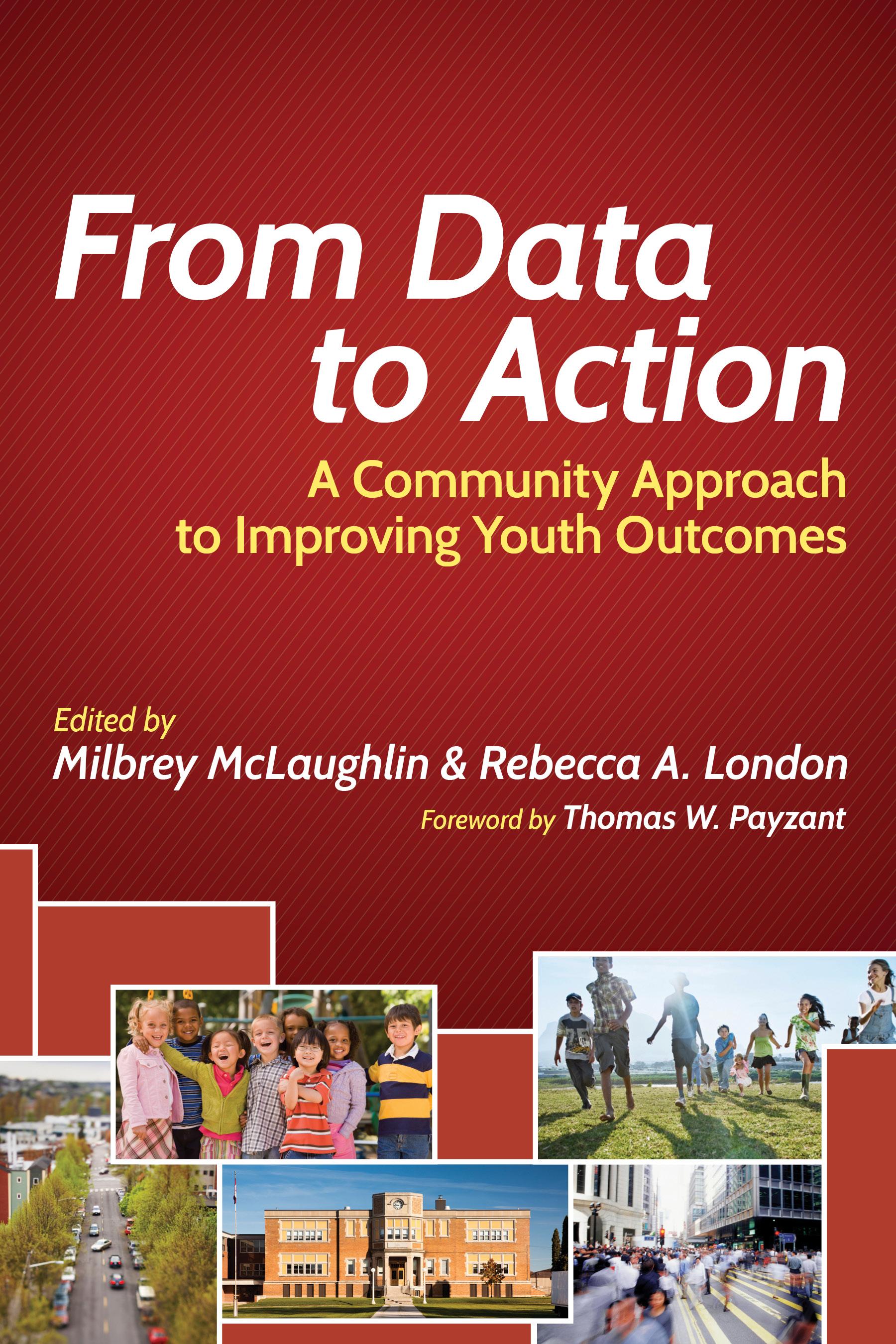
This book is a welcome guide for educators, civic leaders, and researchers looking for ways to leverage data to identify the most effective policies, interventions, and use of resources for their communities.
In the current era of reform, much has been made of the fact that there are many influences that shape children beyond the walls of the schoolhouse. Powerful data “warehouses” have been built to track children and interventions within school bureaucracies and in other social service sectors. Yet these data systems are rarely linked to provide a holistic view of how individual children are faring both in and out of school and which interventions—or combinations thereof—are most promising. Privacy laws and institutional traditions have made such collaborations difficult, if not impossible. Until now.
The Youth Data Archive, based at the John W. Gardner Center for Youth and Their Communities at Stanford University, is an effort to blaze a new path to the productive use of cross-agency data now employed by researchers, school officials, and service providers in San Francisco, San Mateo, Alameda, and Santa Clara counties.
Editors Milbrey McLaughlin and Rebecca A. London, leaders of the Youth Data Archive, bring together participants who describe the initiative and its challenges and successes. The participants also give detailed background on how the archive was built and how it has led to improvements in services, particularly for children at risk. This book is a welcome guide for educators, civic leaders, and researchers looking for ways to leverage data to identify the most effective policies, interventions, and use of resources for their communities.
In the current era of reform, much has been made of the fact that there are many influences that shape children beyond the walls of the schoolhouse. Powerful data “warehouses” have been built to track children and interventions within school bureaucracies and in other social service sectors. Yet these data systems are rarely linked to provide a holistic view of how individual children are faring both in and out of school and which interventions—or combinations thereof—are most promising. Privacy laws and institutional traditions have made such collaborations difficult, if not impossible. Until now.
The Youth Data Archive, based at the John W. Gardner Center for Youth and Their Communities at Stanford University, is an effort to blaze a new path to the productive use of cross-agency data now employed by researchers, school officials, and service providers in San Francisco, San Mateo, Alameda, and Santa Clara counties.
Editors Milbrey McLaughlin and Rebecca A. London, leaders of the Youth Data Archive, bring together participants who describe the initiative and its challenges and successes. The participants also give detailed background on how the archive was built and how it has led to improvements in services, particularly for children at risk. This book is a welcome guide for educators, civic leaders, and researchers looking for ways to leverage data to identify the most effective policies, interventions, and use of resources for their communities.
Maksa helposti kortilla, Klarnalla, Apple Paylla tai Google Paylla. Etkö ole tyytyväinen? Sinulla on aina 14 päivän palautusoikeus. Lue lisää ehdoistamme. Jos sinulla on kysyttävää, lähetä meille sähköpostia osoitteeseen hello@memmo.org.
Memmo tekee opiskelusta helpompaa – missä päin maailmaa ikinä oletkin. Meillä yhdistät kurssikirjat ja fiksut opiskelutyökalut yhteen paikkaan: tiivistelmät, visat, podcastit ja muistikortit. Ja sitten Ted, opiskelukaverisi, joka vastaa kaikkeen, mitä ikinä mietitkin. Yli 50 000 opiskelijaa opiskelee jo täällä – rakennettu auttamaan sinua oppimaan nopeammin ja stressaamaan vähemmän.
Saatat pitää myös näistä
Osta kirja0