
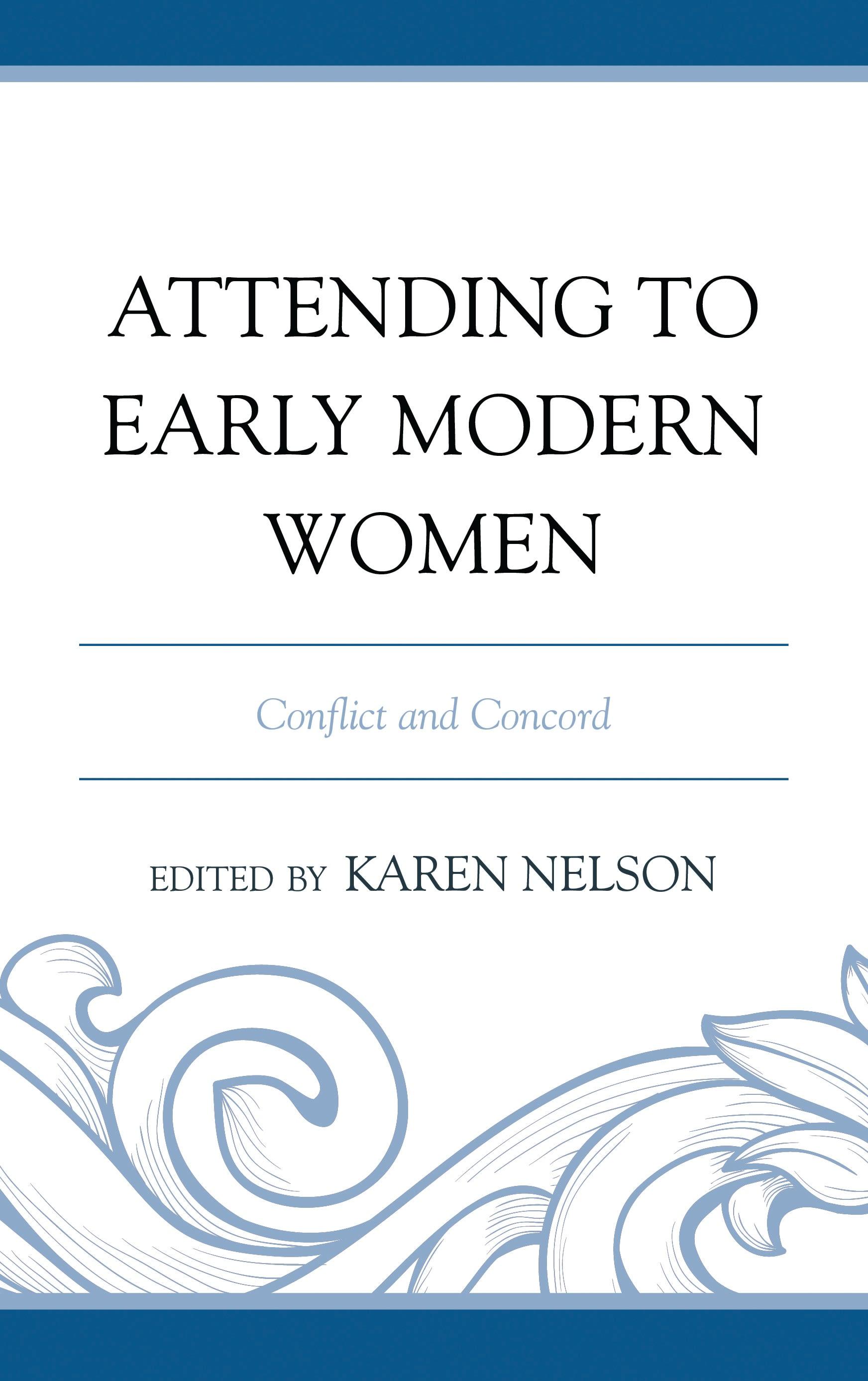
This volume considers women's roles in the conflicts and negotiations of the early modern world. Essays explore the ways that gender shapes women's agency in times of war, religious strife, and economic change. How were conflict and concord gendered in histories, literature, music, and political, legal, didactic, and religious treatises?
Four interdisciplinary plenary topics ground this exploration: Negotiations, Economies, Faiths & Spiritualities, and Pedagogies. Scholars focus upon many regions of the early modern world--the Atlantic world, the Mediterranean world, Granada, Indonesia, the Low Countries, England, and Italy--inflected by such religions as Islam, Catholicism, and Reformed Protestantism, as they came into contact with indigenous spiritualities and with one another.
Essays and workshop summaries analyze how gender and class are implicated in economic change and assess the ways gender and religion map onto voyages of trade, exploration, or imperialism. They investigate how women, as individuals and as members of political or family networks, were instrumental in transmitting, promoting, supporting, or thwarting different religions during times of religious crises. This volume also offers methods for teaching and researching these topics. It will be invaluable to scholars of medieval and early modern women's studies, especially those working in history, literature, languages, musicology, and religious studies.
Four interdisciplinary plenary topics ground this exploration: Negotiations, Economies, Faiths & Spiritualities, and Pedagogies. Scholars focus upon many regions of the early modern world--the Atlantic world, the Mediterranean world, Granada, Indonesia, the Low Countries, England, and Italy--inflected by such religions as Islam, Catholicism, and Reformed Protestantism, as they came into contact with indigenous spiritualities and with one another.
Essays and workshop summaries analyze how gender and class are implicated in economic change and assess the ways gender and religion map onto voyages of trade, exploration, or imperialism. They investigate how women, as individuals and as members of political or family networks, were instrumental in transmitting, promoting, supporting, or thwarting different religions during times of religious crises. This volume also offers methods for teaching and researching these topics. It will be invaluable to scholars of medieval and early modern women's studies, especially those working in history, literature, languages, musicology, and religious studies.
Sivuja: 268
Kategoria: Kultur-, Genus- & Postkoloniala studier
e-ISBN: 9781611494457
Lähetyspaino: 1.2 kg
Toimitusaika: 1-2 päivää
Maksa helposti kortilla, Klarnalla, Apple Paylla tai Google Paylla. Etkö ole tyytyväinen? Sinulla on aina 14 päivän palautusoikeus. Lue lisää ehdoistamme. Jos sinulla on kysyttävää, lähetä meille sähköpostia osoitteeseen hello@memmo.org.
Memmo tekee opiskelusta helpompaa – missä päin maailmaa ikinä oletkin. Meillä yhdistät kurssikirjat ja fiksut opiskelutyökalut yhteen paikkaan: tiivistelmät, visat, podcastit ja muistikortit. Ja sitten Ted, opiskelukaverisi, joka vastaa kaikkeen, mitä ikinä mietitkin. Yli 50 000 opiskelijaa opiskelee jo täällä – rakennettu auttamaan sinua oppimaan nopeammin ja stressaamaan vähemmän.