
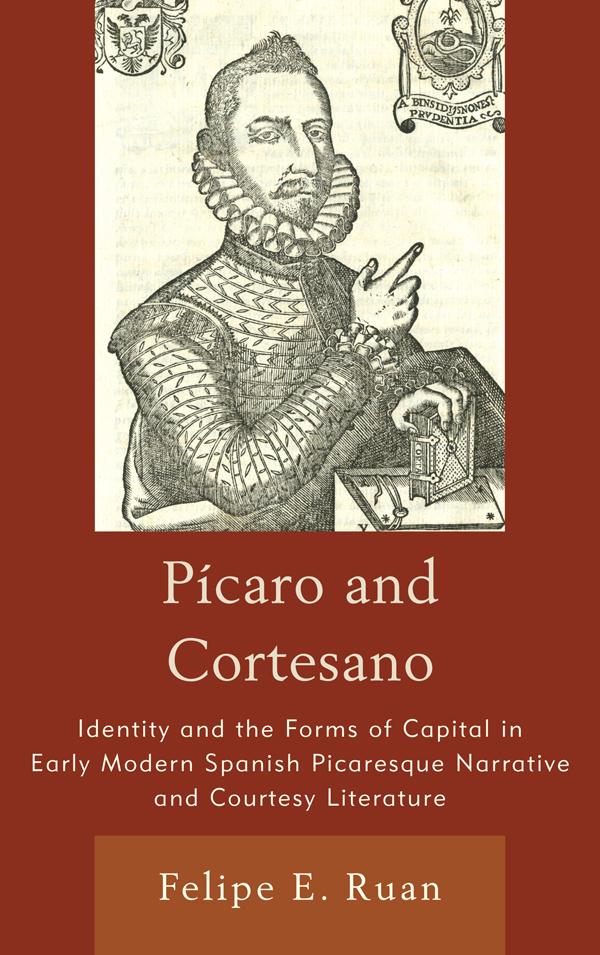
In this book on the relationship between pícaro and cortesano, Felipe E. Ruan argues that these two cultural figures are linked by a shared form of deportment centered on prudent self-accommodation. This behavior is generated and governed by a courtly ethos or habitus that emerges as the result of the growth and influence of the court in Madrid. Ruan posits that both pícaro and cortesano, and their respective books, conduct manual and picaresque narrative, tacitly engage questions of identity and individualism by highlighting the valued resources or forms of capital that come to fashion and sustain self-identity. He places the books of the pícaro and cortesano within the larger polemic of early modern identity and individualism, and offers an account of the individual as agent whose actions are grounded on objective social relations, without those actions being simply the result of mechanistic adherence to the social order.
Maksa helposti kortilla, Klarnalla, Apple Paylla tai Google Paylla. Etkö ole tyytyväinen? Sinulla on aina 14 päivän palautusoikeus. Lue lisää ehdoistamme. Jos sinulla on kysyttävää, lähetä meille sähköpostia osoitteeseen hello@memmo.org.
Memmo tekee opiskelusta helpompaa – missä päin maailmaa ikinä oletkin. Meillä yhdistät kurssikirjat ja fiksut opiskelutyökalut yhteen paikkaan: tiivistelmät, visat, podcastit ja muistikortit. Ja sitten Ted, opiskelukaverisi, joka vastaa kaikkeen, mitä ikinä mietitkin. Yli 50 000 opiskelijaa opiskelee jo täällä – rakennettu auttamaan sinua oppimaan nopeammin ja stressaamaan vähemmän.