
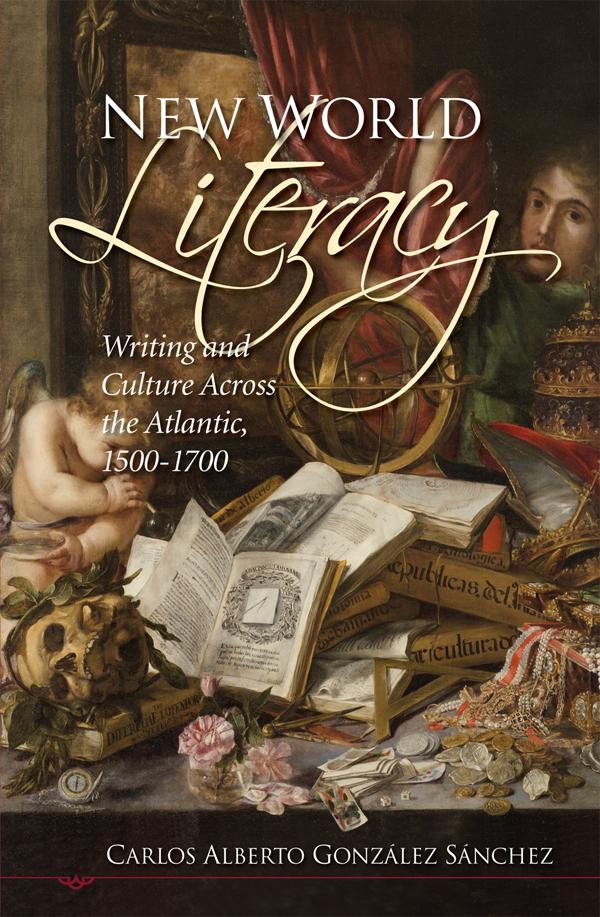
This book on the role of written and iconographic communication in the Atlantic World combines a broad outlook, geographically and chronologically, with the precise treatment of specific evidence extracted from the sources. The author argues that diatribes against chivalric fiction and the Index of Prohibited Books did not prevent proscribed literature from circulating freely on both sides of the Atlantic. On the contrary, he notes, such prohibitions may have increased the lure of certain books. A description of the process of registering and inspecting ships in Seville and upon reaching their destinations highlights opportunities for contraband, smuggling, fraud, and the corruption of officials entrusted with regulating the trade. Within the prominent spiritual genre, the author documents a shift from Erasmian to Tridentine thinking. The registers analyzed also suggest the growing popularity of literary works by Cervantes, Mateo Alemán, and Lope de Vega. It opens a fascinating window onto the book trade in the Americas. Different forms of participation in this culture included the use of books as fetishes and the possession of printed devotional images. The analysis of books as well as printed images supports larger contentions about their role as agents of evangelization and westernization. This book certainly opens up new worlds on the impact of books and images in the Atlantic World.
Maksa helposti kortilla, Klarnalla, Apple Paylla tai Google Paylla. Etkö ole tyytyväinen? Sinulla on aina 14 päivän palautusoikeus. Lue lisää ehdoistamme. Jos sinulla on kysyttävää, lähetä meille sähköpostia osoitteeseen hello@memmo.org.
Memmo tekee opiskelusta helpompaa – missä päin maailmaa ikinä oletkin. Meillä yhdistät kurssikirjat ja fiksut opiskelutyökalut yhteen paikkaan: tiivistelmät, visat, podcastit ja muistikortit. Ja sitten Ted, opiskelukaverisi, joka vastaa kaikkeen, mitä ikinä mietitkin. Yli 50 000 opiskelijaa opiskelee jo täällä – rakennettu auttamaan sinua oppimaan nopeammin ja stressaamaan vähemmän.