
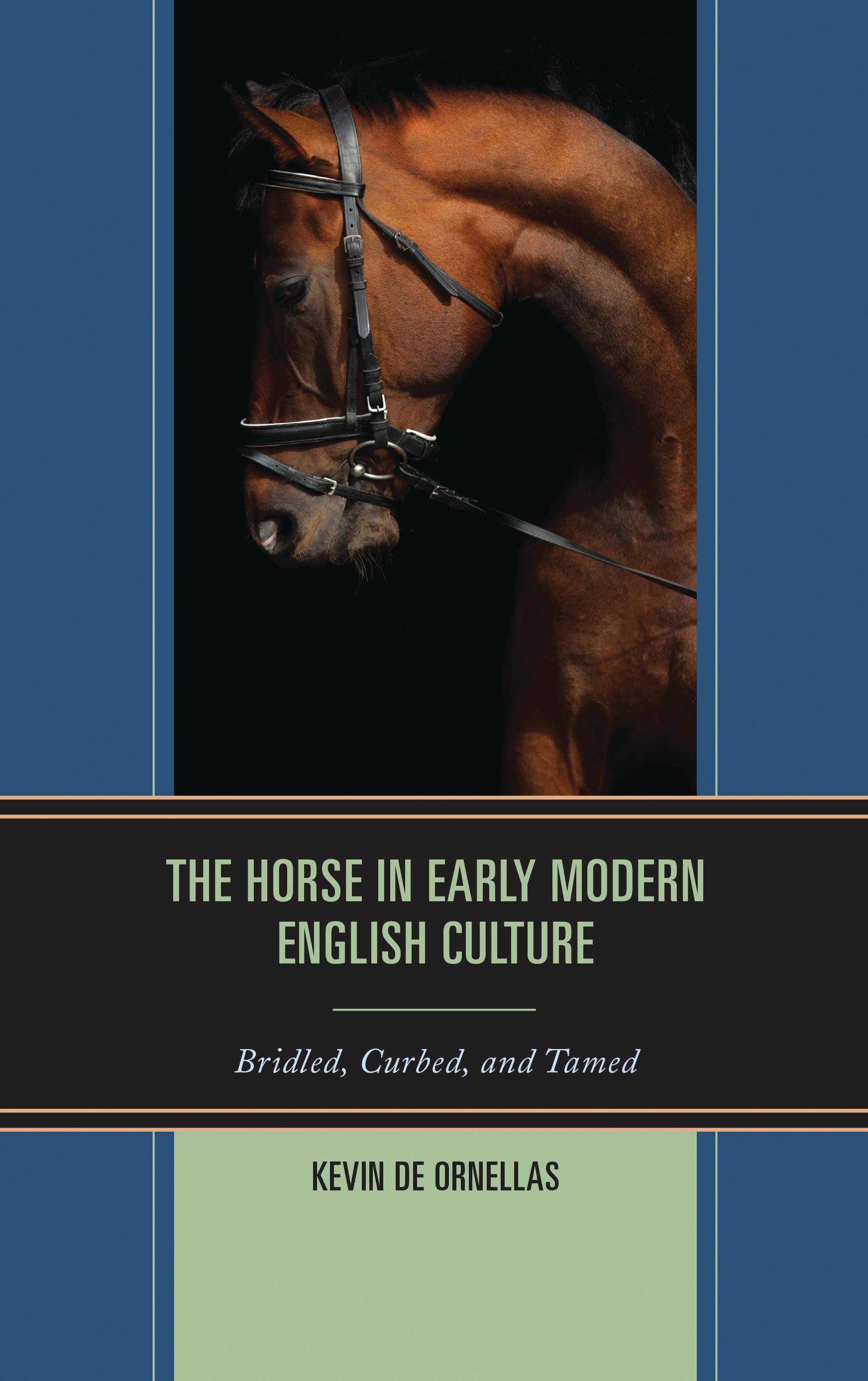
Kevin De Ornellas argues that in Renaissance England the relationship between horse and rider works as an unambiguous symbol of domination by the strong over the weak. There was little sentimental concern for animal welfare, leading to the routine abuse of the material animal. This unproblematic, practical exploitation of the horse led to the currency of the horse/rider relationship as a trope or symbol of exploitation in the literature of the period. Engaging with fiction, plays, poems, and non-fictional prose works of late Tudor and early Stuart England, De Ornellas demonstrates that the horse—a bridled, unwilling slave—becomes a yardstick against which the oppression of England’s poor, women, increasingly uninfluential clergyman, and deluded gamblers is measured. The status of the bitted, harnessed horse was a low one in early modern England—to be compared to such a beast is a demonstration of inferiority and subjugation. To think anything else is to be naïve about the realities of horse management in the period and is to be naïve about the realities of the exploitation of horses and other mammals in the present-day world.
Maksa helposti kortilla, Klarnalla, Apple Paylla tai Google Paylla. Etkö ole tyytyväinen? Sinulla on aina 14 päivän palautusoikeus. Lue lisää ehdoistamme. Jos sinulla on kysyttävää, lähetä meille sähköpostia osoitteeseen hello@memmo.org.
Memmo tekee opiskelusta helpompaa – missä päin maailmaa ikinä oletkin. Meillä yhdistät kurssikirjat ja fiksut opiskelutyökalut yhteen paikkaan: tiivistelmät, visat, podcastit ja muistikortit. Ja sitten Ted, opiskelukaverisi, joka vastaa kaikkeen, mitä ikinä mietitkin. Yli 50 000 opiskelijaa opiskelee jo täällä – rakennettu auttamaan sinua oppimaan nopeammin ja stressaamaan vähemmän.