
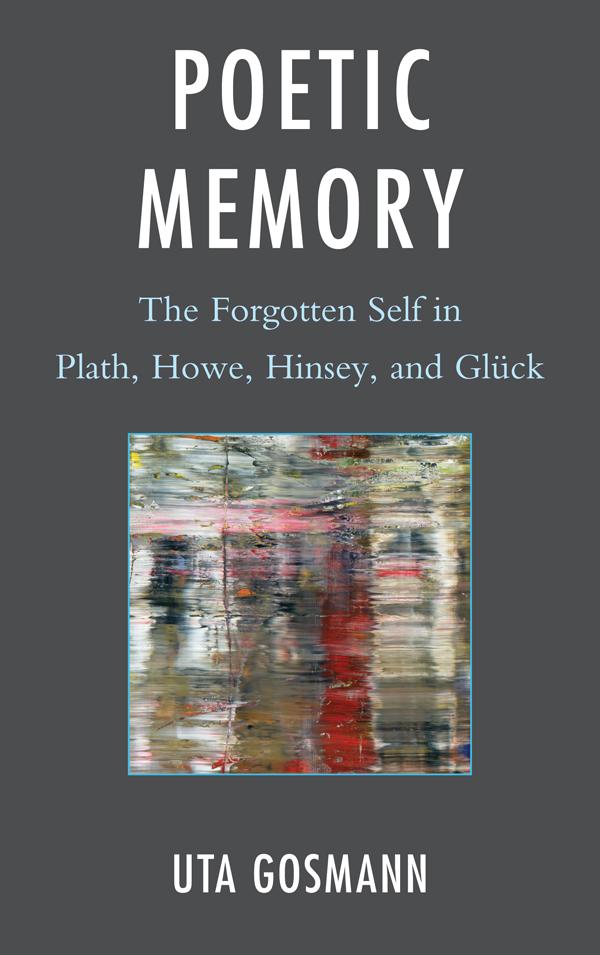
How do poems remember? What kinds of memory do poems register that factual, chronological accounts of the past are oblivious to? What is the self created by such practices of memory? To answer these questions, Uta Gosmann introduces a general theory of “poetic memory,” a manner of thinking that eschews simple-minded notions of linearity and accuracy in order to uncover the human subject’s intricate relationship to a past that it cannot fully know. Gosmann explores poetic memory in the work of Sylvia Plath, Susan Howe, Ellen Hinsey, and Louise Glück, four American poets writing in a wide range of styles and discussed here for the first time together. Drawing on psychoanalysis, memory studies, and thinkers from Nietzsche and Benjamin to Halbwachs and Kristeva, Gosmann uses these demanding poets to articulate an alternative, non-empirical model of the self in poetry.
Maksa helposti kortilla, Klarnalla, Apple Paylla tai Google Paylla. Etkö ole tyytyväinen? Sinulla on aina 14 päivän palautusoikeus. Lue lisää ehdoistamme. Jos sinulla on kysyttävää, lähetä meille sähköpostia osoitteeseen hello@memmo.org.
Memmo tekee opiskelusta helpompaa – missä päin maailmaa ikinä oletkin. Meillä yhdistät kurssikirjat ja fiksut opiskelutyökalut yhteen paikkaan: tiivistelmät, visat, podcastit ja muistikortit. Ja sitten Ted, opiskelukaverisi, joka vastaa kaikkeen, mitä ikinä mietitkin. Yli 50 000 opiskelijaa opiskelee jo täällä – rakennettu auttamaan sinua oppimaan nopeammin ja stressaamaan vähemmän.