
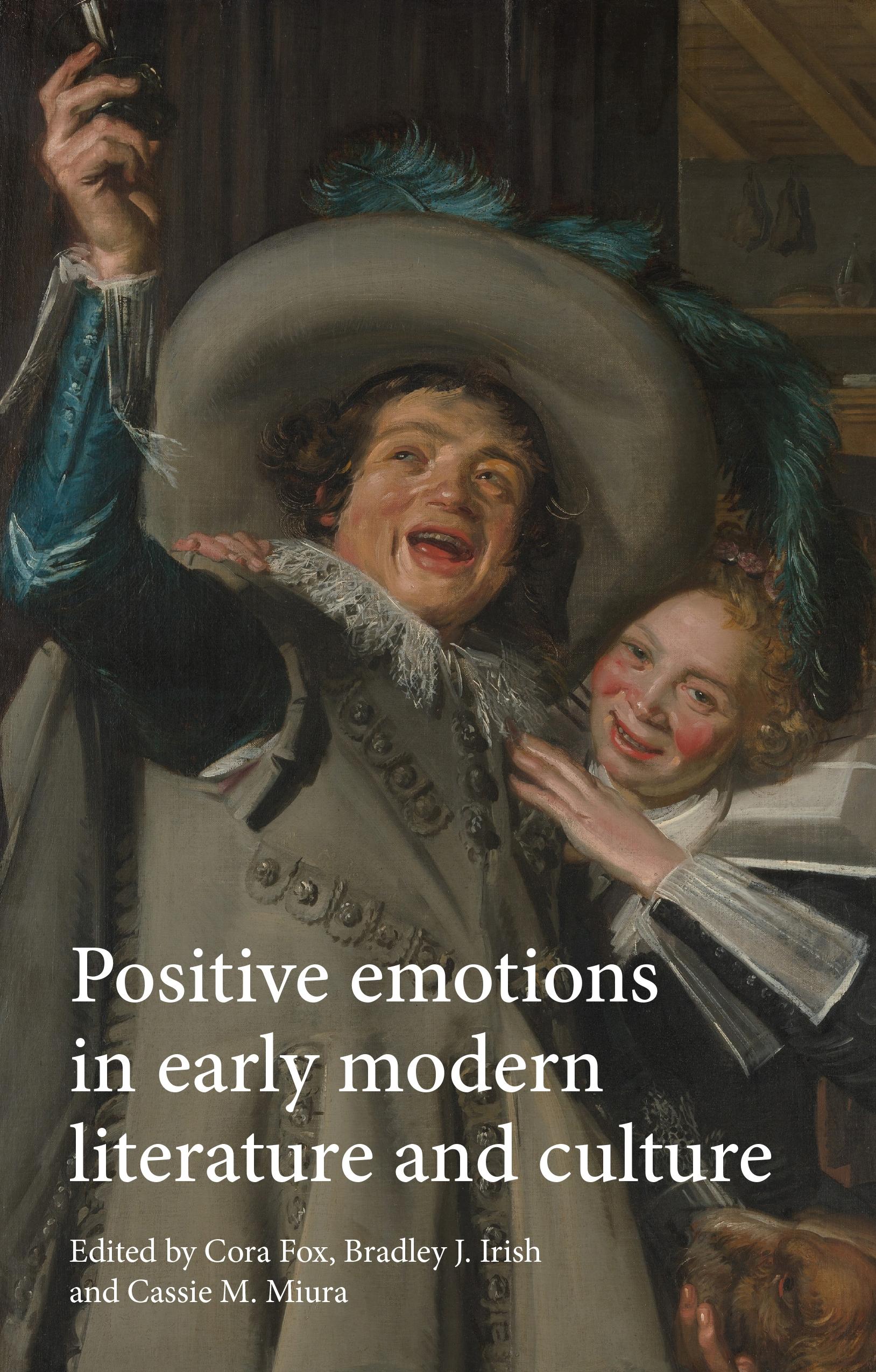
What did it mean to be happy in early modern Europe? Positive emotions in early modern literature and culture includes essays that reframe historical understandings of emotional life in the Renaissance, focusing on under-studied feelings such as mirth, solidarity, and tranquillity. Methodologically diverse and interdisciplinary, these essays draw from the history of emotions, affect theory and the contemporary social and cognitive sciences to reveal rich and sustained cultural attention in the early modern period to these positive feelings. The book also highlights culturally distinct negotiations of the problematic binary between what constitutes positive and negative emotions. A comprehensive introduction and afterword open multiple paths for research into the histories of good feeling and their significances for understanding present constructions of happiness and wellbeing.
Maksa helposti kortilla, Klarnalla, Apple Paylla tai Google Paylla. Etkö ole tyytyväinen? Sinulla on aina 14 päivän palautusoikeus. Lue lisää ehdoistamme. Jos sinulla on kysyttävää, lähetä meille sähköpostia osoitteeseen hello@memmo.org.
Memmo tekee opiskelusta helpompaa – missä päin maailmaa ikinä oletkin. Meillä yhdistät kurssikirjat ja fiksut opiskelutyökalut yhteen paikkaan: tiivistelmät, visat, podcastit ja muistikortit. Ja sitten Ted, opiskelukaverisi, joka vastaa kaikkeen, mitä ikinä mietitkin. Yli 50 000 opiskelijaa opiskelee jo täällä – rakennettu auttamaan sinua oppimaan nopeammin ja stressaamaan vähemmän.
Saatat pitää myös näistä
Osta kirja0