
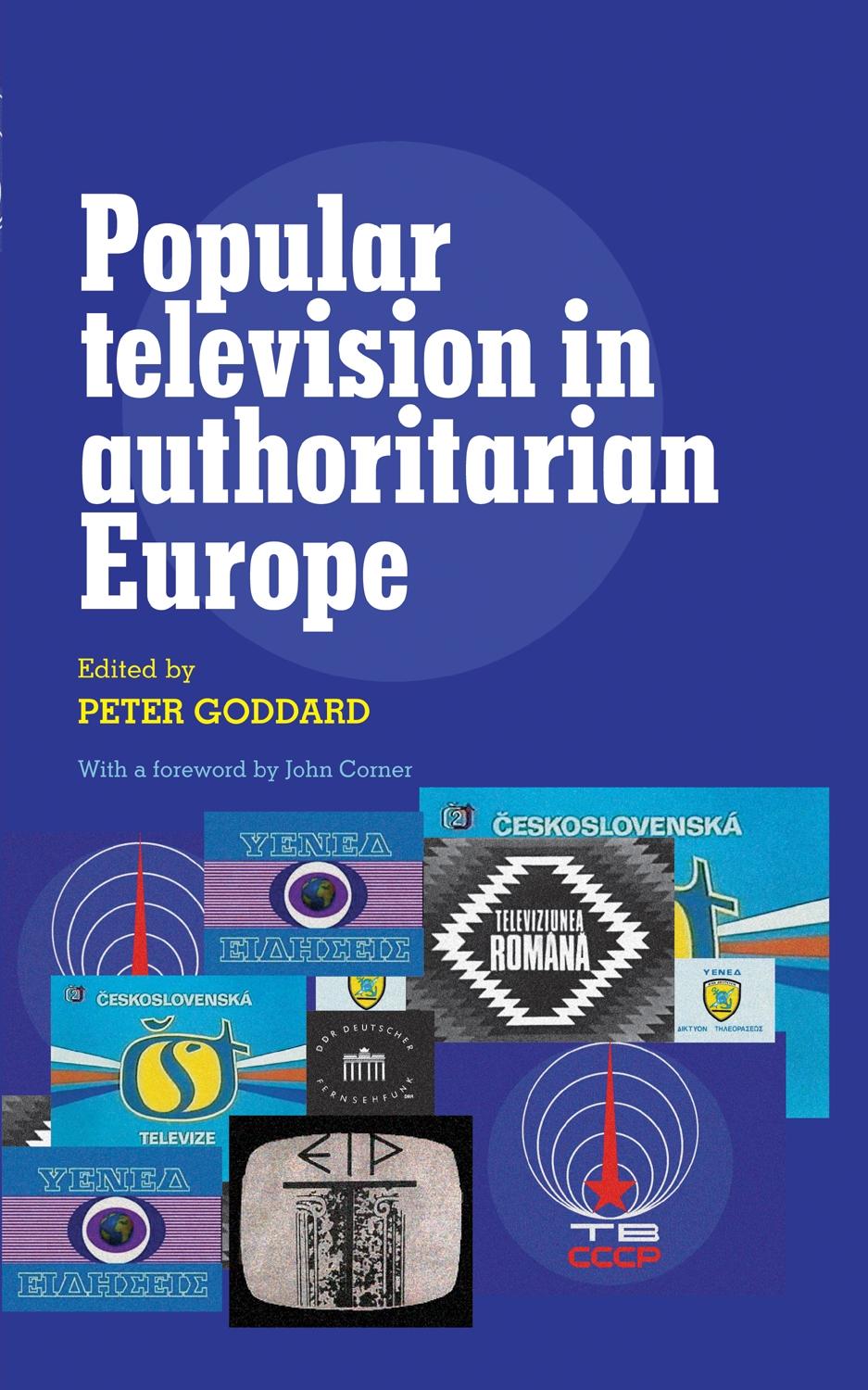
This lively and ground-breaking collection brings together work on forms of popular television within the authoritarian regimes of Europe after World War Two. Ten chapters based on new and original research examine approaches to programming and individual programmes in Spain, Greece, Czechoslovakia, Romania, the USSR and the GDR at a time when they were governed as dictatorships or one-party states. Drawing on surviving archives, scripts and production records, contemporary publications, YouTube clips and interviews with producers and performers, its chapters recover examples of television programming history unknown beyond national borders and often preserved largely in the memories of the audiences who lived with them.
The introduction examines how television can be considered ‘popular’ in circumstances where audience appeal is often secondary to the need for state control. Published in English, Popular television in authoritarian Europe represents a significant intervention in transnational television studies, making these histories available to scholars for the first time, encouraging comparative enquiry and extending the reach – intellectually and geographically – of European television history.
There is a foreword by John Corner and an informative timeline of events in the history of television in the countries covered.
Maksa helposti kortilla, Klarnalla, Apple Paylla tai Google Paylla. Etkö ole tyytyväinen? Sinulla on aina 14 päivän palautusoikeus. Lue lisää ehdoistamme. Jos sinulla on kysyttävää, lähetä meille sähköpostia osoitteeseen hello@memmo.org.
Memmo tekee opiskelusta helpompaa – missä päin maailmaa ikinä oletkin. Meillä yhdistät kurssikirjat ja fiksut opiskelutyökalut yhteen paikkaan: tiivistelmät, visat, podcastit ja muistikortit. Ja sitten Ted, opiskelukaverisi, joka vastaa kaikkeen, mitä ikinä mietitkin. Yli 50 000 opiskelijaa opiskelee jo täällä – rakennettu auttamaan sinua oppimaan nopeammin ja stressaamaan vähemmän.