
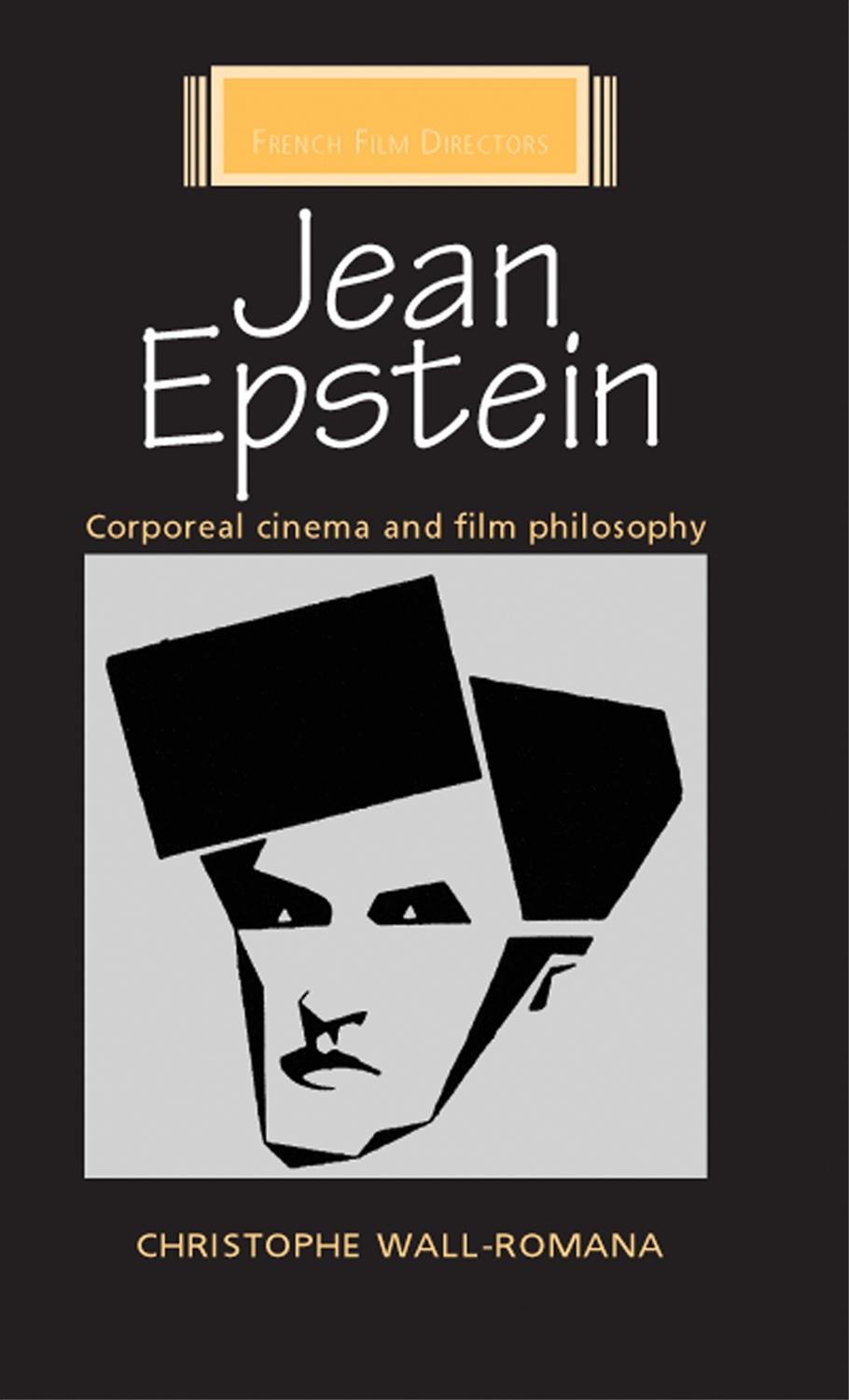
If cinema can be approached as poetry and philosophy, it is because of Jean Epstein. Cocteau, Buñuel (who was his assistant), Hitchcock, Pasolini and Godard, and theoreticians Kracauer, Deleuze and Rancière are directly influenced by Epstein’s pioneering film work, writings, and concepts. This book is the first in English to examine his oeuvre comprehensively.
An avant-garde artist and an anti-elitist intellectual, Epstein wanted to craft moments of pure transformative cinema. Using familiar genres – melodramas and documentaries – he hoped to heal viewers of all classes and hasten social utopia. A lover of cinema as cognitive and sensorial technology, and a poet of the screen, he pushed cinematography – as photogénie – towards the experimental sublime, through daring close-ups, rhythmic montage, slow motion, even reverse motion.
Polish-born, half-Jewish, and the author of a treatise on homosexuality, Epstein has been unfairly relegated to the shadows of film history. This book restores him to the limelight of interwar world cinema, on a par with Renoir, Lang, Capra and Eisenstein.
Maksa helposti kortilla, Klarnalla, Apple Paylla tai Google Paylla. Etkö ole tyytyväinen? Sinulla on aina 14 päivän palautusoikeus. Lue lisää ehdoistamme. Jos sinulla on kysyttävää, lähetä meille sähköpostia osoitteeseen hello@memmo.org.
Memmo tekee opiskelusta helpompaa – missä päin maailmaa ikinä oletkin. Meillä yhdistät kurssikirjat ja fiksut opiskelutyökalut yhteen paikkaan: tiivistelmät, visat, podcastit ja muistikortit. Ja sitten Ted, opiskelukaverisi, joka vastaa kaikkeen, mitä ikinä mietitkin. Yli 50 000 opiskelijaa opiskelee jo täällä – rakennettu auttamaan sinua oppimaan nopeammin ja stressaamaan vähemmän.