
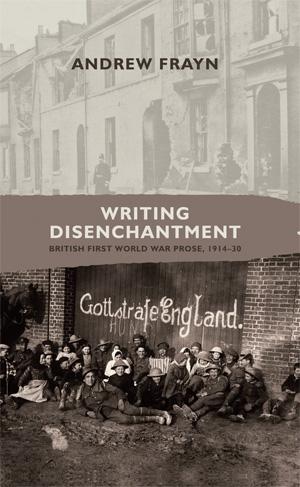
It has become axiomatic that First World War literature was disenchanted, or disillusioned, and returning combatants were unable to process or communicate that experience. In Writing disenchantment, Andrew Frayn argues that this was not just about the war: non-combatants were just as disenchanted as those who fought, and writers such as D. H. Lawrence and Virginia Woolf produced some of the sharpest criticisms. Its language already existed in contemporary sociological and historical accounts of the problems of mass culture and the modern city, whose structures contained the conflict and were strengthened during it.
Archival material, sales data and reviews are used to chart disenchantment in a wide range of early twentieth-century war literature from novels about fears of invasion and pacifism, through the modernist novels of the 1920s to its dominance in the War Books Boom of 1928–30. This book will appeal to scholars and students of English literature, social and cultural history, and gender studies.
Maksa helposti kortilla, Klarnalla, Apple Paylla tai Google Paylla. Etkö ole tyytyväinen? Sinulla on aina 14 päivän palautusoikeus. Lue lisää ehdoistamme. Jos sinulla on kysyttävää, lähetä meille sähköpostia osoitteeseen hello@memmo.org.
Memmo tekee opiskelusta helpompaa – missä päin maailmaa ikinä oletkin. Meillä yhdistät kurssikirjat ja fiksut opiskelutyökalut yhteen paikkaan: tiivistelmät, visat, podcastit ja muistikortit. Ja sitten Ted, opiskelukaverisi, joka vastaa kaikkeen, mitä ikinä mietitkin. Yli 50 000 opiskelijaa opiskelee jo täällä – rakennettu auttamaan sinua oppimaan nopeammin ja stressaamaan vähemmän.