
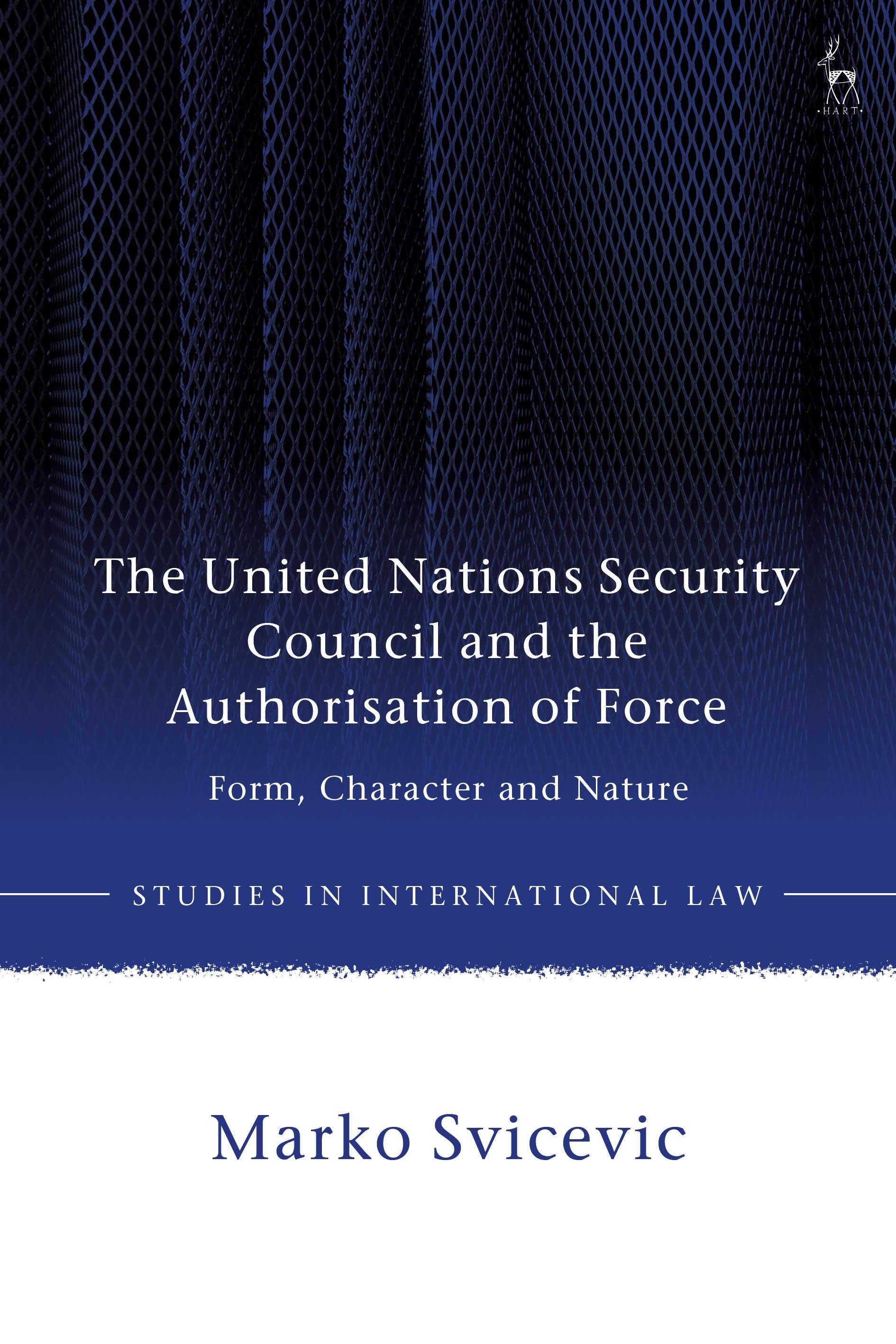
This book examines the United Nations Security Council's authorisation of the use of force, considering the extensive body of UN Security Council resolutions across its now eighty years of existence.
As one of the established exceptions to the Article 2(4) UN Charter prohibition on the use of force, UN Security Council authorisation of force remains a key focus for both States and scholars alike. Despite the apparent consequences of authorisation, authorising resolutions lack prescribed formats or mandatory content. The UN Security Council has over time, however, developed a consistent practice of prior explicit authorisation.
The development of this practice is reflected in a number of essential characteristics within authorising resolutions of the UN Security Council. These include explicit determinations of a threat to international peace and security, the invocation of Chapter VII (or VIII) of the UN Charter, the use of specific authorising language, the inclusion of time or functional limits on authorisation, and the imposition of reporting obligations on those authorised to use force. The book ultimately argues that prior explicit authorisation constitutes a well-established practice, rejecting the legality and admissibility of implicit and retroactive authorisation.
As one of the established exceptions to the Article 2(4) UN Charter prohibition on the use of force, UN Security Council authorisation of force remains a key focus for both States and scholars alike. Despite the apparent consequences of authorisation, authorising resolutions lack prescribed formats or mandatory content. The UN Security Council has over time, however, developed a consistent practice of prior explicit authorisation.
The development of this practice is reflected in a number of essential characteristics within authorising resolutions of the UN Security Council. These include explicit determinations of a threat to international peace and security, the invocation of Chapter VII (or VIII) of the UN Charter, the use of specific authorising language, the inclusion of time or functional limits on authorisation, and the imposition of reporting obligations on those authorised to use force. The book ultimately argues that prior explicit authorisation constitutes a well-established practice, rejecting the legality and admissibility of implicit and retroactive authorisation.
Maksa helposti kortilla, Klarnalla, Apple Paylla tai Google Paylla. Etkö ole tyytyväinen? Sinulla on aina 14 päivän palautusoikeus. Lue lisää ehdoistamme. Jos sinulla on kysyttävää, lähetä meille sähköpostia osoitteeseen hello@memmo.org.
Memmo tekee opiskelusta helpompaa – missä päin maailmaa ikinä oletkin. Meillä yhdistät kurssikirjat ja fiksut opiskelutyökalut yhteen paikkaan: tiivistelmät, visat, podcastit ja muistikortit. Ja sitten Ted, opiskelukaverisi, joka vastaa kaikkeen, mitä ikinä mietitkin. Yli 50 000 opiskelijaa opiskelee jo täällä – rakennettu auttamaan sinua oppimaan nopeammin ja stressaamaan vähemmän.