
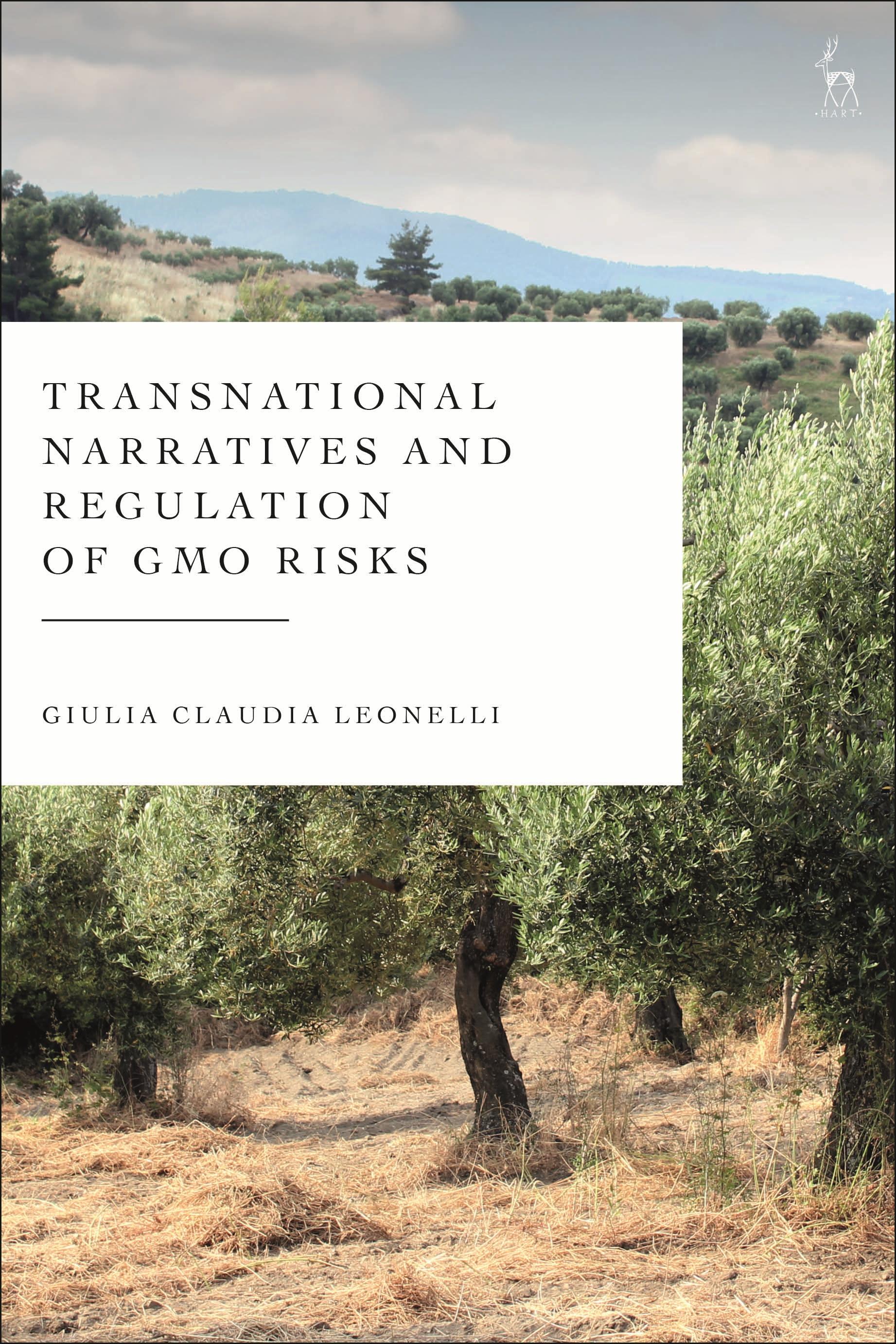
This book provides an innovative insight into the regulatory conundrum of genetically modified organisms (GMOs), deploying transnational legal analysis as a methodological framework to explore the most controversial area of risk governance.
The book deconstructs hegemonic and counter-hegemonic transnational narratives on the governance of GMO risks, cutting across US law, EU law, the WTO Agreement on Sanitary and Phytosanitary Measures, and hybrid standard-setting regimes. Should uncertain risks be run unless adverse effects have been conclusively established, and should regulators only act where this is cost-benefit effective? Should risk managers make a convincing case that a product or process is safe enough for the relevant uncertain risks to be socially acceptable? How can intractable transnational regulatory conflicts be solved?
The book complements a close analysis of regulatory frameworks and case law with a more encompassing perspective on the political, socio-economic and distributional implications of different approaches to the regulation of health and environmental risks at times of globalisation.
The GMO deadlock thus becomes a lens through which to investigate the underlying value systems, goals, and impacts of transnational discourses on risk governance. Against this backdrop, the normative strand of analysis points to the limited ability of science and procedural deliberation to generate authentic agreement and to identify normatively legitimate solutions, in the absence of pre-existing shared perspectives.
The book deconstructs hegemonic and counter-hegemonic transnational narratives on the governance of GMO risks, cutting across US law, EU law, the WTO Agreement on Sanitary and Phytosanitary Measures, and hybrid standard-setting regimes. Should uncertain risks be run unless adverse effects have been conclusively established, and should regulators only act where this is cost-benefit effective? Should risk managers make a convincing case that a product or process is safe enough for the relevant uncertain risks to be socially acceptable? How can intractable transnational regulatory conflicts be solved?
The book complements a close analysis of regulatory frameworks and case law with a more encompassing perspective on the political, socio-economic and distributional implications of different approaches to the regulation of health and environmental risks at times of globalisation.
The GMO deadlock thus becomes a lens through which to investigate the underlying value systems, goals, and impacts of transnational discourses on risk governance. Against this backdrop, the normative strand of analysis points to the limited ability of science and procedural deliberation to generate authentic agreement and to identify normatively legitimate solutions, in the absence of pre-existing shared perspectives.
Maksa helposti kortilla, Klarnalla, Apple Paylla tai Google Paylla. Etkö ole tyytyväinen? Sinulla on aina 14 päivän palautusoikeus. Lue lisää ehdoistamme. Jos sinulla on kysyttävää, lähetä meille sähköpostia osoitteeseen hello@memmo.org.
Memmo tekee opiskelusta helpompaa – missä päin maailmaa ikinä oletkin. Meillä yhdistät kurssikirjat ja fiksut opiskelutyökalut yhteen paikkaan: tiivistelmät, visat, podcastit ja muistikortit. Ja sitten Ted, opiskelukaverisi, joka vastaa kaikkeen, mitä ikinä mietitkin. Yli 50 000 opiskelijaa opiskelee jo täällä – rakennettu auttamaan sinua oppimaan nopeammin ja stressaamaan vähemmän.