
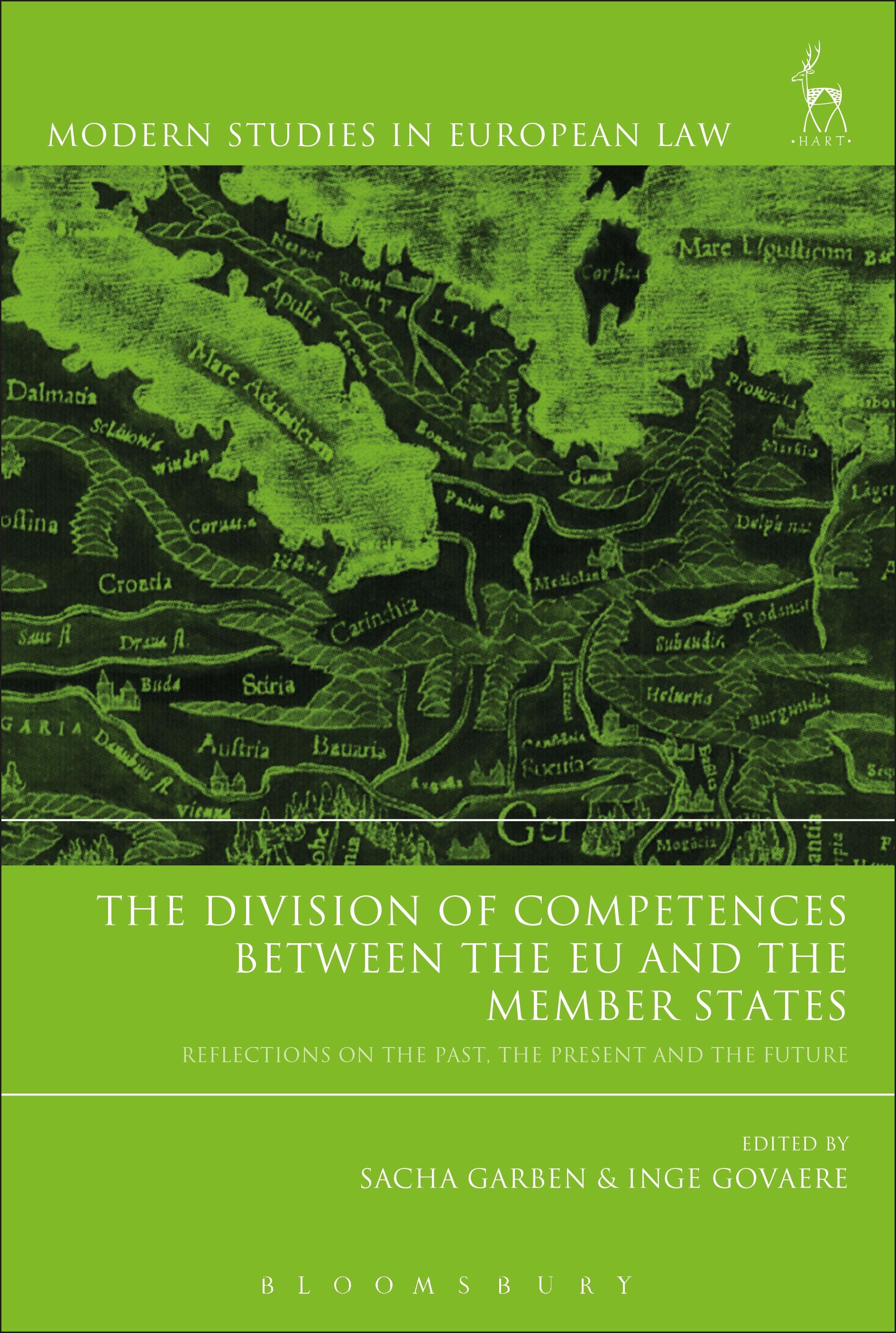
The issue of competence division is of fundamental importance as it reflects the 'power bargain' struck between the Member States and their Union, determining the limits of the authority of the EU as well as the limits of the authority of the Member States. It defines the nature of the EU as a polity, as well as the identity of the Member States. After over six years since the entry into force of the Lisbon Treaty, it is high time to take stock of whether the reforms that were adopted to make the Union's system of division of competences between the EU Member States clearer, more coherent, and better at containing European integration, have been successful. This book asks whether 'the competence problem' has finally been solved.
Given the fundamental importance of this question, this publication will be of interest to a wide audience, from constitutional and substantive EU law scholars to practitioners in the EU institutions and EU legal practice more generally.
Given the fundamental importance of this question, this publication will be of interest to a wide audience, from constitutional and substantive EU law scholars to practitioners in the EU institutions and EU legal practice more generally.
Maksa helposti kortilla, Klarnalla, Apple Paylla tai Google Paylla. Etkö ole tyytyväinen? Sinulla on aina 14 päivän palautusoikeus. Lue lisää ehdoistamme. Jos sinulla on kysyttävää, lähetä meille sähköpostia osoitteeseen hello@memmo.org.
Memmo tekee opiskelusta helpompaa – missä päin maailmaa ikinä oletkin. Meillä yhdistät kurssikirjat ja fiksut opiskelutyökalut yhteen paikkaan: tiivistelmät, visat, podcastit ja muistikortit. Ja sitten Ted, opiskelukaverisi, joka vastaa kaikkeen, mitä ikinä mietitkin. Yli 50 000 opiskelijaa opiskelee jo täällä – rakennettu auttamaan sinua oppimaan nopeammin ja stressaamaan vähemmän.