
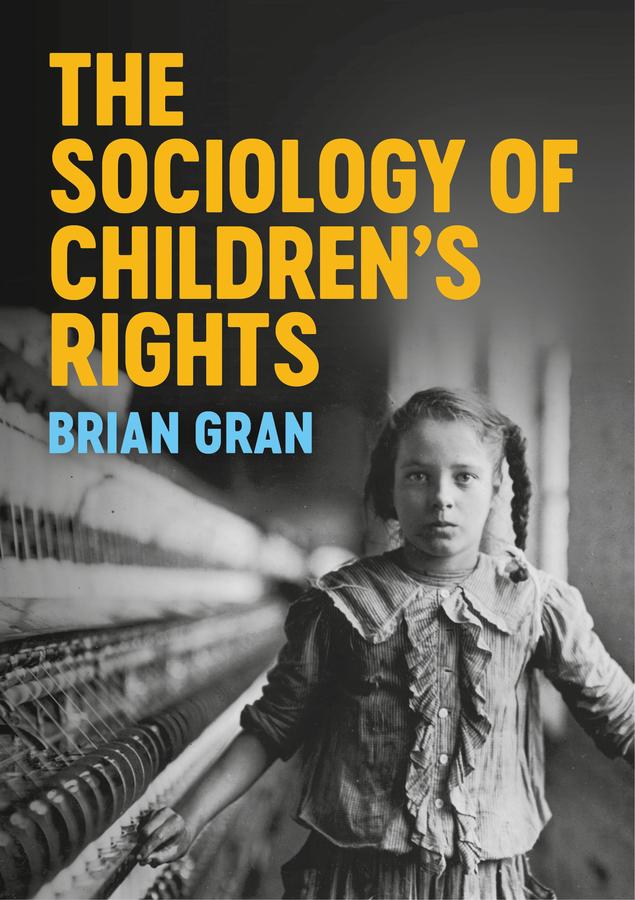
Children’s rights appear universal, inalienable, and indivisible, intended to advance young people’s interests. Yet, in practice, evidence suggests the contrary: the international framework of treaties, procedures, and national policies contains fundamental contradictions that weaken commitments to children’s real-world protections.
Brian Gran helps us understand what is at stake when children’s rights are compromised. This insightful text grounds readers in core theories and key data about children’s legal entitlements. The chapters tackle central questions about what rights accrue to young people, whether they advance equality, and how they influence children’s identities, freedoms, and societal participation. Ultimately, this book shows how current frameworks hinder young people from possessing and benefiting from human rights, arguing that they function as cynical invitations to question whether we truly believe children are endowed with human rights.
The Sociology of Children’s Rights offers a critical and accessible introduction to understanding a complex issue in the contemporary world, and is a compelling read for students and researchers concerned with human rights in sociology, political science, law, social work, and childhood studies.
Maksa helposti kortilla, Klarnalla, Apple Paylla tai Google Paylla. Etkö ole tyytyväinen? Sinulla on aina 14 päivän palautusoikeus. Lue lisää ehdoistamme. Jos sinulla on kysyttävää, lähetä meille sähköpostia osoitteeseen hello@memmo.org.
Memmo tekee opiskelusta helpompaa – missä päin maailmaa ikinä oletkin. Meillä yhdistät kurssikirjat ja fiksut opiskelutyökalut yhteen paikkaan: tiivistelmät, visat, podcastit ja muistikortit. Ja sitten Ted, opiskelukaverisi, joka vastaa kaikkeen, mitä ikinä mietitkin. Yli 50 000 opiskelijaa opiskelee jo täällä – rakennettu auttamaan sinua oppimaan nopeammin ja stressaamaan vähemmän.