
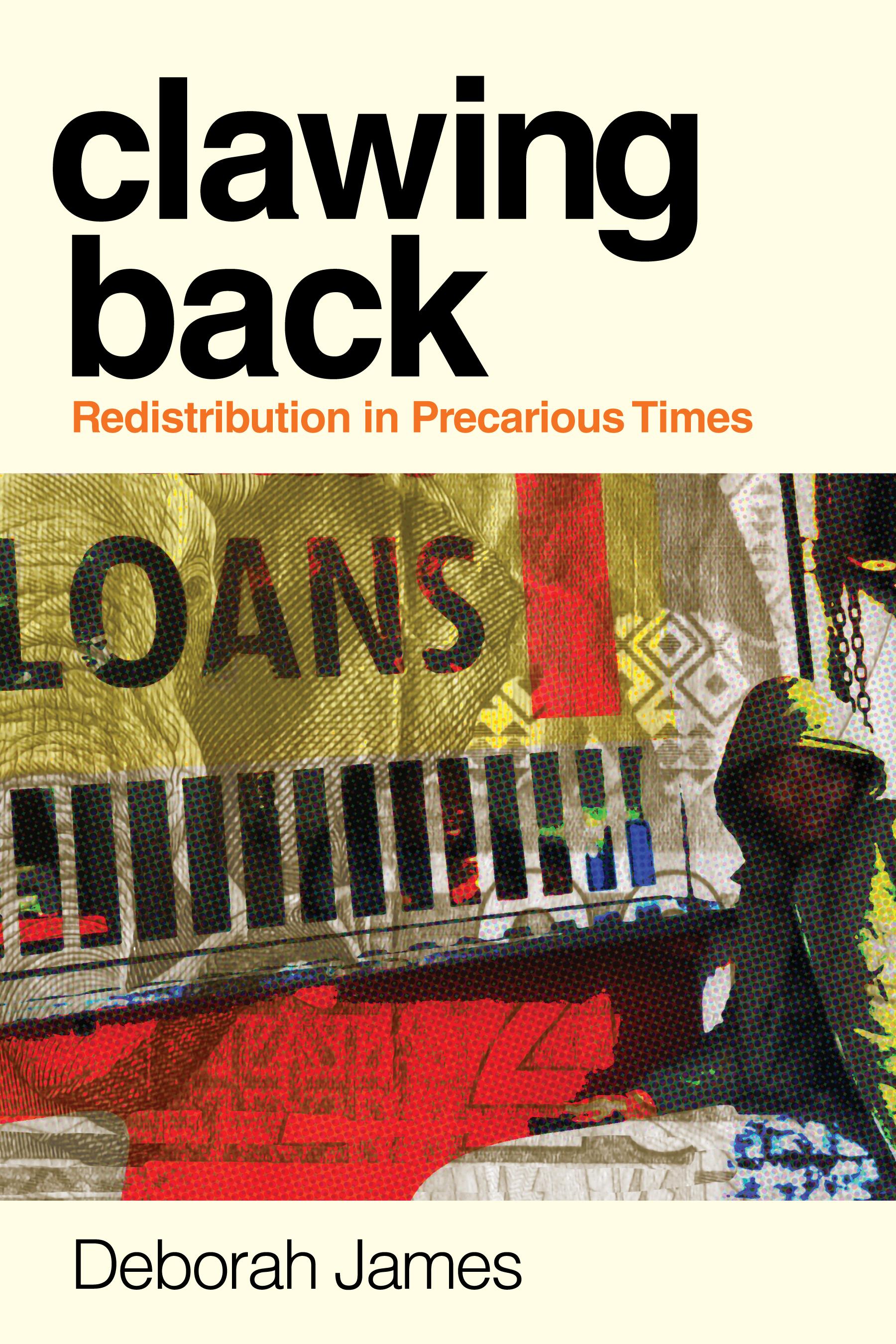
The impulse to redistribute wealth is said to be a tool to counter inequalities, applied by the state or society to curb the worst excesses of capitalist exploitation and free trade. In settings where previous political regimes are reformed, or toppled and replaced by new ones, redistribution can also be a policy specifically oriented at redress, one exercised at the formal level of policy. Drawing on a comparative ethnography in South Africa and the United Kingdom, Clawing Back explores how notions of reallocation and payout are intimately connected with those of compensation for a loss. Where financialization is accompanied by increased informalization, redistribution can equally involve the market as well as kinship and social networks. Drawing on a rich ethnography of the human relationships at the center of redistribution, Deborah James shows how borrowing can provide negotiation opportunities to wage earners and welfare beneficiaries alike: they make use of debt to constitute relations and futures, to engage with the state, to convert between commodified and non-commodified relationships. Rather than suggesting that financialization is serving either a totally negative or wholly beneficial purpose, James posits a different way of visualizing the relationship between the finance industry and the world of everyday needs.
Maksa helposti kortilla, Klarnalla, Apple Paylla tai Google Paylla. Etkö ole tyytyväinen? Sinulla on aina 14 päivän palautusoikeus. Lue lisää ehdoistamme. Jos sinulla on kysyttävää, lähetä meille sähköpostia osoitteeseen hello@memmo.org.
Memmo tekee opiskelusta helpompaa – missä päin maailmaa ikinä oletkin. Meillä yhdistät kurssikirjat ja fiksut opiskelutyökalut yhteen paikkaan: tiivistelmät, visat, podcastit ja muistikortit. Ja sitten Ted, opiskelukaverisi, joka vastaa kaikkeen, mitä ikinä mietitkin. Yli 50 000 opiskelijaa opiskelee jo täällä – rakennettu auttamaan sinua oppimaan nopeammin ja stressaamaan vähemmän.