
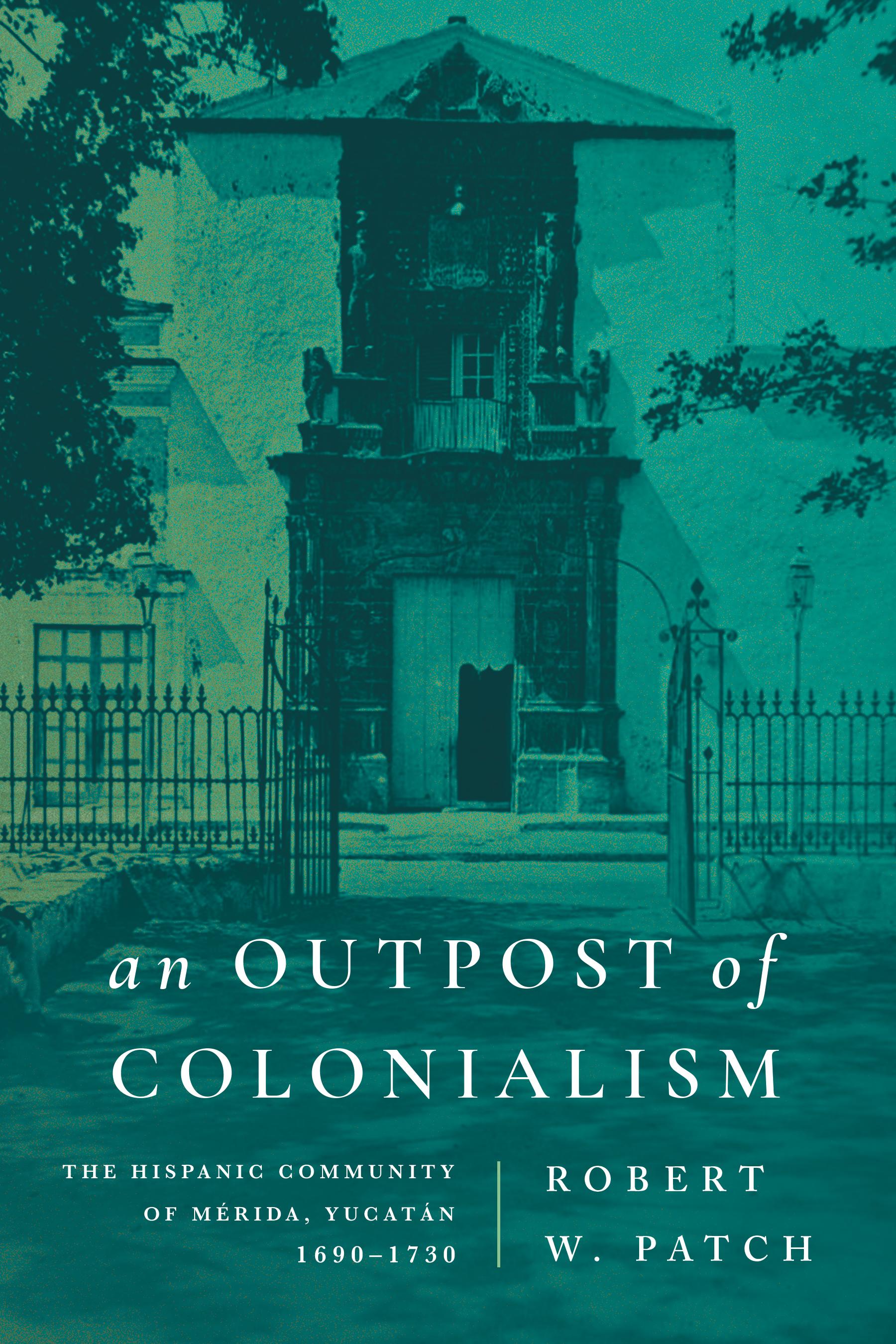
Using the categories of status, political power, and wealth, Robert W. Patch shows how Hispanic society in Mérida, Yucatán was stratified into upper, middle, and lower classes. Lacking any exportable resource except cotton textiles extracted from Maya people and exported to northern Mexico, the Hispanic community earned enough through those exports to import the material goods necessary to maintain a "Spanish" identity. The only productive economic activity of the Hispanic people was cattle ranching, and ownership of cattle was widespread, though some owned a lot more than others. Political participation was shared by the upper and middle classes, but a power elite dominated politics. Socially, people usually married within their social class and remained separate from the Maya population. The upper class, however, was not an endogamous caste descended from the conquistadors, but instead accepted wealthy people, including European immigrants, into their group. Basques, Cantabrians, and Canary Islanders tried to maintain their separate ethnicities but ultimately created a new "Spanish" identity, and many entered the upper class. Social mobility upward and downward was thus common in colonial Mérida. An Outpost of Colonialism illuminates this process of class formation and explains how the successful social reproduction of Hispanic society perpetuated the correlation between skin color (race) and social class.
Maksa helposti kortilla, Klarnalla, Apple Paylla tai Google Paylla. Etkö ole tyytyväinen? Sinulla on aina 14 päivän palautusoikeus. Lue lisää ehdoistamme. Jos sinulla on kysyttävää, lähetä meille sähköpostia osoitteeseen hello@memmo.org.
Memmo tekee opiskelusta helpompaa – missä päin maailmaa ikinä oletkin. Meillä yhdistät kurssikirjat ja fiksut opiskelutyökalut yhteen paikkaan: tiivistelmät, visat, podcastit ja muistikortit. Ja sitten Ted, opiskelukaverisi, joka vastaa kaikkeen, mitä ikinä mietitkin. Yli 50 000 opiskelijaa opiskelee jo täällä – rakennettu auttamaan sinua oppimaan nopeammin ja stressaamaan vähemmän.