
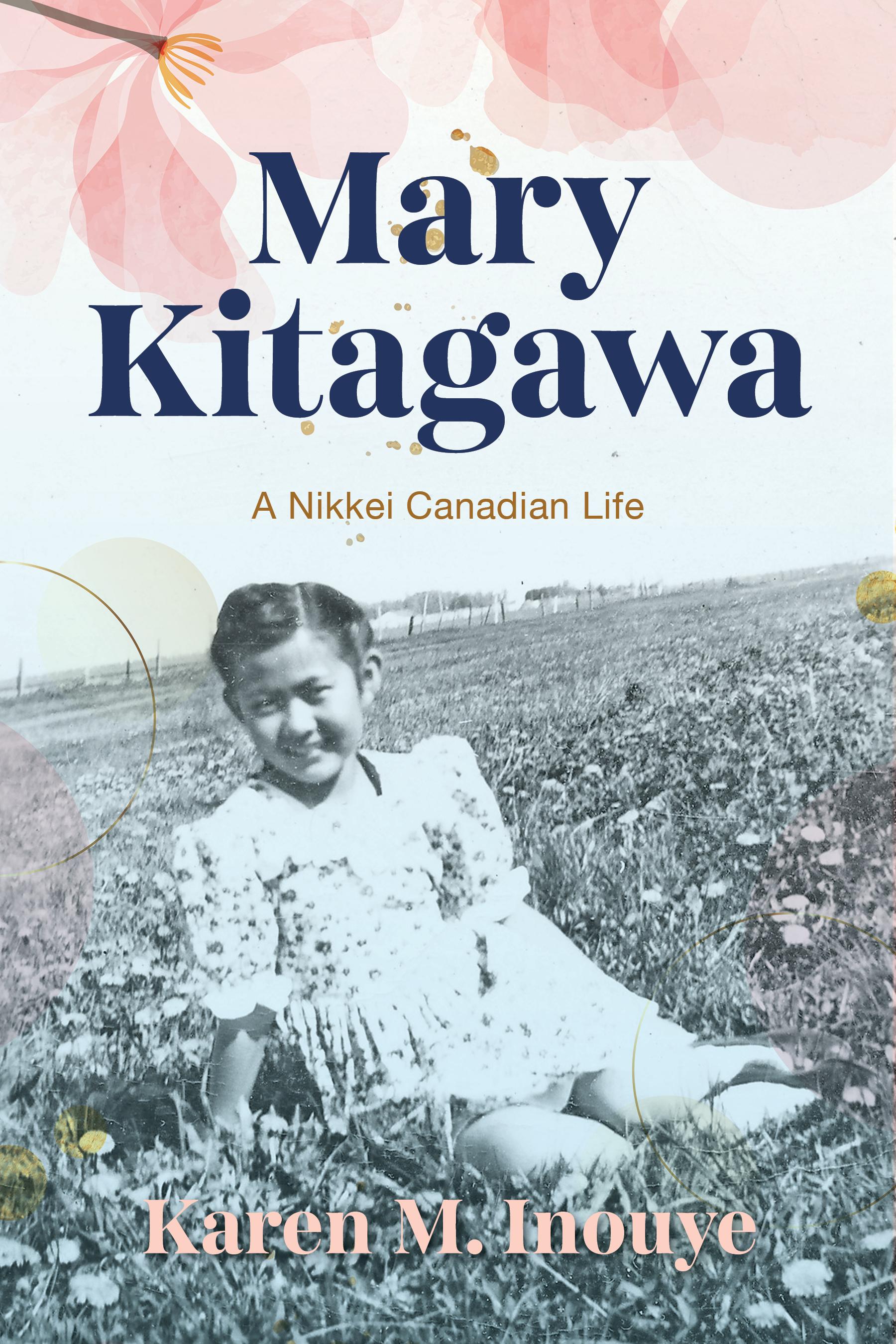
This book tells the story of Japanese Canadian activist Mary Kitagawa. In the aftermath of the Pearl Harbor bombing, Mary was one of roughly 22,000 Nikkei uprooted from their homes on the Pacific coast and forbidden to return to western British Columbia until long after World War II had officially ended. In the decades that followed, Mary and her family navigated financial precarity and ostracism, but also found ways to pursue both economic stability and political engagement. Beginning with Mary's grandparents, who were among the earliest immigrants to Canada from Japan, this book tracks the family's experiences—and those of the larger Nikkei Canadian community—from the late 1800s to the present.
Concentrating on the interpersonal and intergenerational bonds that shaped Kitagawa, Karen M. Inouye describes the increasingly activist sensibilities that arose from transformative relationships—with family members, other members of the Nikkei Canadian community, Doukhobors, First Nations peoples, and white allies—as well as in response to the anti-Asian racism that Kitagawa encountered in many forms throughout her life. Inouye presents the Nikkei Canadian experience not as a linear triumph over a single adversity, but as a continual process of identity formation in relation to obstacles and opportunities, suffering and joy, isolation and connection.
Maksa helposti kortilla, Klarnalla, Apple Paylla tai Google Paylla. Etkö ole tyytyväinen? Sinulla on aina 14 päivän palautusoikeus. Lue lisää ehdoistamme. Jos sinulla on kysyttävää, lähetä meille sähköpostia osoitteeseen hello@memmo.org.
Memmo tekee opiskelusta helpompaa – missä päin maailmaa ikinä oletkin. Meillä yhdistät kurssikirjat ja fiksut opiskelutyökalut yhteen paikkaan: tiivistelmät, visat, podcastit ja muistikortit. Ja sitten Ted, opiskelukaverisi, joka vastaa kaikkeen, mitä ikinä mietitkin. Yli 50 000 opiskelijaa opiskelee jo täällä – rakennettu auttamaan sinua oppimaan nopeammin ja stressaamaan vähemmän.