
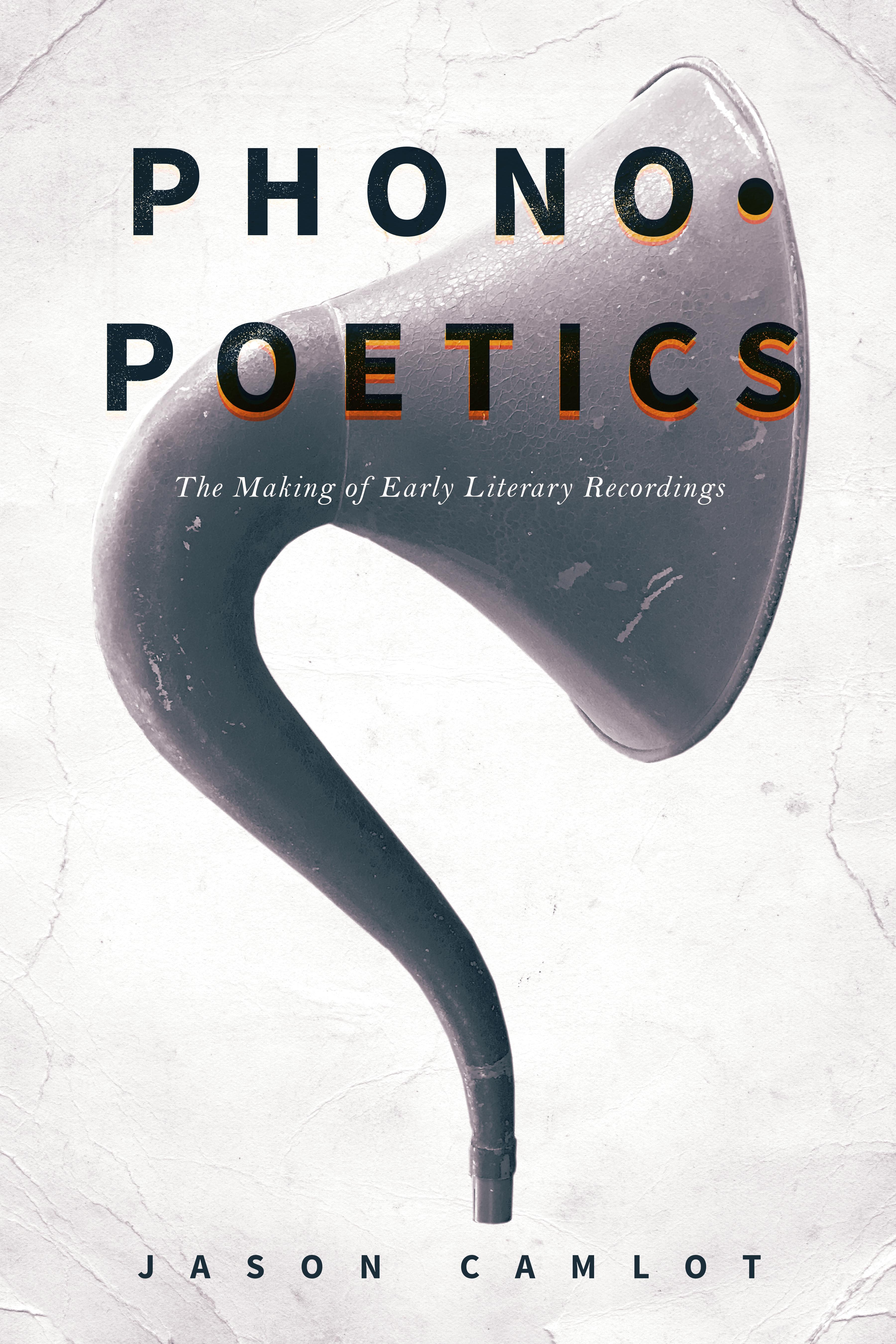
Phonopoetics tells the neglected story of early "talking records" and their significance for literature, from the 1877 invention of the phonograph to some of the first recorded performances of modernist works. The book challenges assumptions of much contemporary criticism by taking the recorded, oral performance as its primary object of analysis and by exploring the historically specific convergences between audio recording technologies, media formats, generic forms, and the institutions and practices surrounding the literary. Opening with an argument that the earliest spoken recordings were a mediated extension of Victorian reading and elocutionary culture, Jason Camlot explains the literary significance of these pre-tape era voice artifacts by analyzing early promotional fantasies about the phonograph as a new kind of speaker and detailing initiatives to deploy it as a pedagogical tool to heighten literary experience. Through historically-grounded interpretations of Dickens impersonators to recitations of Tennyson to T.S. Eliot's experimental readings of "The Waste Land" and of a great variety of voices and media in between, this first critical history of the earliest literary sound recordings offers an unusual perspective on the transition from the Victorian to modern periods and sheds new light on our own digitally mediated relationship to the past.
Maksa helposti kortilla, Klarnalla, Apple Paylla tai Google Paylla. Etkö ole tyytyväinen? Sinulla on aina 14 päivän palautusoikeus. Lue lisää ehdoistamme. Jos sinulla on kysyttävää, lähetä meille sähköpostia osoitteeseen hello@memmo.org.
Memmo tekee opiskelusta helpompaa – missä päin maailmaa ikinä oletkin. Meillä yhdistät kurssikirjat ja fiksut opiskelutyökalut yhteen paikkaan: tiivistelmät, visat, podcastit ja muistikortit. Ja sitten Ted, opiskelukaverisi, joka vastaa kaikkeen, mitä ikinä mietitkin. Yli 50 000 opiskelijaa opiskelee jo täällä – rakennettu auttamaan sinua oppimaan nopeammin ja stressaamaan vähemmän.