
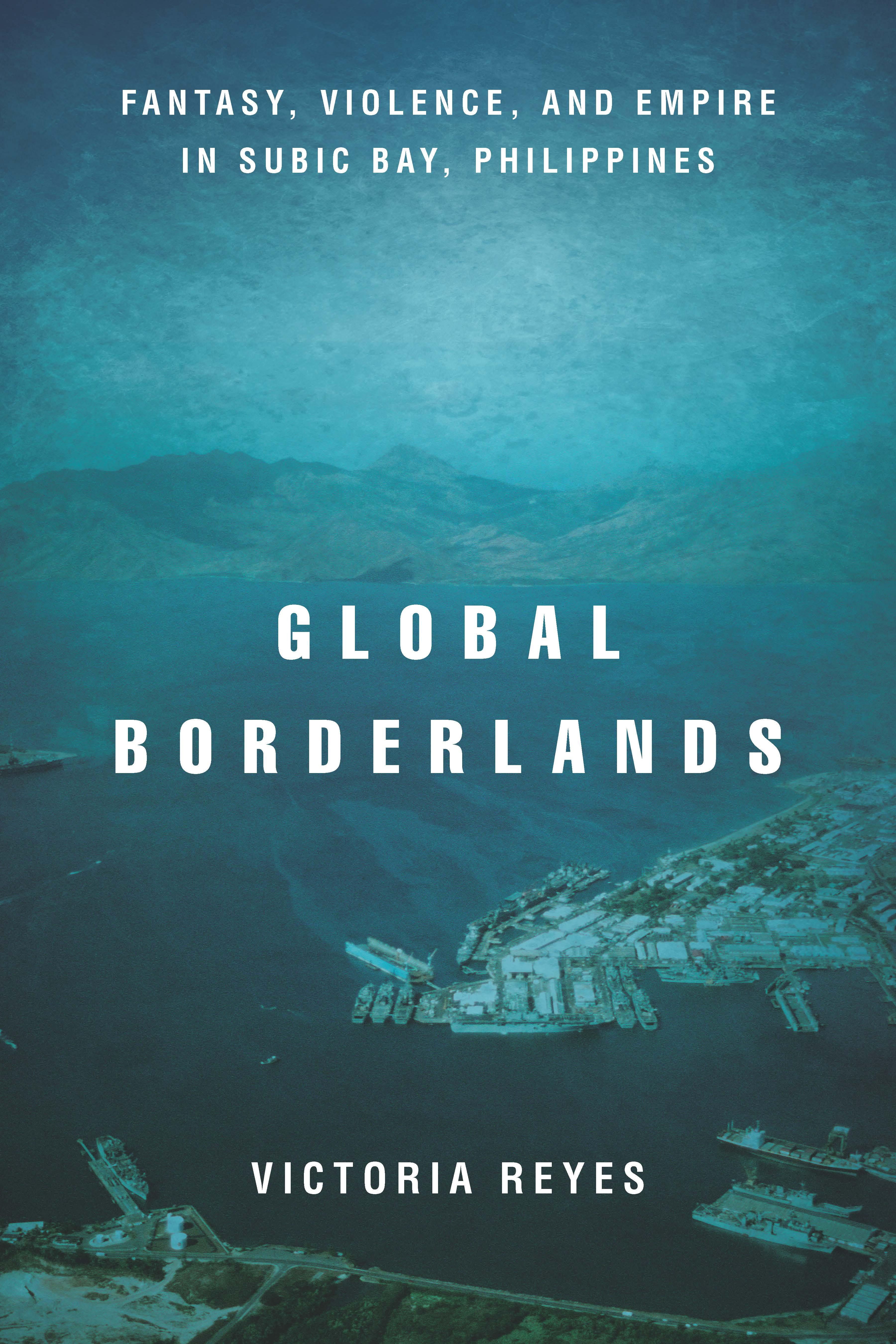
The U.S. military continues to be an overt presence in the Philippines, and a reminder of the country's colonial past. Using Subic Bay (a former U.S. military base, now a Freeport Zone) as a case study, Victoria Reyes argues that its defining feature is its ability to elicit multiple meanings. For some, it is a symbol of imperialism and inequality, while for others, it projects utopian visions of wealth and status.
Drawing on archival and ethnographic data, Reyes describes the everyday experiences of people living and working in Subic Bay, and makes a case for critically examining similar spaces across the world. These foreign-controlled, semi-autonomous zones of international exchange are what she calls global borderlands. While they can take many forms, ranging from overseas military bases to tourist resorts, they all have key features in common. This new unit of globalization provides a window into broader economic and political relations, the consequences of legal ambiguity, and the continuously reimagined identities of the people living there. Rejecting colonialism as merely a historical backdrop, Reyes demonstrates how it is omnipresent in our modern world.
Maksa helposti kortilla, Klarnalla, Apple Paylla tai Google Paylla. Etkö ole tyytyväinen? Sinulla on aina 14 päivän palautusoikeus. Lue lisää ehdoistamme. Jos sinulla on kysyttävää, lähetä meille sähköpostia osoitteeseen hello@memmo.org.
Memmo tekee opiskelusta helpompaa – missä päin maailmaa ikinä oletkin. Meillä yhdistät kurssikirjat ja fiksut opiskelutyökalut yhteen paikkaan: tiivistelmät, visat, podcastit ja muistikortit. Ja sitten Ted, opiskelukaverisi, joka vastaa kaikkeen, mitä ikinä mietitkin. Yli 50 000 opiskelijaa opiskelee jo täällä – rakennettu auttamaan sinua oppimaan nopeammin ja stressaamaan vähemmän.