
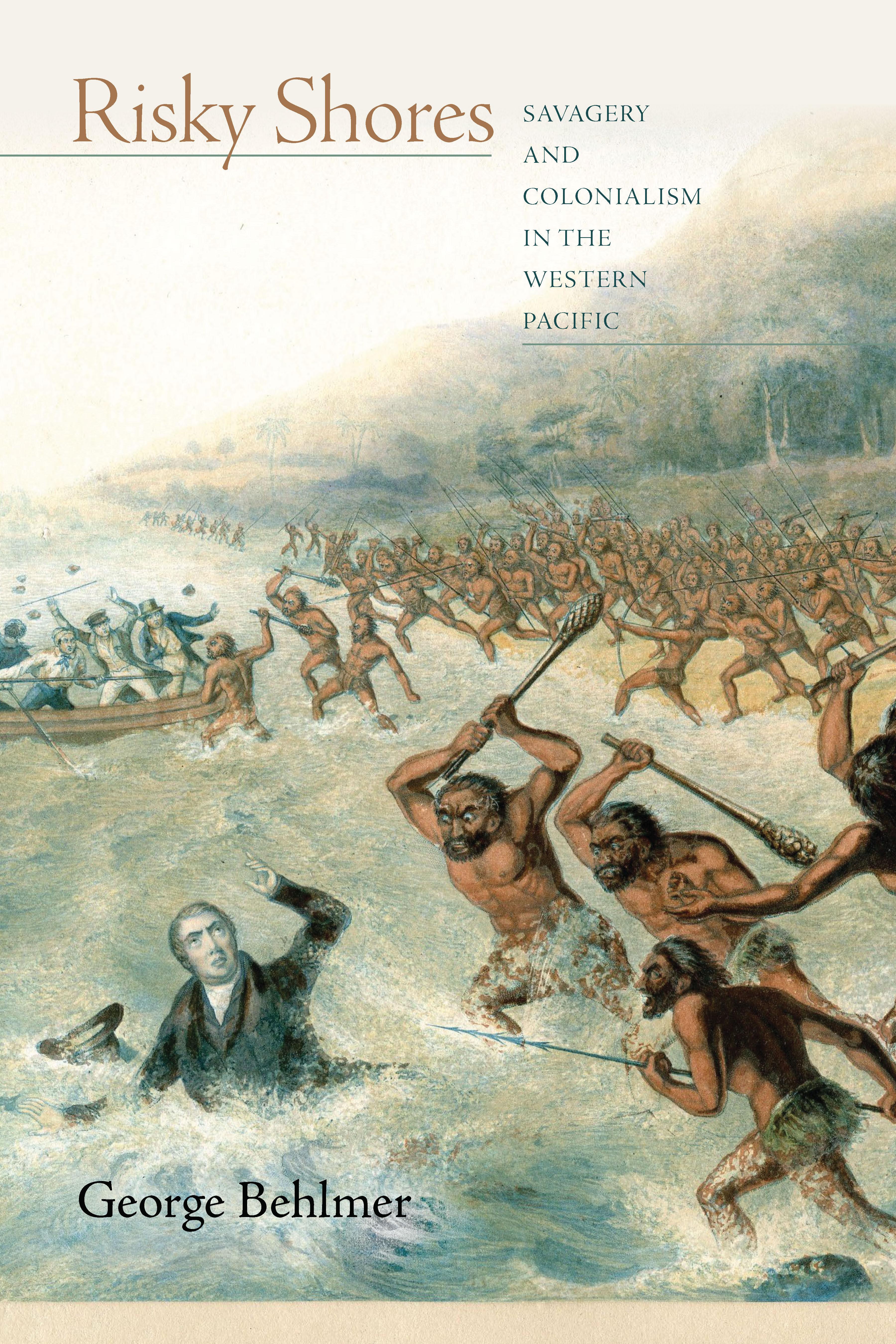
Why did the so-called "Cannibal Isles" of the Western Pacific fascinate Europeans for so long? Spanning three centuries—from Captain James Cook's death on a Hawaiian beach in 1779 to the end of World War II in 1945—this book considers the category of "the savage" in the context of British Empire in the Western Pacific, reassessing the conduct of Islanders and the English-speaking strangers who encountered them. Sensationalized depictions of Melanesian "savages" as cannibals and headhunters created a unifying sense of Britishness during the nineteenth and early twentieth centuries. These exotic people inhabited the edges of empire—and precisely because they did, Britons who never had and never would leave the home islands could imagine their nation's imperial reach.
George Behlmer argues that Britain's early visitors to the Pacific—mainly cartographers and missionaries—wielded the notion of savagery to justify their own interests. But savage talk was not simply a way to objectify and marginalize native populations: it would later serve also to emphasize the fragility of indigenous cultures. Behlmer by turns considers cannibalism, headhunting, missionary activity, the labor trade, and Westerners' preoccupation with the perceived "primitiveness" of indigenous cultures, arguing that British representations of savagery were not merely straightforward expressions of colonial power, but also belied home-grown fears of social disorder.
Maksa helposti kortilla, Klarnalla, Apple Paylla tai Google Paylla. Etkö ole tyytyväinen? Sinulla on aina 14 päivän palautusoikeus. Lue lisää ehdoistamme. Jos sinulla on kysyttävää, lähetä meille sähköpostia osoitteeseen hello@memmo.org.
Memmo tekee opiskelusta helpompaa – missä päin maailmaa ikinä oletkin. Meillä yhdistät kurssikirjat ja fiksut opiskelutyökalut yhteen paikkaan: tiivistelmät, visat, podcastit ja muistikortit. Ja sitten Ted, opiskelukaverisi, joka vastaa kaikkeen, mitä ikinä mietitkin. Yli 50 000 opiskelijaa opiskelee jo täällä – rakennettu auttamaan sinua oppimaan nopeammin ja stressaamaan vähemmän.