
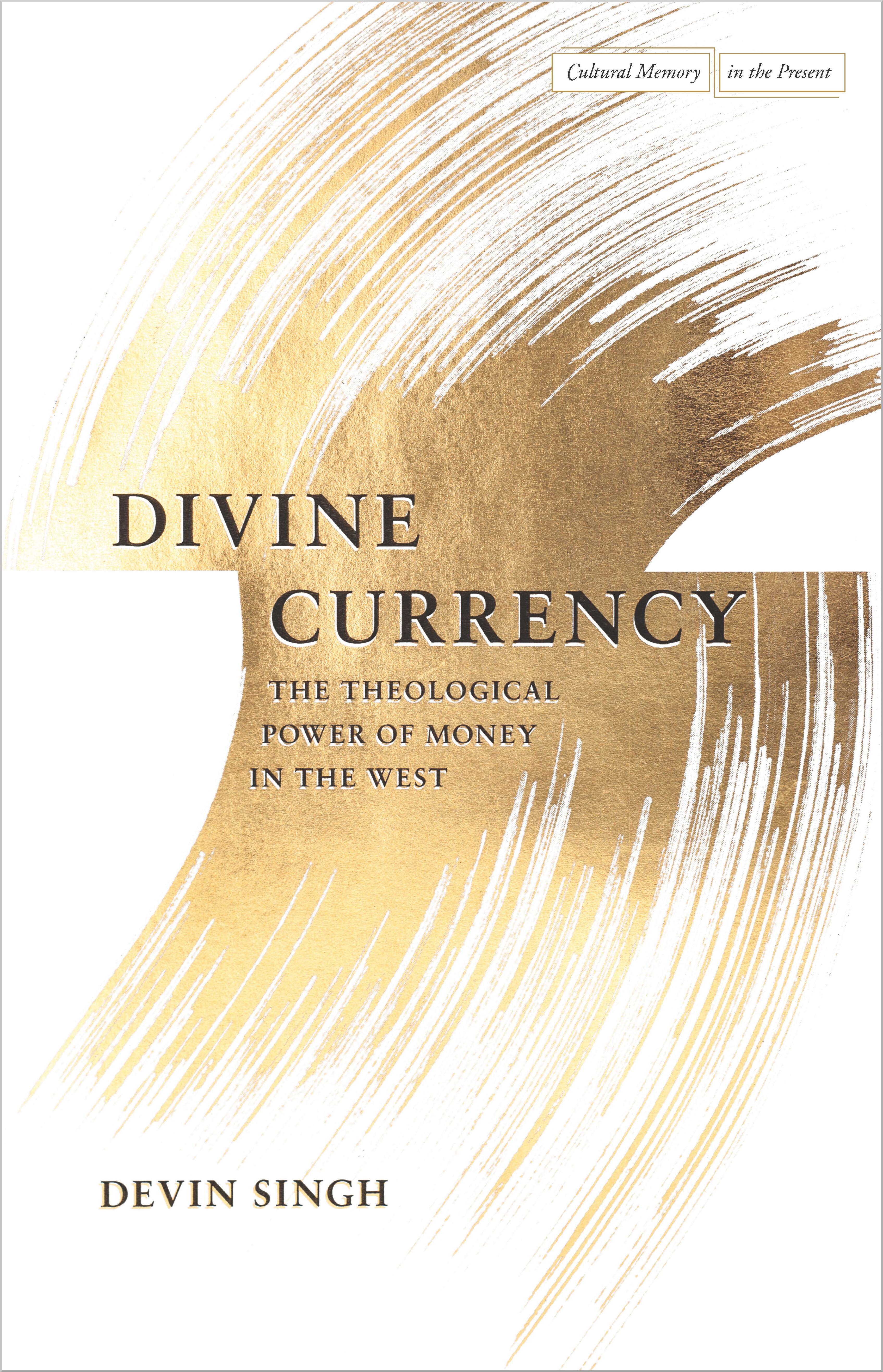
This book shows how early economic ideas structured Christian thought and society, giving crucial insight into why money holds such power in the West. Examining the religious and theological sources of money's power, it shows how early Christian thinkers borrowed ancient notions of money and economic exchange from the Roman Empire as a basis for their new theological arguments. Monetary metaphors and images, including the minting of coins and debt slavery, provided frameworks for theologians to explain what happens in salvation. God became an economic administrator, for instance, and Christ functioned as a currency to purchase humanity's freedom. Such ideas, in turn, provided models for pastors and Christian emperors as they oversaw both resources and people, which led to new economic conceptions of state administration of populations and conferred a godly aura on the use of money. Divine Currency argues that this longstanding association of money with divine activity has contributed over the centuries to money's ever increasing significance, justifying various forms of politics that manage citizens along the way. Devin Singh's account sheds unexpected light on why we live in a world where nothing seems immune from the price mechanism.
Maksa helposti kortilla, Klarnalla, Apple Paylla tai Google Paylla. Etkö ole tyytyväinen? Sinulla on aina 14 päivän palautusoikeus. Lue lisää ehdoistamme. Jos sinulla on kysyttävää, lähetä meille sähköpostia osoitteeseen hello@memmo.org.
Memmo tekee opiskelusta helpompaa – missä päin maailmaa ikinä oletkin. Meillä yhdistät kurssikirjat ja fiksut opiskelutyökalut yhteen paikkaan: tiivistelmät, visat, podcastit ja muistikortit. Ja sitten Ted, opiskelukaverisi, joka vastaa kaikkeen, mitä ikinä mietitkin. Yli 50 000 opiskelijaa opiskelee jo täällä – rakennettu auttamaan sinua oppimaan nopeammin ja stressaamaan vähemmän.