
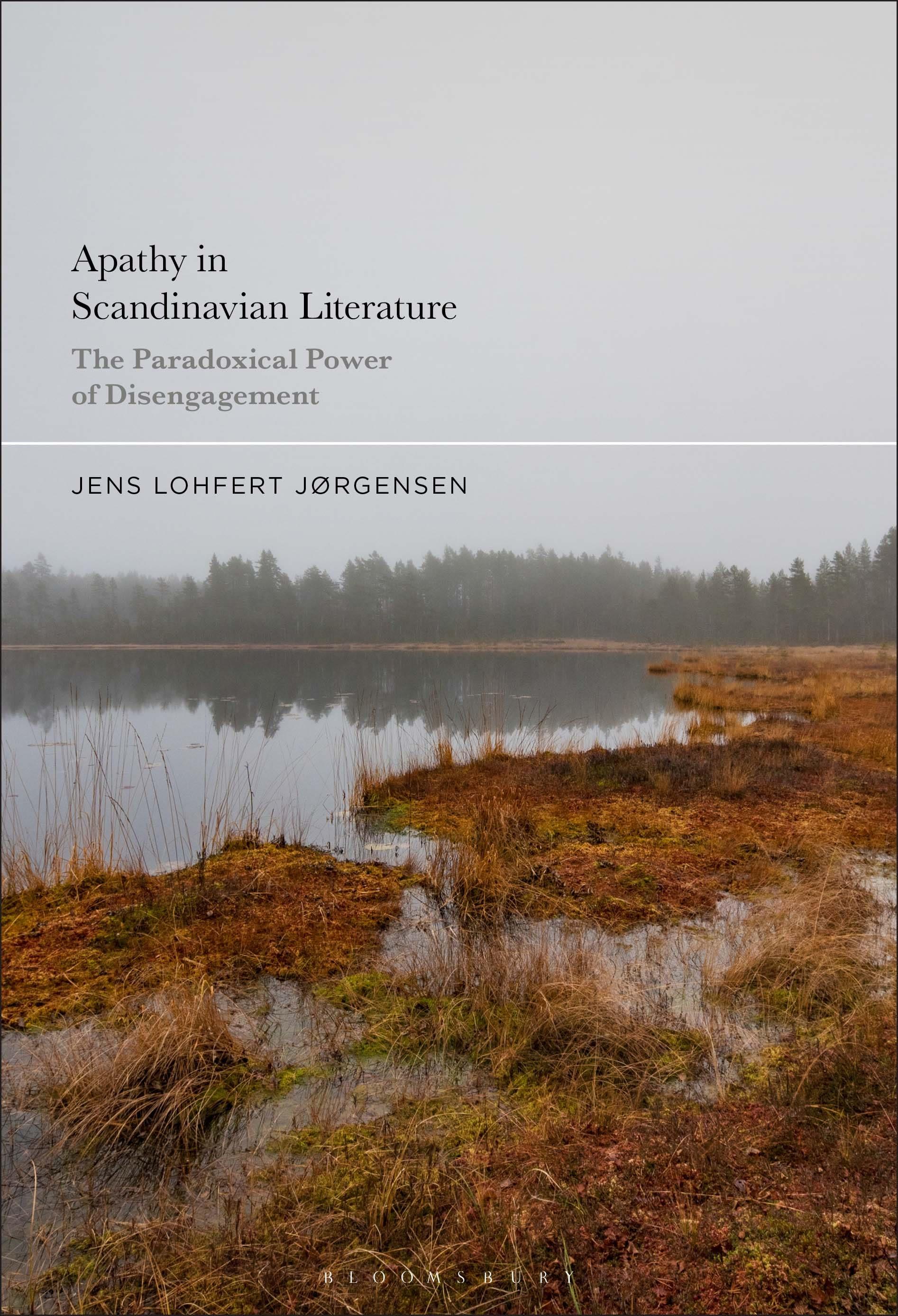
A thought-provoking and timely analysis of the historical and conceptual development of the notion of apathy in Scandinavian literature from the Renaissance to the present day.
Literature is an extensive archive of emotions, providing a privileged source for the study of them. Jens Lohfert Jørgensen uses this archive to analyze the development of apathy in Scandinavian literature, including in-depth discussion of the variety of forms it takes in contemporary texts, such as the paradoxical form of 'engaged disengagement'.
Although apathy is understood in unambiguously negative terms in the 21st century – as an absence of will power, emotion and engagement – ancient thinkers such as Epictetus and Seneca, advancing the Stoic theory of the passions, described apatheia as being actively and positively in command of one's emotions, in contrast to being manipulated by them. Situating analyses of apathy in the theoretical landscapes of affect studies and the history of emotions, Jørgensen reads apathy in relation to Scandinavian literary texts. This includes those concerned with passion, reason and decadence, as well as social concerns such as the welfare state and the very pressing issue of the climate crisis.
Apathy in Scandinavian Literature looks at three periods in particular – early modern, decadent and contemporary literature – to illuminate shifting contingencies in our understanding of apathy. By identifying five distinct forms of apathy, it nuances our understanding of an often-overlooked emotion that nevertheless has deep philosophical and psychological roots in Western culture.
Literature is an extensive archive of emotions, providing a privileged source for the study of them. Jens Lohfert Jørgensen uses this archive to analyze the development of apathy in Scandinavian literature, including in-depth discussion of the variety of forms it takes in contemporary texts, such as the paradoxical form of 'engaged disengagement'.
Although apathy is understood in unambiguously negative terms in the 21st century – as an absence of will power, emotion and engagement – ancient thinkers such as Epictetus and Seneca, advancing the Stoic theory of the passions, described apatheia as being actively and positively in command of one's emotions, in contrast to being manipulated by them. Situating analyses of apathy in the theoretical landscapes of affect studies and the history of emotions, Jørgensen reads apathy in relation to Scandinavian literary texts. This includes those concerned with passion, reason and decadence, as well as social concerns such as the welfare state and the very pressing issue of the climate crisis.
Apathy in Scandinavian Literature looks at three periods in particular – early modern, decadent and contemporary literature – to illuminate shifting contingencies in our understanding of apathy. By identifying five distinct forms of apathy, it nuances our understanding of an often-overlooked emotion that nevertheless has deep philosophical and psychological roots in Western culture.
Sivuja: 296
Kategoria: Litteraturvetenskap & Teori
e-ISBN: 9781501392771
Lähetyspaino: 1.2 kg
Toimitusaika: 1-2 päivää
Maksa helposti kortilla, Klarnalla, Apple Paylla tai Google Paylla. Etkö ole tyytyväinen? Sinulla on aina 14 päivän palautusoikeus. Lue lisää ehdoistamme. Jos sinulla on kysyttävää, lähetä meille sähköpostia osoitteeseen hello@memmo.org.
Memmo tekee opiskelusta helpompaa – missä päin maailmaa ikinä oletkin. Meillä yhdistät kurssikirjat ja fiksut opiskelutyökalut yhteen paikkaan: tiivistelmät, visat, podcastit ja muistikortit. Ja sitten Ted, opiskelukaverisi, joka vastaa kaikkeen, mitä ikinä mietitkin. Yli 50 000 opiskelijaa opiskelee jo täällä – rakennettu auttamaan sinua oppimaan nopeammin ja stressaamaan vähemmän.