
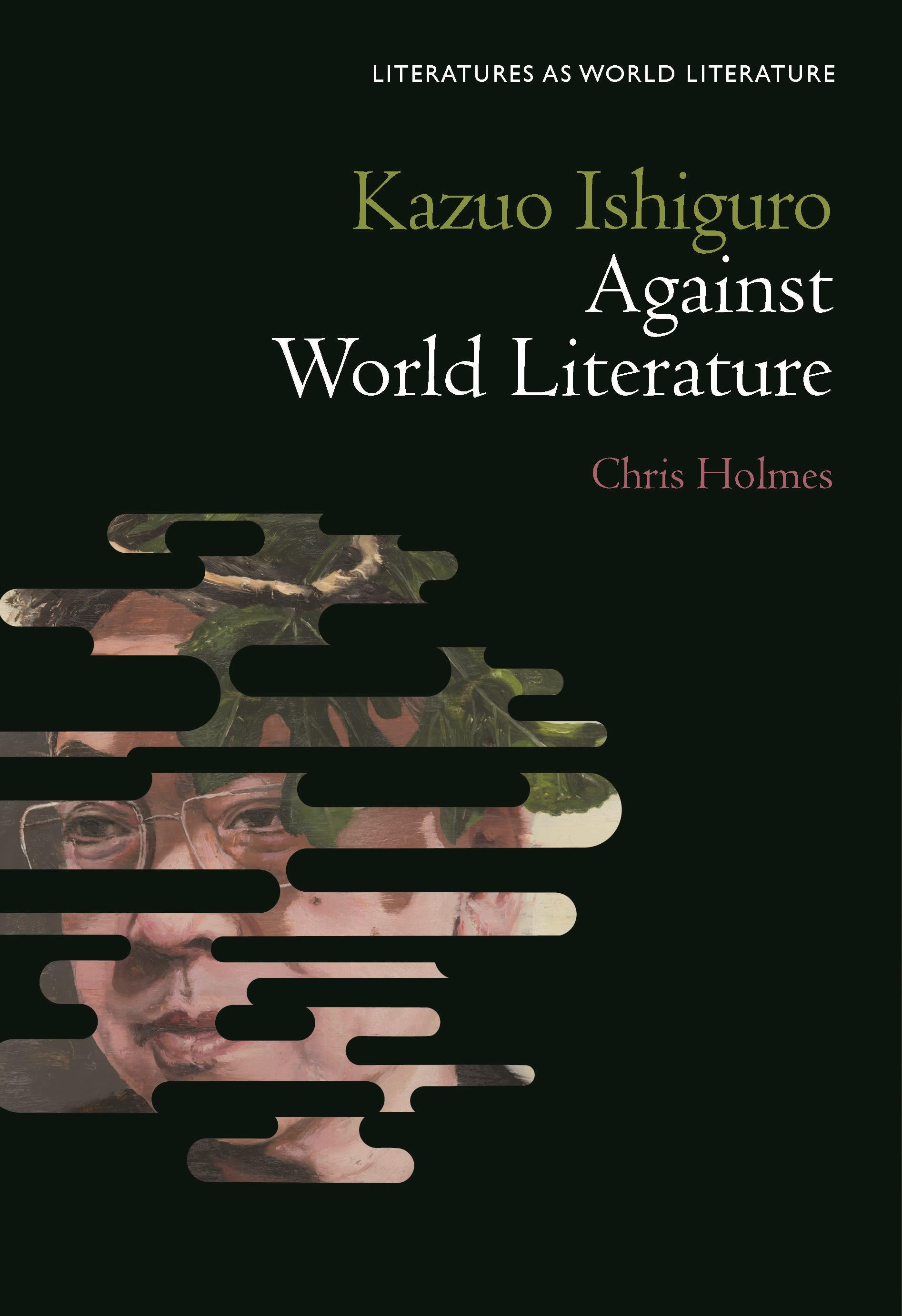
A study of how Kazuo Ishiguro's novels respond to and represent the world through characters that are profoundly limited in their understanding of the systems that bind them.
How has a writer known principally for his contained domestic novels come to represent the most dynamic elements of world literature? In Kazuo Ishiguro Against World Literature, Chris Holmes expands our understanding of how world literature engages with the most pressing crises of the 20th and 21st centuries by examining Ishiguro's fascination with characters who are profoundly constrained in their ability to understand global systems to which they are subject. Rather than following the established pattern of so-called global novels, which crisscross the planet exhibiting a knowing cosmopolitanism, Ishiguro's fictional engagement with the world comes principally in the form of characters who are cut off from the global systems that abuse them.
By examining the ways in which Ishiguro foregrounds the in-process thinking of those who fail to comprehend their place in the flow of politics, culture, and ideas, Holmes positions Ishiguro as the great chronicler of everyday lives, and as such, prepares a mode of reading world literature that questions the assumptions for how we live and think with others when each of us is deeply limited.
How has a writer known principally for his contained domestic novels come to represent the most dynamic elements of world literature? In Kazuo Ishiguro Against World Literature, Chris Holmes expands our understanding of how world literature engages with the most pressing crises of the 20th and 21st centuries by examining Ishiguro's fascination with characters who are profoundly constrained in their ability to understand global systems to which they are subject. Rather than following the established pattern of so-called global novels, which crisscross the planet exhibiting a knowing cosmopolitanism, Ishiguro's fictional engagement with the world comes principally in the form of characters who are cut off from the global systems that abuse them.
By examining the ways in which Ishiguro foregrounds the in-process thinking of those who fail to comprehend their place in the flow of politics, culture, and ideas, Holmes positions Ishiguro as the great chronicler of everyday lives, and as such, prepares a mode of reading world literature that questions the assumptions for how we live and think with others when each of us is deeply limited.
Sivuja: 192
Kategoria: Litteraturvetenskap & Teori
e-ISBN: 9781501388460
Lähetyspaino: 1.2 kg
Toimitusaika: 1-2 päivää
Maksa helposti kortilla, Klarnalla, Apple Paylla tai Google Paylla. Etkö ole tyytyväinen? Sinulla on aina 14 päivän palautusoikeus. Lue lisää ehdoistamme. Jos sinulla on kysyttävää, lähetä meille sähköpostia osoitteeseen hello@memmo.org.
Memmo tekee opiskelusta helpompaa – missä päin maailmaa ikinä oletkin. Meillä yhdistät kurssikirjat ja fiksut opiskelutyökalut yhteen paikkaan: tiivistelmät, visat, podcastit ja muistikortit. Ja sitten Ted, opiskelukaverisi, joka vastaa kaikkeen, mitä ikinä mietitkin. Yli 50 000 opiskelijaa opiskelee jo täällä – rakennettu auttamaan sinua oppimaan nopeammin ja stressaamaan vähemmän.