
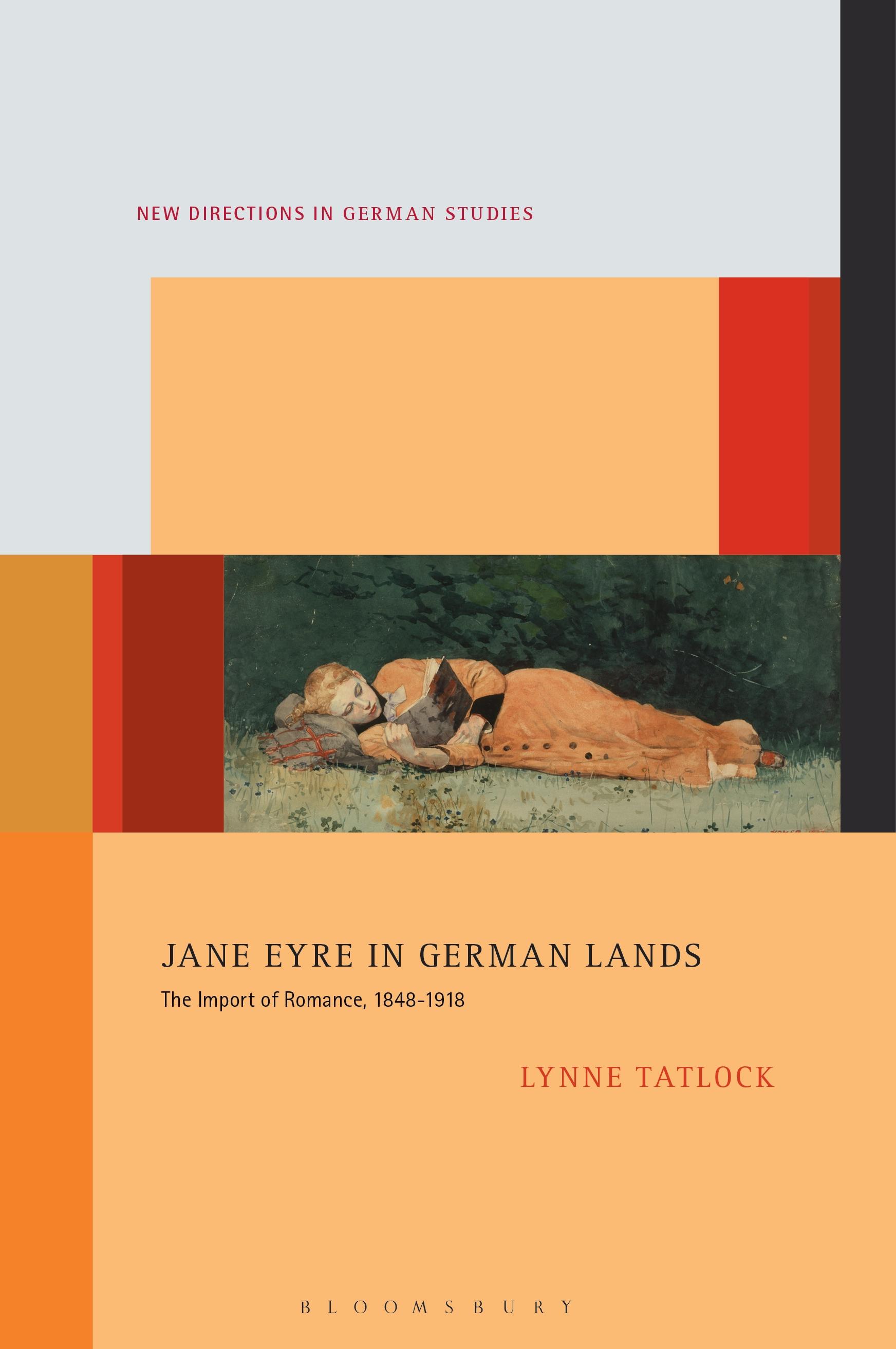
Lynne Tatlock examines the transmission, diffusion, and literary survival of Jane Eyre in the German-speaking territories and the significance and effects thereof, 1848-1918. Engaging with scholarship on the romance novel, she presents an historical case study of the generative power and protean nature of Brontë's new romance narrative in German translation, adaptation, and imitation as it involved multiple agents, from writers and playwrights to readers, publishers, illustrators, reviewers, editors, adaptors, and translators.
Jane Eyre in German Lands traces the ramifications in the paths of transfer that testify to widespread creative investment in romance as new ideas of women's freedom and equality topped the horizon and sought a home, especially in the middle classes. As Tatlock outlines, the multiple German instantiations of Brontë's novel-four translations, three abridgments, three adaptations for general readers, nine adaptations for younger readers, plays, farces, and particularly the fiction of the popular German writer E. Marlitt and its many adaptations-evince a struggle over its meaning and promise. Yet precisely this multiplicity (repetition, redundancy, and proliferation) combined with the romance narrative's intrinsic appeal in the decades between the March Revolutions and women's franchise enabled the cultural diffusion, impact, and long-term survival of Jane Eyre as German reading.
Though its focus on the circulation of texts across linguistic boundaries and intertwined literary markets and reading cultures, Jane Eyre in German Lands unsettles the national paradigm of literary history and makes a case for a fuller and inclusive account of the German literary field.
Jane Eyre in German Lands traces the ramifications in the paths of transfer that testify to widespread creative investment in romance as new ideas of women's freedom and equality topped the horizon and sought a home, especially in the middle classes. As Tatlock outlines, the multiple German instantiations of Brontë's novel-four translations, three abridgments, three adaptations for general readers, nine adaptations for younger readers, plays, farces, and particularly the fiction of the popular German writer E. Marlitt and its many adaptations-evince a struggle over its meaning and promise. Yet precisely this multiplicity (repetition, redundancy, and proliferation) combined with the romance narrative's intrinsic appeal in the decades between the March Revolutions and women's franchise enabled the cultural diffusion, impact, and long-term survival of Jane Eyre as German reading.
Though its focus on the circulation of texts across linguistic boundaries and intertwined literary markets and reading cultures, Jane Eyre in German Lands unsettles the national paradigm of literary history and makes a case for a fuller and inclusive account of the German literary field.
Sivuja: 288
Kategoria: Litteraturvetenskap & Teori
e-ISBN: 9781501382369
Lähetyspaino: 1.2 kg
Toimitusaika: 1-2 päivää
Maksa helposti kortilla, Klarnalla, Apple Paylla tai Google Paylla. Etkö ole tyytyväinen? Sinulla on aina 14 päivän palautusoikeus. Lue lisää ehdoistamme. Jos sinulla on kysyttävää, lähetä meille sähköpostia osoitteeseen hello@memmo.org.
Memmo tekee opiskelusta helpompaa – missä päin maailmaa ikinä oletkin. Meillä yhdistät kurssikirjat ja fiksut opiskelutyökalut yhteen paikkaan: tiivistelmät, visat, podcastit ja muistikortit. Ja sitten Ted, opiskelukaverisi, joka vastaa kaikkeen, mitä ikinä mietitkin. Yli 50 000 opiskelijaa opiskelee jo täällä – rakennettu auttamaan sinua oppimaan nopeammin ja stressaamaan vähemmän.