
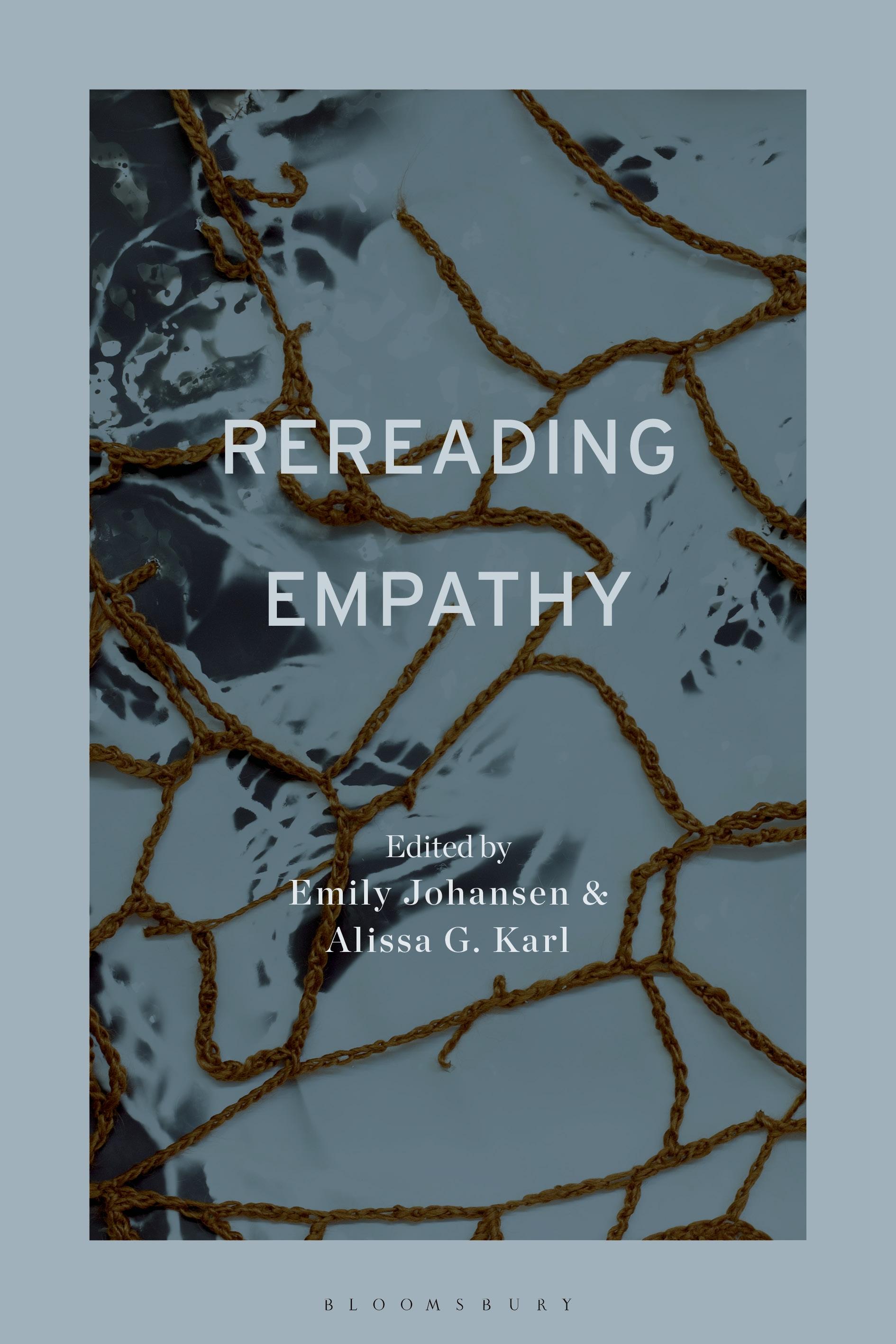
Over the last few decades and from across a spectrum of centrist political thought, a variety of academic disciplines, and numerous public intellectuals, the claim has been that we need to empathize more with marginalized people as a way to alleviate social inequalities. If we all had more skill with empathy, so the claim goes, we would all be better citizens. But what does it mean to empathize with others? How do we develop this skill? And what does it offer that older models of solidarity don't? Why empathy-and why now?
Rereading Empathy takes up these questions, examining the uses to which calls for empathy are put in the face of ever expanding economic and social precarity. The contributors draw on a variety of historical and contemporary literary and cultural archives to illustrate the work that empathy is supposed to enable-and to query alternative models of building collective futures.
Rereading Empathy takes up these questions, examining the uses to which calls for empathy are put in the face of ever expanding economic and social precarity. The contributors draw on a variety of historical and contemporary literary and cultural archives to illustrate the work that empathy is supposed to enable-and to query alternative models of building collective futures.
Maksa helposti kortilla, Klarnalla, Apple Paylla tai Google Paylla. Etkö ole tyytyväinen? Sinulla on aina 14 päivän palautusoikeus. Lue lisää ehdoistamme. Jos sinulla on kysyttävää, lähetä meille sähköpostia osoitteeseen hello@memmo.org.
Memmo tekee opiskelusta helpompaa – missä päin maailmaa ikinä oletkin. Meillä yhdistät kurssikirjat ja fiksut opiskelutyökalut yhteen paikkaan: tiivistelmät, visat, podcastit ja muistikortit. Ja sitten Ted, opiskelukaverisi, joka vastaa kaikkeen, mitä ikinä mietitkin. Yli 50 000 opiskelijaa opiskelee jo täällä – rakennettu auttamaan sinua oppimaan nopeammin ja stressaamaan vähemmän.