
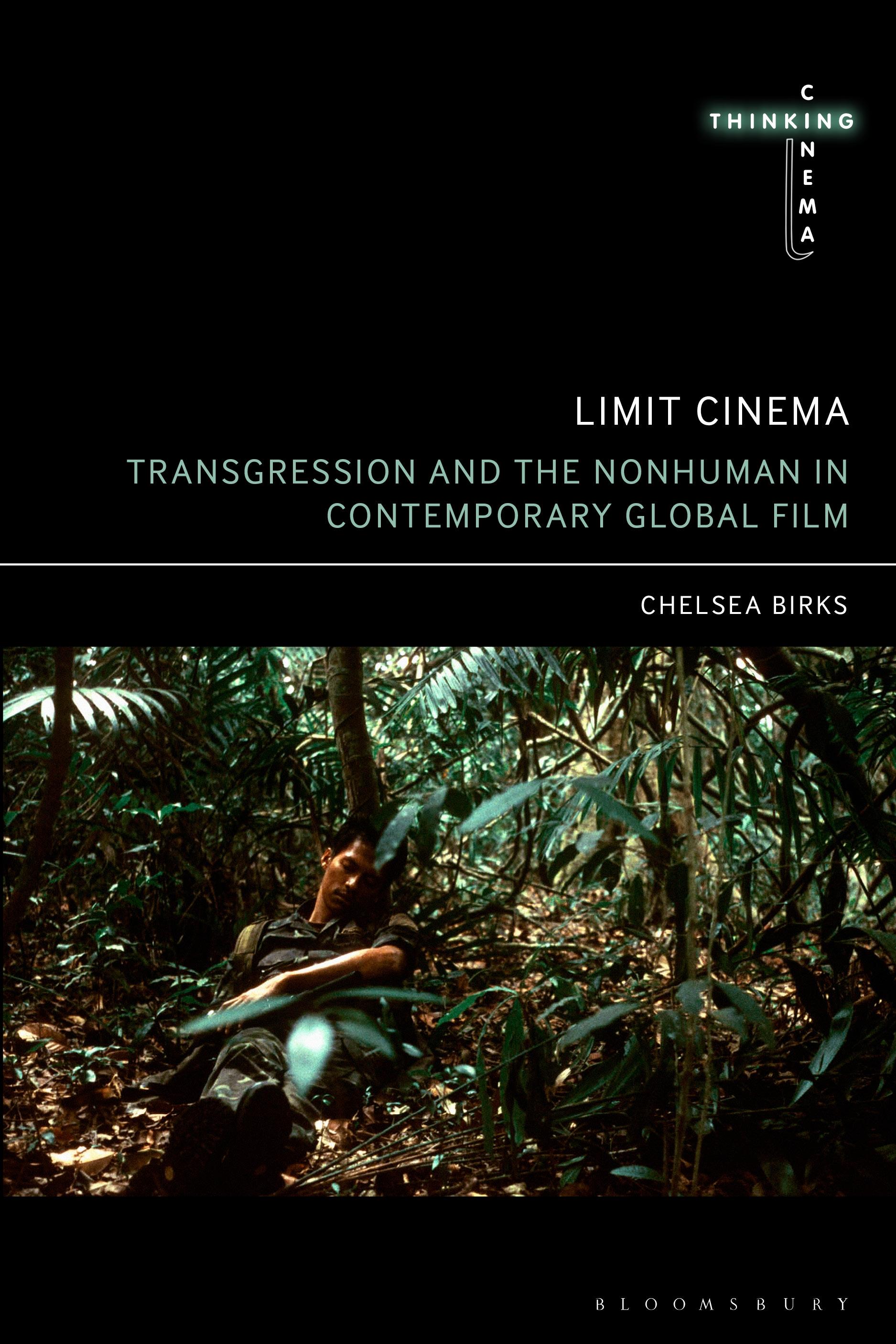
WINNER of the Society for Cinema and Media Studies (SCMS) Best First Book Award 2023
Limit Cinema explores how contemporary global cinema represents the relationship between humans and nature. During the 21st century this relationship has become increasingly fraught due to proliferating social and environmental crises; recent films from Lars von Trier's Melancholia (2011) to Apichatpong Weerasethakul's Uncle Boonmee Who Can Recall His Past Lives (2010) address these problems by reflecting or renegotiating the terms of our engagement with the natural world. In this spirit, this book proposes a new film philosophy for the Anthropocene. It argues that certain contemporary films attempt to transgress the limits of human experience, and that such 'limit cinema' has the potential to help us rethink our relationship with nature. Posing a new and timely alternative to the process philosophies that have become orthodox in the fields of film philosophy and ecocriticism, Limit Cinema revitalizes the philosophy of Georges Bataille and puts forward a new reading of his notion of transgression in the context of our current environmental crisis.
To that end, Limit Cinema brings Bataille into conversation with more recent discussions in the humanities that seek less anthropocentric modes of thought, including posthumanism, speculative realism, and other theories associated with the nonhuman turn. The problems at stake are global in scale, and the book therefore engages with cinema from a range of national and cultural contexts. From Ben Wheatley's psychological thrillers to Nettie Wild's eco-documentaries, limit cinema pushes against the boundaries of thought and encourages an ethical engagement with perspectives beyond the human.
Limit Cinema explores how contemporary global cinema represents the relationship between humans and nature. During the 21st century this relationship has become increasingly fraught due to proliferating social and environmental crises; recent films from Lars von Trier's Melancholia (2011) to Apichatpong Weerasethakul's Uncle Boonmee Who Can Recall His Past Lives (2010) address these problems by reflecting or renegotiating the terms of our engagement with the natural world. In this spirit, this book proposes a new film philosophy for the Anthropocene. It argues that certain contemporary films attempt to transgress the limits of human experience, and that such 'limit cinema' has the potential to help us rethink our relationship with nature. Posing a new and timely alternative to the process philosophies that have become orthodox in the fields of film philosophy and ecocriticism, Limit Cinema revitalizes the philosophy of Georges Bataille and puts forward a new reading of his notion of transgression in the context of our current environmental crisis.
To that end, Limit Cinema brings Bataille into conversation with more recent discussions in the humanities that seek less anthropocentric modes of thought, including posthumanism, speculative realism, and other theories associated with the nonhuman turn. The problems at stake are global in scale, and the book therefore engages with cinema from a range of national and cultural contexts. From Ben Wheatley's psychological thrillers to Nettie Wild's eco-documentaries, limit cinema pushes against the boundaries of thought and encourages an ethical engagement with perspectives beyond the human.
Sivuja: 224
Kategoria: Film- & Medievetenskap
e-ISBN: 9781501352874
Lähetyspaino: 1.2 kg
Toimitusaika: 1-2 päivää
Maksa helposti kortilla, Klarnalla, Apple Paylla tai Google Paylla. Etkö ole tyytyväinen? Sinulla on aina 14 päivän palautusoikeus. Lue lisää ehdoistamme. Jos sinulla on kysyttävää, lähetä meille sähköpostia osoitteeseen hello@memmo.org.
Memmo tekee opiskelusta helpompaa – missä päin maailmaa ikinä oletkin. Meillä yhdistät kurssikirjat ja fiksut opiskelutyökalut yhteen paikkaan: tiivistelmät, visat, podcastit ja muistikortit. Ja sitten Ted, opiskelukaverisi, joka vastaa kaikkeen, mitä ikinä mietitkin. Yli 50 000 opiskelijaa opiskelee jo täällä – rakennettu auttamaan sinua oppimaan nopeammin ja stressaamaan vähemmän.