
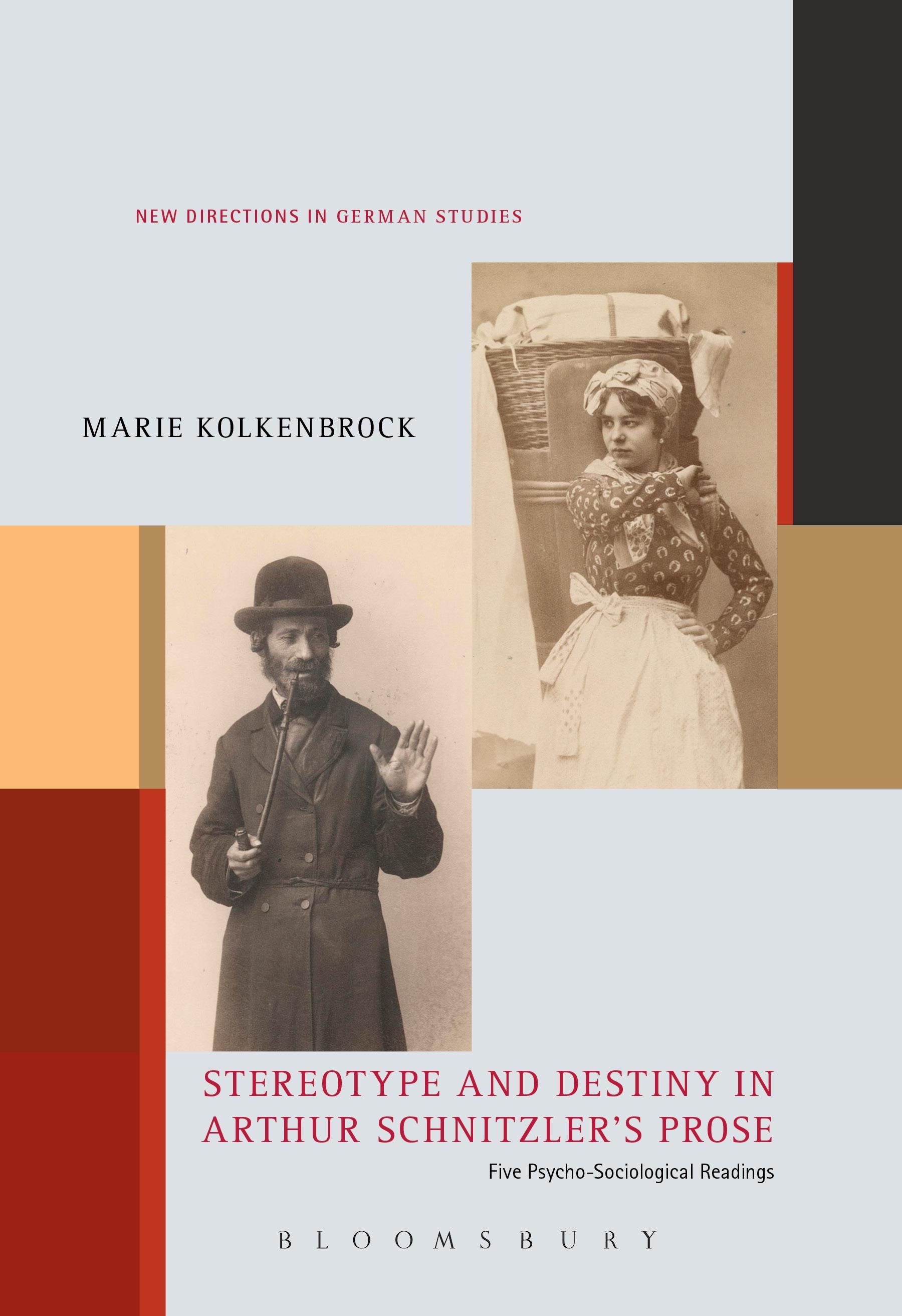
What was the function of the invocation of destiny in the increasingly secularized era of turn-of-the-century Vienna? By exploring this question, Stereotype and Destiny in Arthur Schnitzler's Prose offers a new psycho-sociological perspective on the narrative works of Arthur Schnitzler.
While Vienna 1900 as a site of crisis has been established in the scholarship, this book focuses on the presence of forces that deny the existence of said crisis and work to contain its subversive and critical potential. Stereotype and destiny emerge in Schnitzler's prose texts as a form of these counter-critical forces. In her readings, Kolkenbrock shows that stereotype and destiny serve as an interrelated coping mechanism for a central psychological conflict of modernity: the paradoxical need to be recognized as 'normal' and 'special' at the same time. While, through the complex of "stereotype and destiny," Schnitzler's prose addresses central modern questions of identity and subjecthood, Kolkenbrock's close readings also reveal how the texts inscribe themselves aesthetically in the literary tradition of Romanticism and as such offer crucial sources for understanding Schnitzler's representations of embattled subjecthood within broader social and aesthetic traditions.
While Vienna 1900 as a site of crisis has been established in the scholarship, this book focuses on the presence of forces that deny the existence of said crisis and work to contain its subversive and critical potential. Stereotype and destiny emerge in Schnitzler's prose texts as a form of these counter-critical forces. In her readings, Kolkenbrock shows that stereotype and destiny serve as an interrelated coping mechanism for a central psychological conflict of modernity: the paradoxical need to be recognized as 'normal' and 'special' at the same time. While, through the complex of "stereotype and destiny," Schnitzler's prose addresses central modern questions of identity and subjecthood, Kolkenbrock's close readings also reveal how the texts inscribe themselves aesthetically in the literary tradition of Romanticism and as such offer crucial sources for understanding Schnitzler's representations of embattled subjecthood within broader social and aesthetic traditions.
Sivuja: 280
Kategoria: Litteraturvetenskap & Teori
e-ISBN: 9781501330971
Lähetyspaino: 1.2 kg
Toimitusaika: 1-2 päivää
Maksa helposti kortilla, Klarnalla, Apple Paylla tai Google Paylla. Etkö ole tyytyväinen? Sinulla on aina 14 päivän palautusoikeus. Lue lisää ehdoistamme. Jos sinulla on kysyttävää, lähetä meille sähköpostia osoitteeseen hello@memmo.org.
Memmo tekee opiskelusta helpompaa – missä päin maailmaa ikinä oletkin. Meillä yhdistät kurssikirjat ja fiksut opiskelutyökalut yhteen paikkaan: tiivistelmät, visat, podcastit ja muistikortit. Ja sitten Ted, opiskelukaverisi, joka vastaa kaikkeen, mitä ikinä mietitkin. Yli 50 000 opiskelijaa opiskelee jo täällä – rakennettu auttamaan sinua oppimaan nopeammin ja stressaamaan vähemmän.