
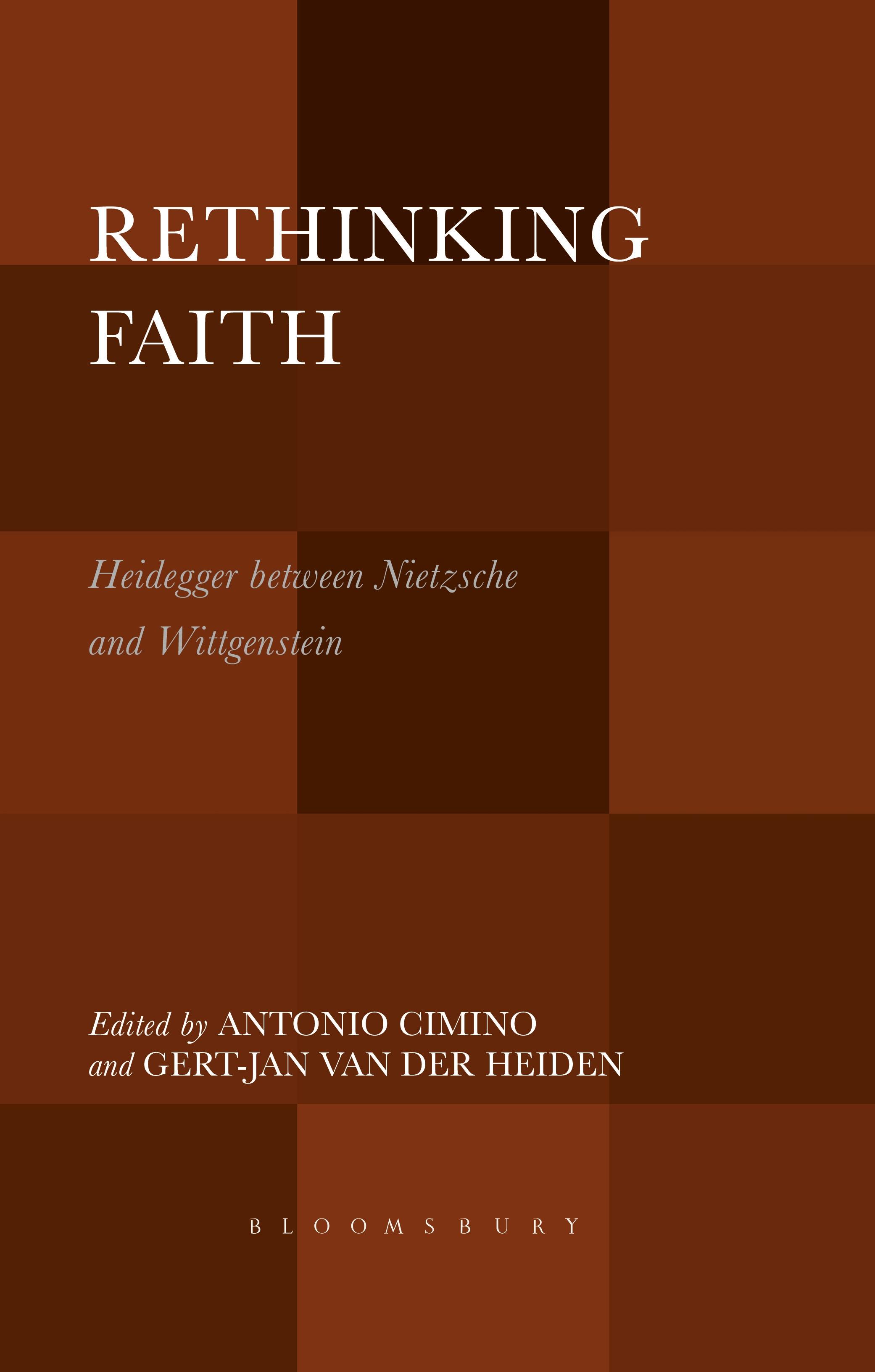
Heidegger has often been considered as the proponent of the end of metaphysics in the post-Hegelian philosophy, due to his persistent attempts to overcome the onto-theological framework of traditional metaphysics. Yet, this dismissal of metaphysical, theological, and religious motives is deeply ambiguous since new forms of metaphysical and religious experience re-emerge in his philosophical works. Heidegger shares this ambiguous relation to the notions of faith and religion with authors such as Nietzsche and Wittgenstein whose works are also marked by a critique of metaphysics and by a characteristic rethinking of the role of faith and religion. In fact, all three still remain, among other things, reference points for contemporary philosophical debates relating to the phenomenon of religion and faith. Rethinking Faith explores how the phenomena of religion and faith are present in the works of Heidegger, Nietzsche, and Wittgenstein, and how these phenomena are brought into play in their discussion of the classical metaphysical motives they criticize.
Maksa helposti kortilla, Klarnalla, Apple Paylla tai Google Paylla. Etkö ole tyytyväinen? Sinulla on aina 14 päivän palautusoikeus. Lue lisää ehdoistamme. Jos sinulla on kysyttävää, lähetä meille sähköpostia osoitteeseen hello@memmo.org.
Memmo tekee opiskelusta helpompaa – missä päin maailmaa ikinä oletkin. Meillä yhdistät kurssikirjat ja fiksut opiskelutyökalut yhteen paikkaan: tiivistelmät, visat, podcastit ja muistikortit. Ja sitten Ted, opiskelukaverisi, joka vastaa kaikkeen, mitä ikinä mietitkin. Yli 50 000 opiskelijaa opiskelee jo täällä – rakennettu auttamaan sinua oppimaan nopeammin ja stressaamaan vähemmän.