
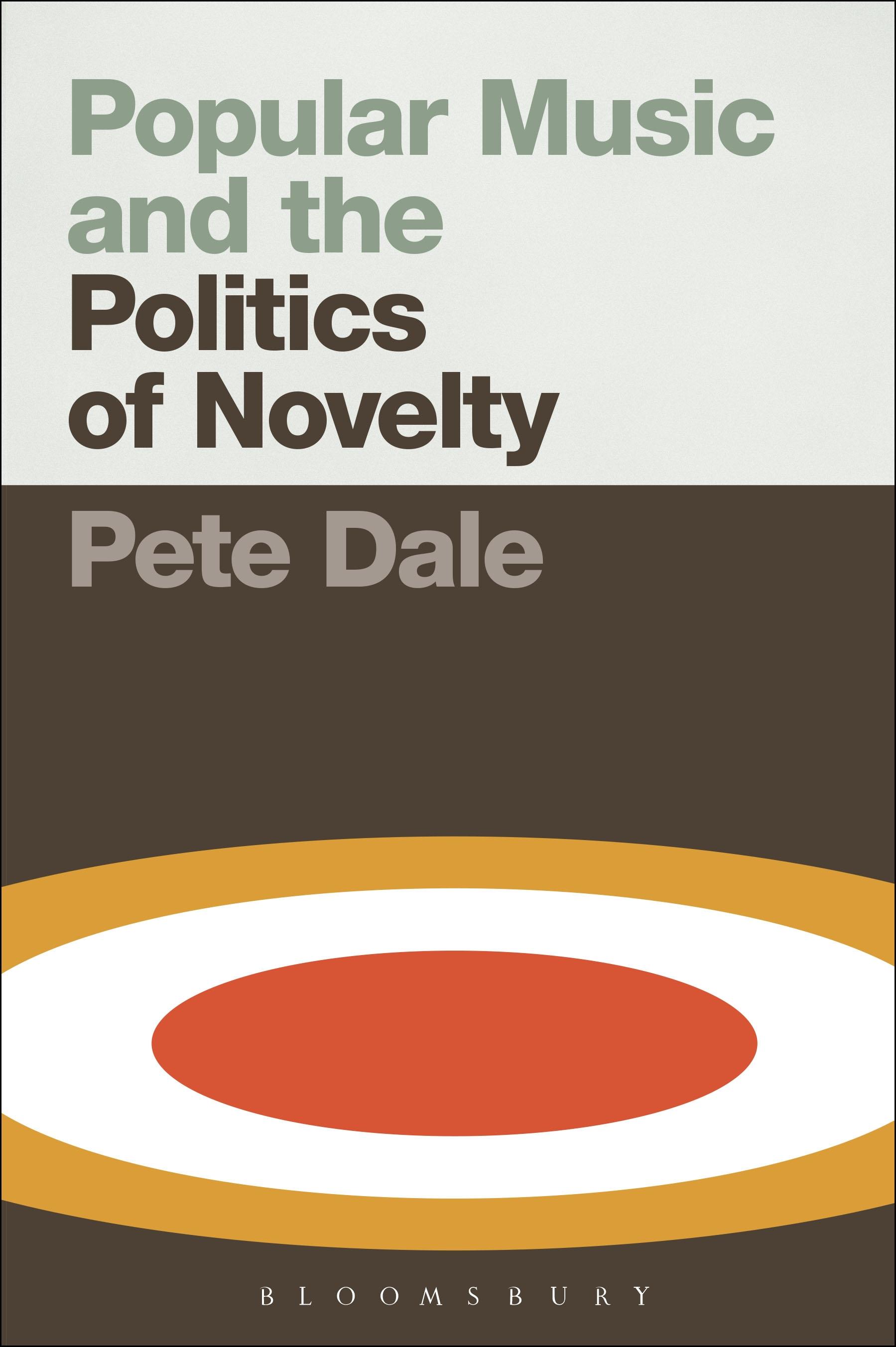
Popular music, today, has supposedly collapsed into a 'retromania' which, according to leading critic Simon Reynolds, has brought a 'slow and steady fading of the artistic imperative to be original.' Meanwhile, in the estimation of philosopher Alain Badiou, a significant political event will always require 'the dictatorial power of a creation ex nihilo'. Everywhere, it seems, at least amongst commentators of a certain age and type, pessimism prevails with regards to the predominant aesthetic preferences of the twenty first century: popular music, supposedly, is in a rut.
Yet when, if ever, did the political engagement kindled by popular music amount to more than it does today? The sixties? The punk explosion of the late 1970s? Despite an on-going fixation upon these periods in much rock journalism and academic writing, this book demonstrates that the utilisation of popular music to promote political causes, on the one hand, and the expression of dissent through the medium of 'popular song', on the other hand, remain widely in practice today.
This is not to argue, however, for complacency with regards to the need for expressions of political dissent through popular culture. Rather, the book looks carefully at actual usages of popular music in political processes, as well as expressions of political feeling through song, and argues that there is much to encourage us to think that the demand for radical change remains in circulation. The question is, though, how necessary is it for politically-motivated popular music to offer aesthetic novelty?
Yet when, if ever, did the political engagement kindled by popular music amount to more than it does today? The sixties? The punk explosion of the late 1970s? Despite an on-going fixation upon these periods in much rock journalism and academic writing, this book demonstrates that the utilisation of popular music to promote political causes, on the one hand, and the expression of dissent through the medium of 'popular song', on the other hand, remain widely in practice today.
This is not to argue, however, for complacency with regards to the need for expressions of political dissent through popular culture. Rather, the book looks carefully at actual usages of popular music in political processes, as well as expressions of political feeling through song, and argues that there is much to encourage us to think that the demand for radical change remains in circulation. The question is, though, how necessary is it for politically-motivated popular music to offer aesthetic novelty?
Sivuja: 224
Kategoria: Musikvetenskap
e-ISBN: 9781501307058
Lähetyspaino: 1.2 kg
Toimitusaika: 1-2 päivää
Maksa helposti kortilla, Klarnalla, Apple Paylla tai Google Paylla. Etkö ole tyytyväinen? Sinulla on aina 14 päivän palautusoikeus. Lue lisää ehdoistamme. Jos sinulla on kysyttävää, lähetä meille sähköpostia osoitteeseen hello@memmo.org.
Memmo tekee opiskelusta helpompaa – missä päin maailmaa ikinä oletkin. Meillä yhdistät kurssikirjat ja fiksut opiskelutyökalut yhteen paikkaan: tiivistelmät, visat, podcastit ja muistikortit. Ja sitten Ted, opiskelukaverisi, joka vastaa kaikkeen, mitä ikinä mietitkin. Yli 50 000 opiskelijaa opiskelee jo täällä – rakennettu auttamaan sinua oppimaan nopeammin ja stressaamaan vähemmän.