
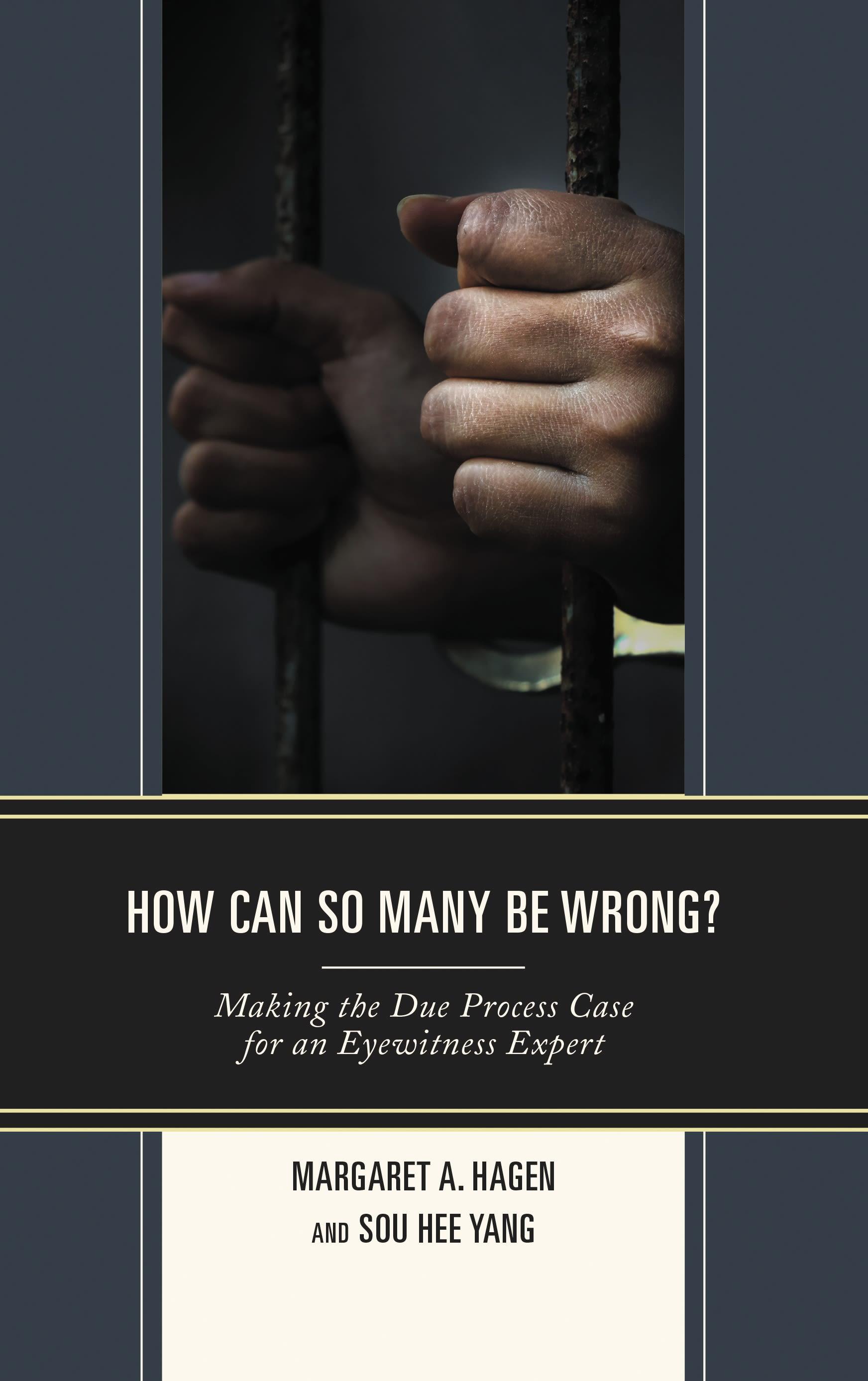
Of the 347 U.S. false criminal convictions overturned so far through DNA testing, 73 percent were based on erroneous eyewitness testimony. How could so many eyewitnesses be wrong? This book answers this question. The analysis of the U.S. Supreme Court eyewitness cases shows that most of the Court’s holdings were likely in error. The Court—like the judges and juries in the courts below—greatly overestimated the reliability of eyewitnesses against the defendants and decided their convictions based on unsound evidence. The facts of the cases and personalities of the defendants are engaging and compelling. An expert is needed to inform the judge and the jury of the circumstances to consider when weighing the testimony of the witness against the facts of the case. It is a clear violation of Due Process to deny the defendant the provision of an expert witness in all cases where the eyewitness testimony lacks corroboration. Research assessing both cross-examination and jury instructions makes it abundantly clear that neither can effectively provide courts with the counterintuitive information necessary to evaluate eyewitness reliability: denial of an expert is denial of Due Process.
Maksa helposti kortilla, Klarnalla, Apple Paylla tai Google Paylla. Etkö ole tyytyväinen? Sinulla on aina 14 päivän palautusoikeus. Lue lisää ehdoistamme. Jos sinulla on kysyttävää, lähetä meille sähköpostia osoitteeseen hello@memmo.org.
Memmo tekee opiskelusta helpompaa – missä päin maailmaa ikinä oletkin. Meillä yhdistät kurssikirjat ja fiksut opiskelutyökalut yhteen paikkaan: tiivistelmät, visat, podcastit ja muistikortit. Ja sitten Ted, opiskelukaverisi, joka vastaa kaikkeen, mitä ikinä mietitkin. Yli 50 000 opiskelijaa opiskelee jo täällä – rakennettu auttamaan sinua oppimaan nopeammin ja stressaamaan vähemmän.