
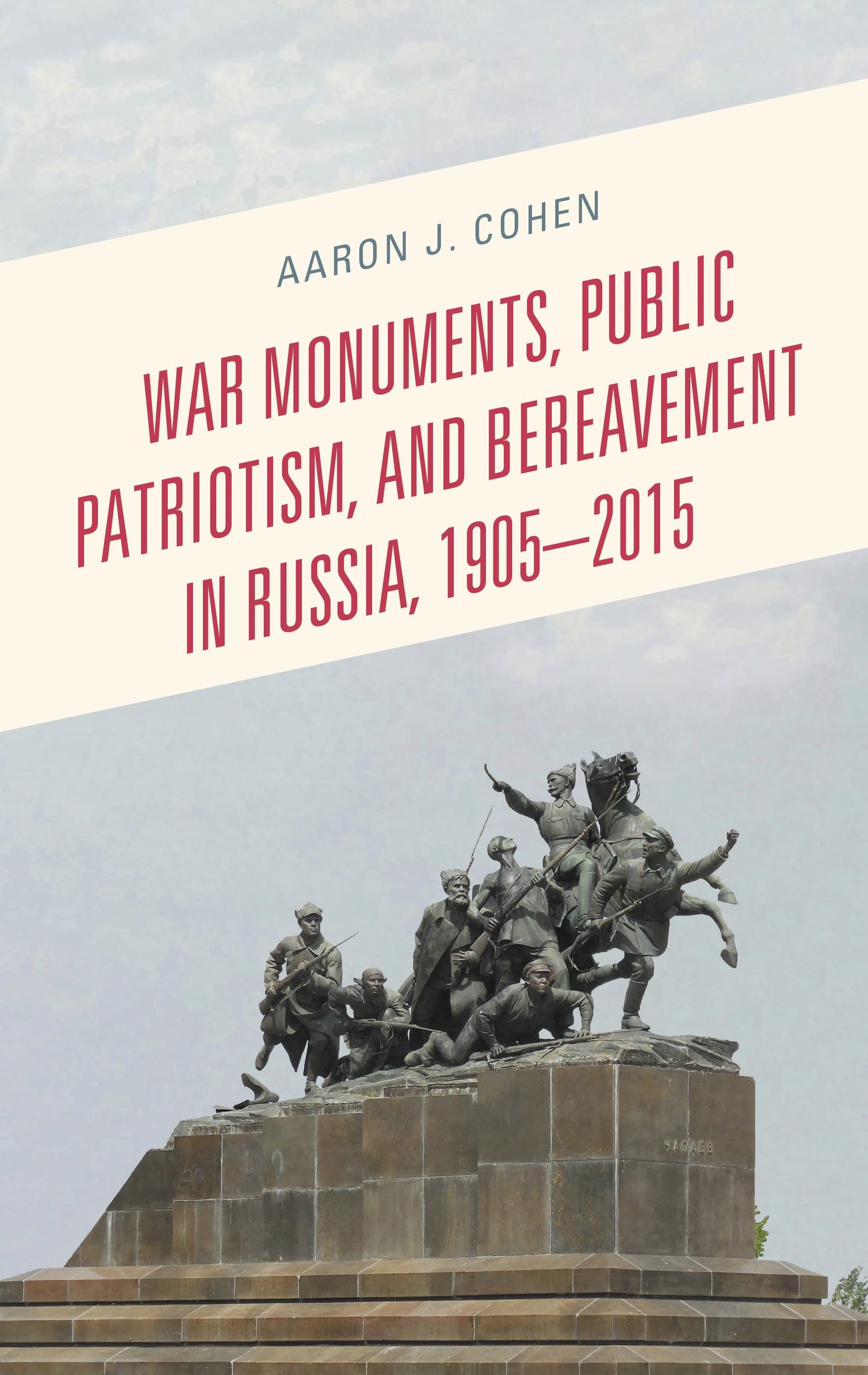
This study analyzes how public bereavement became cemented into the broad geography of Russian culture with the appearance of experiential and local memorials in the 1960s after a half century of instability, contestation, and absence. The author shows how monument builders responded to a need from the population to share an accessible war experience apart from the exclusive Bolshevik memorial culture. He argues that this development of war commemoration has amplified the role of war hero memorialization as an anchor of public stability and social solidarity in Putin’s Russia, where there is little consensus about the past, present, or future.
Maksa helposti kortilla, Klarnalla, Apple Paylla tai Google Paylla. Etkö ole tyytyväinen? Sinulla on aina 14 päivän palautusoikeus. Lue lisää ehdoistamme. Jos sinulla on kysyttävää, lähetä meille sähköpostia osoitteeseen hello@memmo.org.
Memmo tekee opiskelusta helpompaa – missä päin maailmaa ikinä oletkin. Meillä yhdistät kurssikirjat ja fiksut opiskelutyökalut yhteen paikkaan: tiivistelmät, visat, podcastit ja muistikortit. Ja sitten Ted, opiskelukaverisi, joka vastaa kaikkeen, mitä ikinä mietitkin. Yli 50 000 opiskelijaa opiskelee jo täällä – rakennettu auttamaan sinua oppimaan nopeammin ja stressaamaan vähemmän.